
Introduction
Fasting has been used for thousands of years by every culture as a natural means of renewal. From animals that instinctively stop eating when sick to humans seeking spiritual clarity, fasting allows the body to rest, cleanse, and rebuild.
In Natural Hygiene, fasting is not a treatment or cure — it’s a removal of interference. When the body no longer has to digest food, it redirects that same energy toward detoxification and repair.
What Happens During a Fast
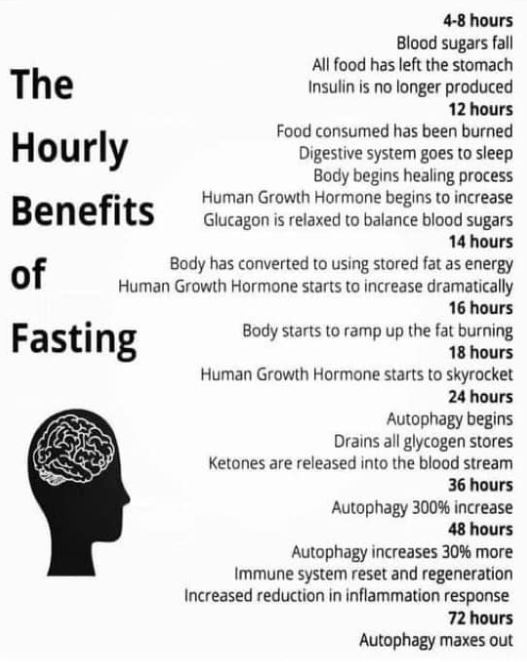
When digestion pauses, the body switches into a state of internal housekeeping known as autolysis. Damaged cells, waste, and stored toxins are broken down and expelled. The bloodstream is purified, the lymph system drains, and vital organs regain efficiency.
Energy that was once used for digestion now fuels healing.
This is why many people report sharper thinking, lighter moods, and improved skin after fasting — the inner environment is being renewed.
The Healing Crisis Explained
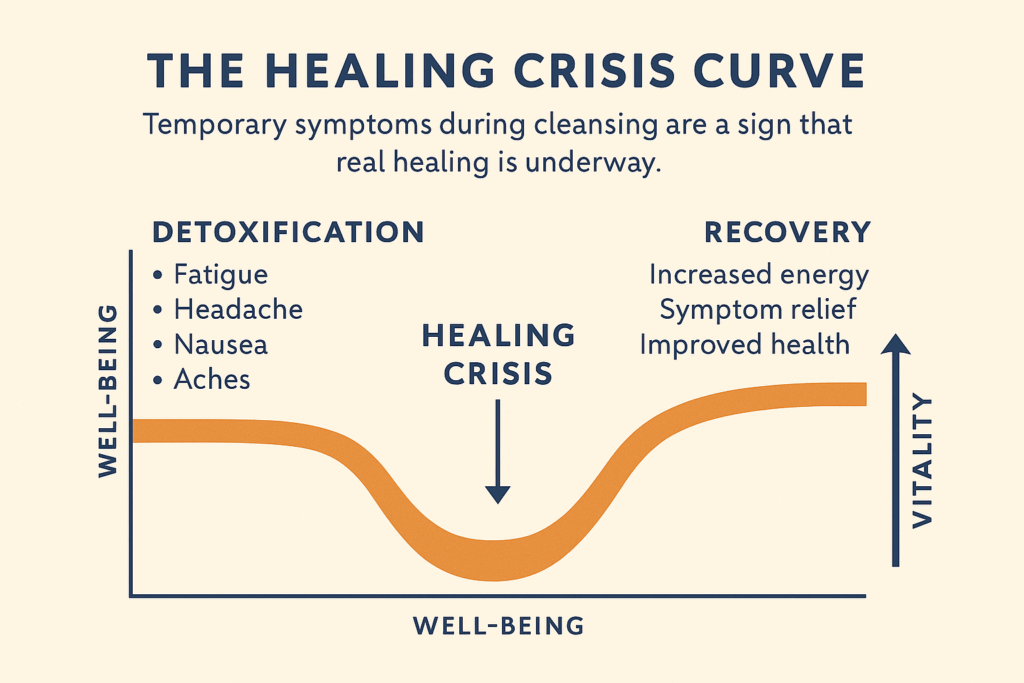
As the body begins to cleanse, old toxins and waste products are released into circulation for removal. During this process, temporary symptoms can arise — a healing crisis.
Conventional medicine misinterprets these reactions as illness or “detox gone wrong.” But from the Natural Hygiene perspective, these are the signs of real healing.
Common healing crisis symptoms may include:
- Headache, fatigue, or body aches
- Skin eruptions, mucus, or temporary odours
- Emotional release or vivid dreams
- Fever, nausea, or changes in bowel activity
These are the body’s natural elimination channels doing their job. The discomfort passes when the cleansing is complete.
Why the Crisis Happens
The body stores uneliminated waste in fat tissue, joints, and organs during times of excess. When fasting begins, that waste is finally mobilised. The bloodstream becomes temporarily more toxic before purification is complete.
This short phase can feel unpleasant, but it is essential. Just as a room becomes dustier while cleaning, the body may feel worse before it feels better.
Rest — The Forgotten Medicine
Fasting without rest is incomplete. The body cannot repair itself while energy is spent on activity, work, or stress. True fasting requires not just abstinence from food, but also from stimulation.
During a fast, the mind and emotions must also fast — from conflict, from busyness, from distraction. This inner stillness is what allows regeneration to occur at the deepest level.
Stages of Cleansing
Each fast unfolds differently, but the general pattern follows the seven stages of disease in reverse — from degeneration back toward vitality.
- Inflammation subsides.
- The bloodstream clears.
- Energy returns to the organs.
- Clarity replaces fog.
Short fasts (1–3 days) begin the process; longer fasts (5–10 days or more) allow deeper reconstruction.
Breaking the Fast Correctly
How a fast ends determines its success. The digestive system, having rested, must be reawakened gently.
Guidelines for breaking a fast:
- Begin with juicy fruits or fresh vegetable juices.
- Eat slowly, in small amounts.
- Avoid heavy foods, fats, or cooked meals for several days.
- Continue to rest and observe the body’s responses.
Breaking a fast too quickly can shock the system and reverse the benefits gained.
Who Should Fast and When
Fasting is nature’s universal healing tool — but it must be done with understanding. Those with chronic fatigue, emotional strain, or degenerative conditions benefit most when guided by an experienced practitioner who can assess readiness and ensure proper rest.
Natural Hygiene teaches:
“When in doubt, fast. When hungry, eat. When tired, rest.”
The wisdom lies in knowing which of these the body is asking for.
Healing Without Fear
The body is not punishing you during a healing crisis — it’s freeing you.
Each symptom that arises is part of the process of reclaiming vitality. Suppression halts healing; trust and rest complete it.
When you stop fighting your symptoms, you begin working with the intelligence of life itself.