
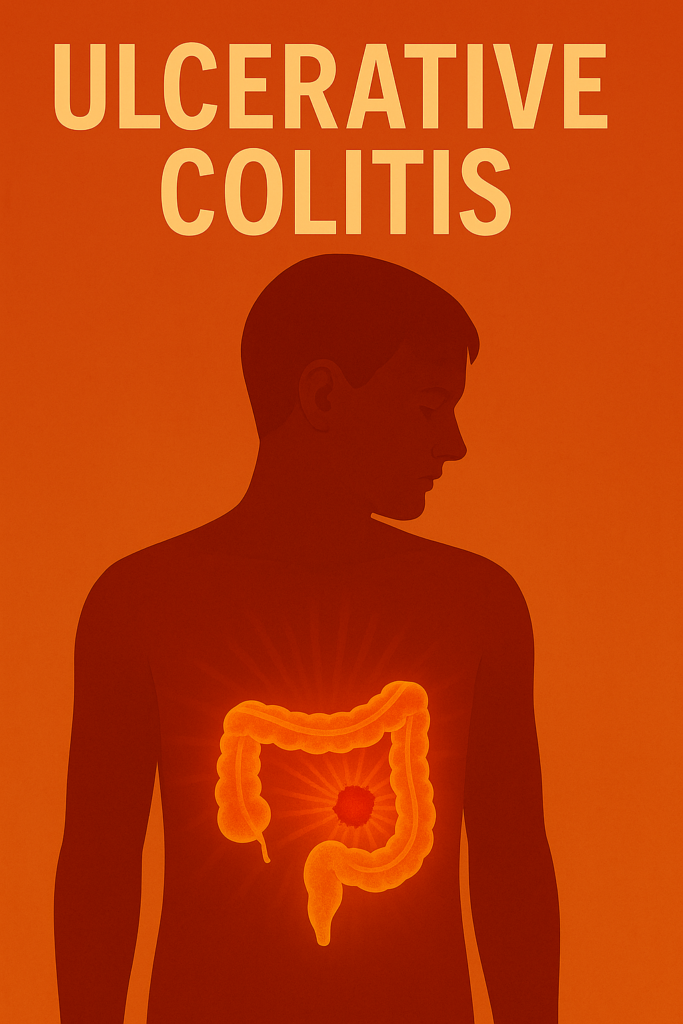
Ulcerative colitis is often described as a chronic inflammatory disease of the colon, yet from a Natural Hygiene perspective it is a profound expression of internal irritation, overwhelm and exhaustion within the digestive tract. The colon is the final stage of digestion, responsible for absorbing water, reclaiming minerals and preparing waste for elimination. When the internal terrain becomes too acidic, dehydrated or congested, the colon becomes inflamed in an attempt to protect itself. The ulcers and bleeding that appear are not random malfunctions, but signs that the body is working under extreme strain and is calling for deep rest and relief.
The colon is lined with a delicate mucous membrane that acts as a protective barrier. When the body is fuelled with natural foods such as fruits, vegetables and raw hydration, this lining stays soft, lubricated and resilient. However, modern eating habits place heavy burdens on the digestive tract. Cooked starches, processed foods, oils, dairy, excessive salt and chemical additives create internal irritation that gradually wears down the mucosal lining. Over time, the colon becomes inflamed as it tries to defend itself from repeated exposure to substances it cannot process efficiently.
Acidity is one of the major drivers of ulcerative colitis. Acid-forming foods and stress both contribute to an internal environment that irritates the colon. When the body becomes too acidic, the tissues lose their resilience and the mucus layer thins. The colon, which is not designed to handle corrosive or inflammatory residues, responds with swelling, redness and eventually ulceration. This is not an attack on the body. It is a protective attempt to prevent deeper damage.
Stress plays a significant role in ulcerative colitis. The nervous system and the digestive system are intimately connected through what is often called the gut–brain axis. When someone lives under chronic stress, the digestive tract receives weaker blood flow and less nourishment. Stress hormones reduce peristalsis, irritate the lining and increase sensitivity. Many people experience flare ups during periods of emotional turmoil. The colon is expressing tension that the mind has not yet resolved. Natural Hygiene sees this not as coincidence but as a clear demonstration of the connection between emotional life and physical function.
Hydration is another critical factor. The colon requires water to soften waste, protect its lining and maintain balance. When the body is dehydrated due to stimulants, processed foods or inadequate intake of hydrating fruits, the colon struggles to maintain its mucous barrier. Dryness leads to friction, and friction leads to ulceration. Hydration through raw fruits, fresh juices and high-water foods is one of the most soothing and restorative practices for this condition.
The lymphatic system influences ulcerative colitis more than most people realise. When the lymph becomes stagnant due to inactivity or dietary burden, waste can accumulate around the digestive organs. This adds pressure and slows healing. Gentle movement, deep breathing and a simplified diet help restore lymphatic flow, reducing congestion in the abdominal region.
Many people believe ulcerative colitis is caused by pathogens or autoimmune dysfunction. From a Natural Hygiene perspective, these are downstream effects rather than root causes. When tissues are weakened, irritated and malnourished, microbes flourish in the damaged areas, not because they caused the damage but because the environment accommodates them. The immune activity seen in ulcerative colitis is not the body attacking itself, but the body responding to injury and attempting repair.
Symptoms such as diarrhoea, urgency, bleeding and abdominal cramping are the body’s attempts to remove irritants quickly. Diarrhoea is a cleansing response, helping to flush substances the colon cannot safely contain. Bleeding occurs when the tissue is raw and inflamed. While these symptoms can be distressing, they are part of the body’s effort to reset itself. Suppressing them without addressing the underlying causes forces the irritation deeper.
Healing begins when the digestive system is given rest. Fasting or fruit-only days allow the colon to stop processing heavy residues and focus entirely on repair. The body begins rebuilding the mucous membrane, reducing inflammation and closing ulcerations. Many individuals experience significant relief simply by giving the digestive system a break from cooked foods and irritants.
Fruit is especially therapeutic because it hydrates, cleanses and delivers minerals the body can use immediately. Melons, bananas, pears, mangoes and fresh juices are gentle on the colon and support tissue repair. Leafy greens in blended form can help rebuild the mucosal layer. Over time, as the colon heals, movements become easier, bleeding reduces and inflammation settles.
Rest is essential. The colon, like every organ, repairs most effectively during deep sleep. Reducing stress, quieting the nervous system and creating a peaceful evening routine help restore digestive balance. Emotional healing also plays a role. Journalling, breathwork, gentle movement and moments of stillness support the parasympathetic nervous system, which is required for digestive regeneration.
Ulcerative colitis is not a life sentence. It is a call for softness. It is a message that the digestive system has been pushed beyond its limits and needs a reset. When we simplify our diet, hydrate deeply, rest generously and reduce emotional strain, the colon can begin its natural process of repair. The body is always moving toward healing when we create the conditions that allow it.