Your body is not a collection of separate parts. It is a living, coordinated whole.
Modern health education often divides the body into separate systems — digestive, nervous, circulatory, endocrine and so on. That is useful for learning anatomy, but in real life those systems are constantly interacting.
Natural Body Intelligence looks at those systems as connected expressions of one organism. When one area appears to struggle, it may be influenced by sleep, stress, food, movement, circulation, hydration, nervous-system activity and the wider conditions in which the body is functioning.
The Body as a Network
Every system communicates with the others. The digestive system processes food. The circulatory system distributes oxygen, nutrients and hormones. The lymphatic system returns fluid from the tissues. The nervous system coordinates sensation and response. The endocrine system helps regulate rhythm, metabolism and adaptation. The lungs exchange gases. The kidneys regulate fluid and filter the blood. The skin provides protection, sensation and temperature control.
At the cellular level, this coordination involves electrical, chemical and metabolic activity. Living tissues also produce measurable ultra-weak photon emissions, a developing area of research explored in our guide to biophotons in food and human biology.
Why Understanding Systems Matters
From a Natural Hygiene perspective, symptoms are not viewed in isolation. A skin change may involve far more than the skin. Fatigue can involve sleep, digestion, nervous-system load, circulation, hormones and activity. Brain fog can be influenced by sleep quality, blood sugar, hydration, stress and digestion.
Looking at systems helps us ask a better question: what else is connected to this? That does not replace diagnosis where it is needed, but it gives you a wider map of how the body works as a whole.
The Natural Hygiene Perspective
Natural Hygiene places strong emphasis on the conditions that surround health: nourishing food, rest, sleep, fresh air, daylight, movement, emotional balance, reduced unnecessary stimulation and allowing the body adequate opportunity for recovery.
Rather than trying to “fix” one organ in isolation, the aim is to understand what supports the whole person and how the different systems influence one another.
How to Use This Section
Each card below gives you a short introduction to one body system or organ and links to a much deeper guide. Use this page as a map: start with the area that interests you, then follow the links between systems, symptoms and related conditions.
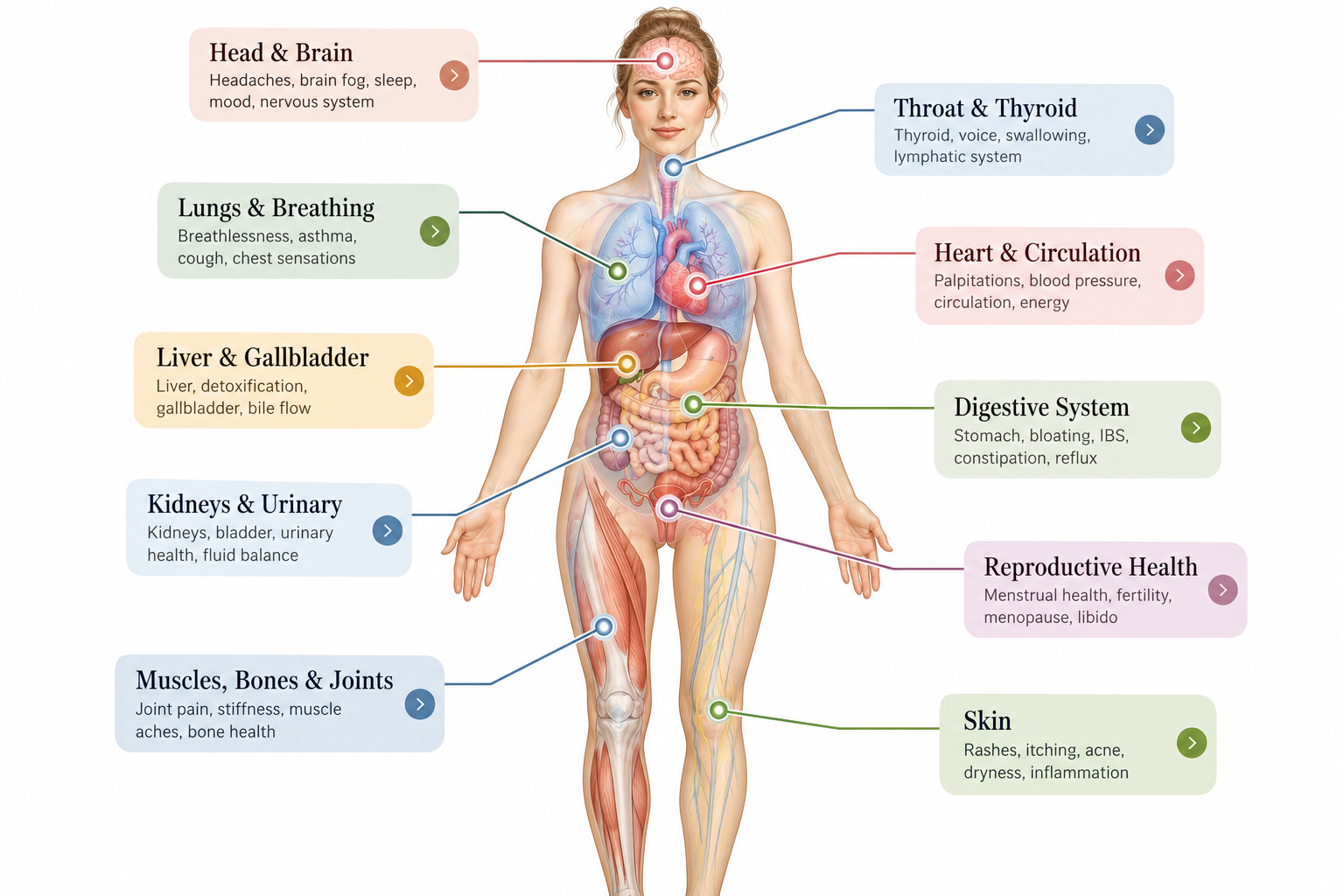
Explore the Body
Tap a labelled area of the body to explore the systems and organs connected with it.
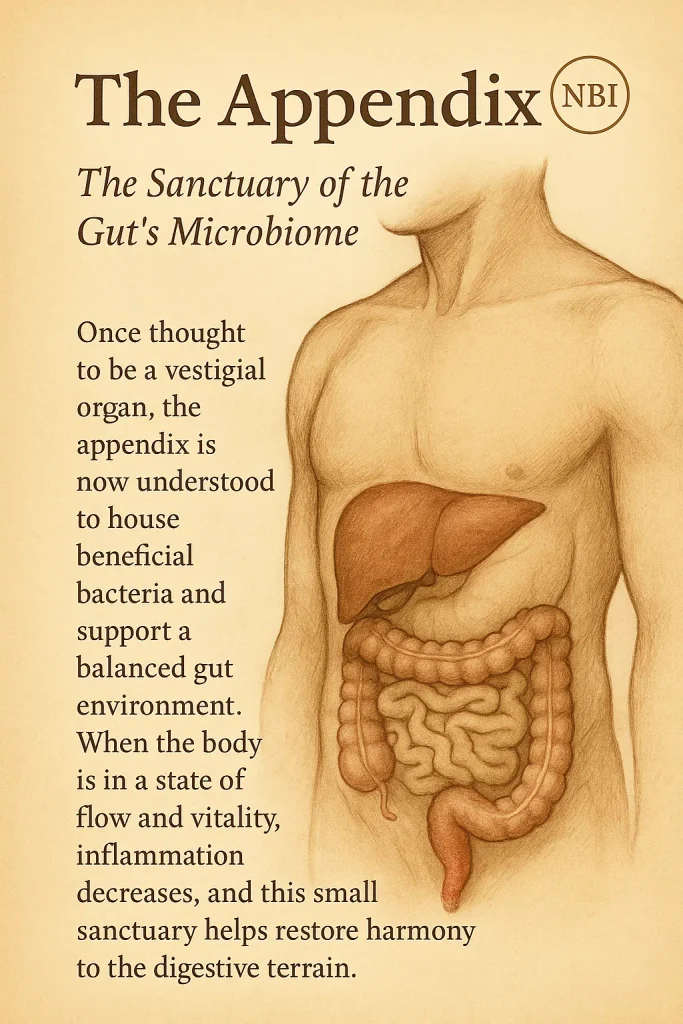
The appendix is a small pouch connected to the beginning of the large intestine. Once dismissed as unnecessary, it is now understood to have connections with the gut’s microbial and lymphatic environment. From a Natural Hygiene perspective, it is best understood as part of the wider digestive ecology rather than as an isolated structure.
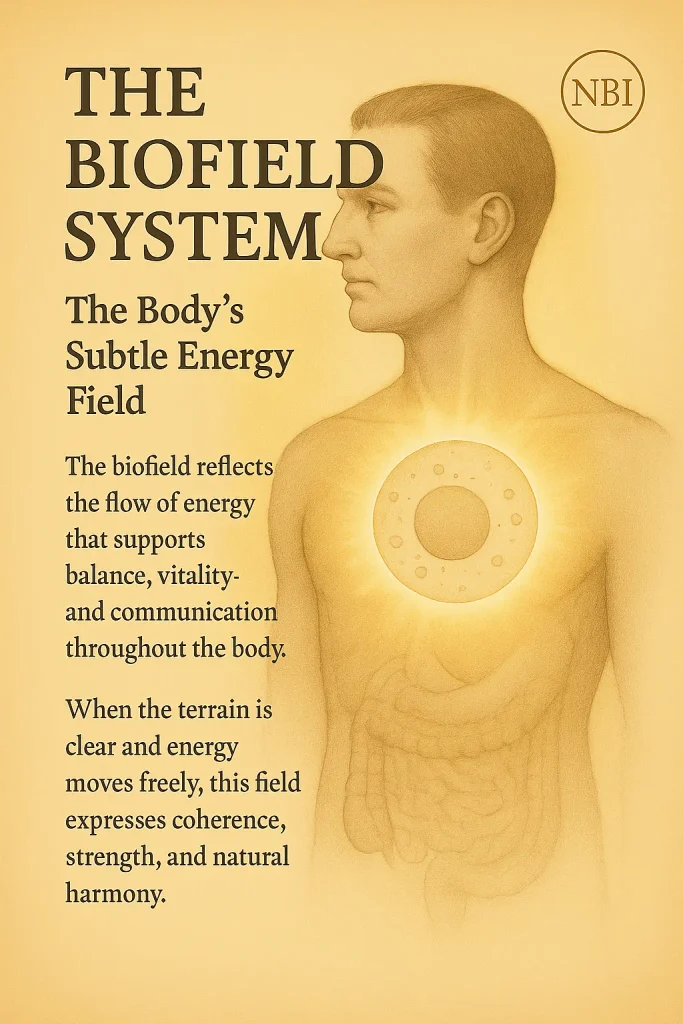
NBI uses the term biofield as a broad way of discussing the body’s electrical, electromagnetic and other proposed subtle signalling processes. Some aspects, such as electrical activity in nerves, the heart and cells, are directly measurable; other biofield concepts remain areas of investigation.
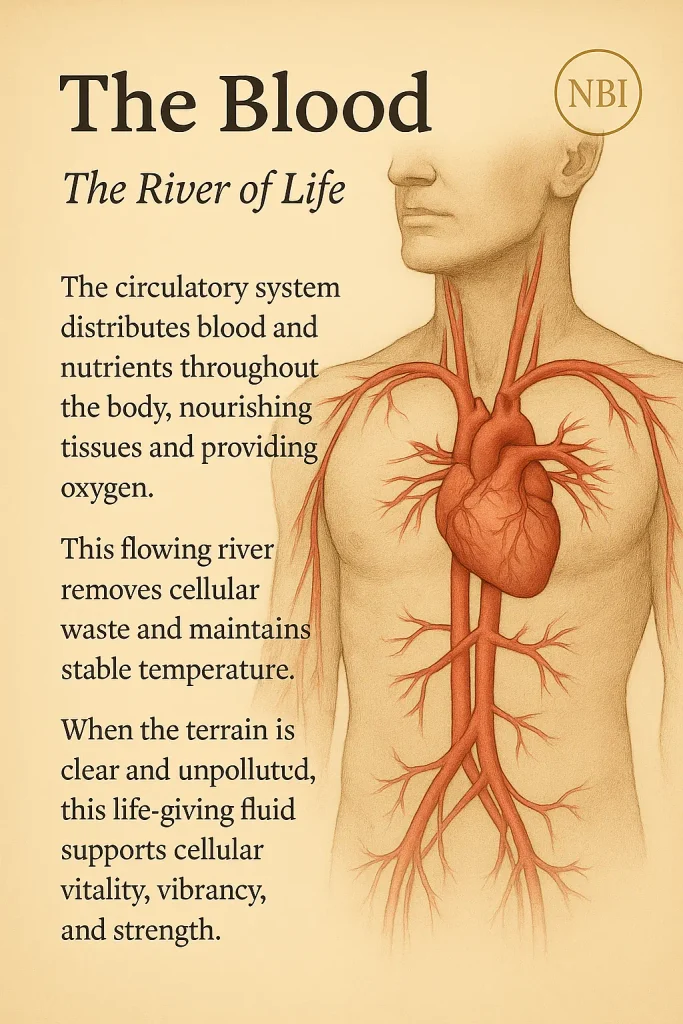
The circulatory system transports oxygen, nutrients, hormones, heat and metabolic waste around the body. Every organ depends on that movement. Natural Hygiene places particular emphasis on regular movement, adequate rest, hydration, food quality and the overall conditions that support healthy circulation.
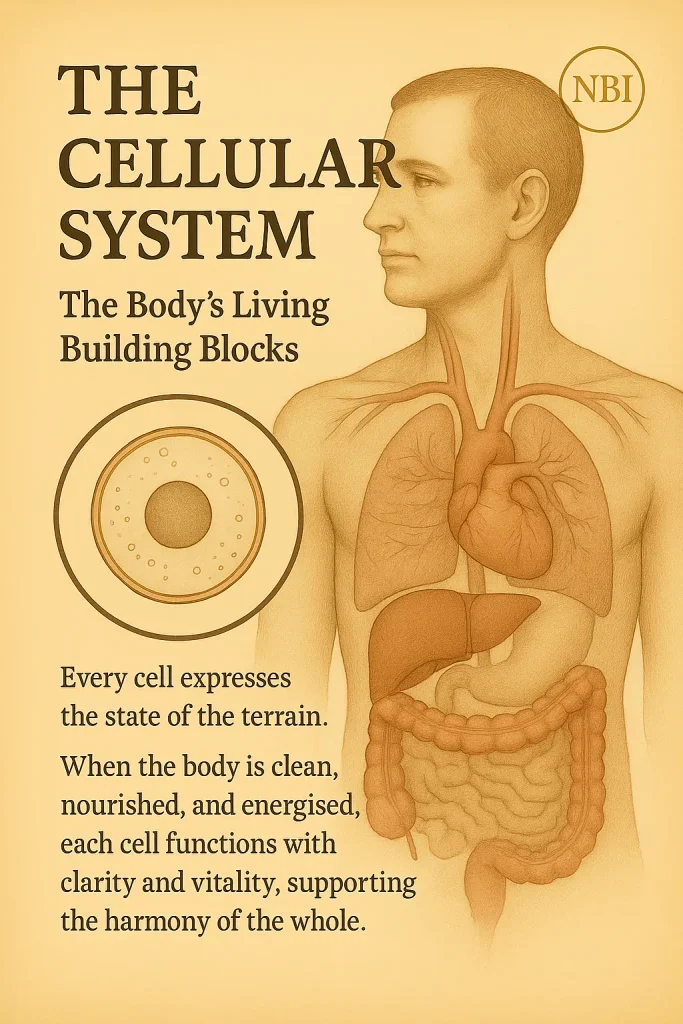
Every tissue and organ is built from cells. Cells produce energy, communicate, repair damage, respond to hormones and maintain the internal conditions needed for life. The cellular view is central to NBI because it brings the focus back to the basic environment in which every part of the body has to function.
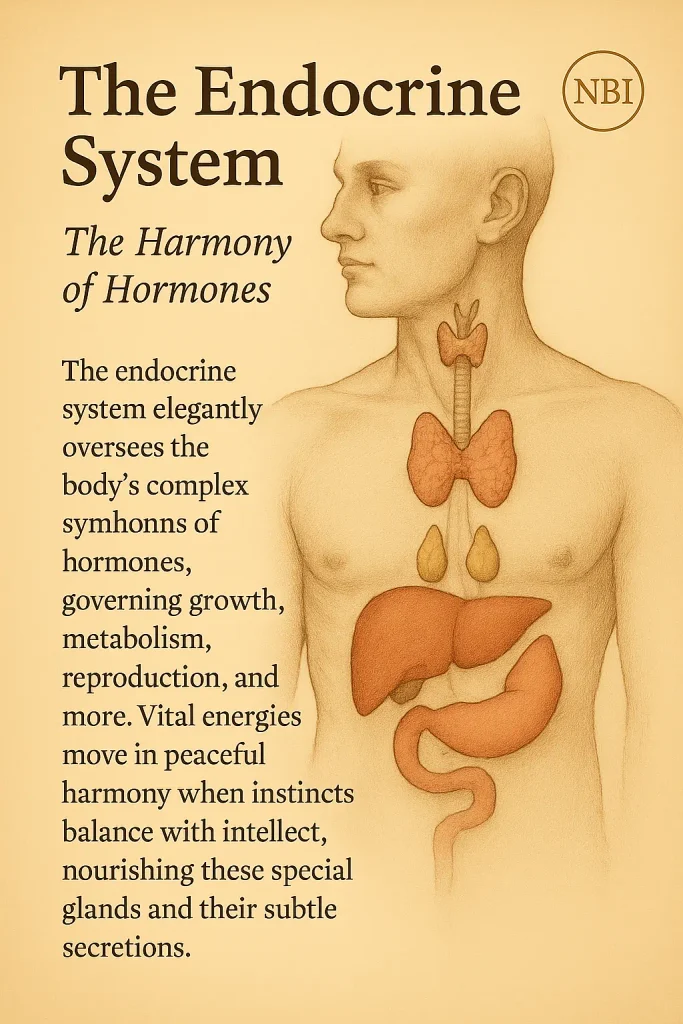
The endocrine system uses hormones to coordinate metabolism, growth, reproduction, stress responses, sleep-wake rhythms and many other processes. Because hormones interact with the nervous system, digestion, sleep and energy use, Natural Hygiene looks at endocrine health as part of a much wider lifestyle picture.
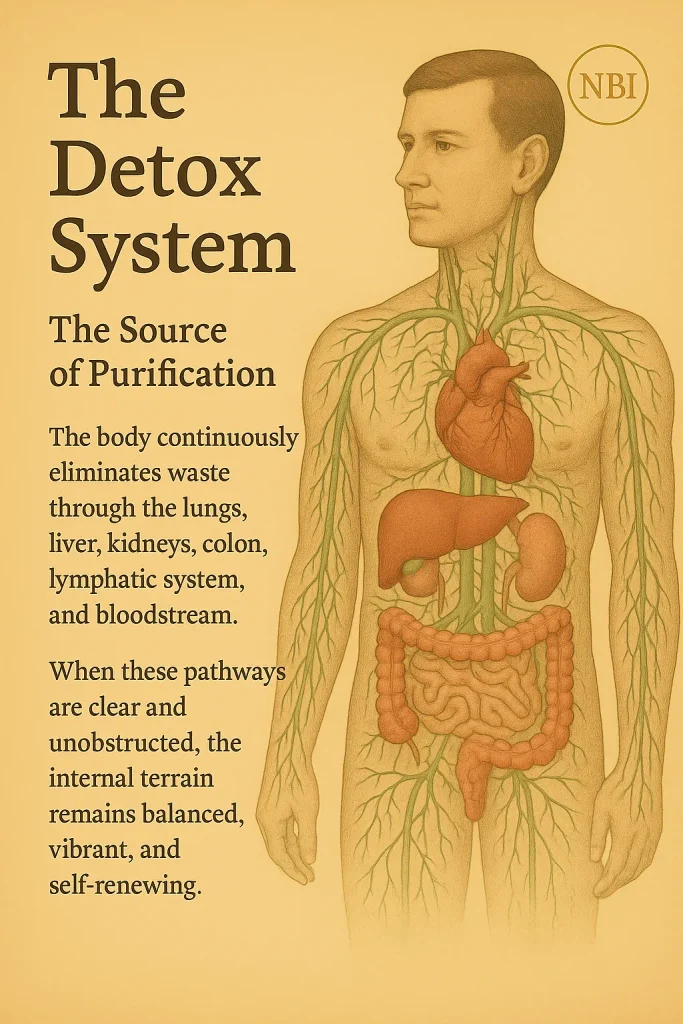
Detoxification is not one single organ or pathway. It involves the coordinated work of the liver, kidneys, lungs, digestive tract, skin and circulation. Natural Hygiene focuses on reducing unnecessary burden while supporting the body’s normal elimination and metabolic processes.
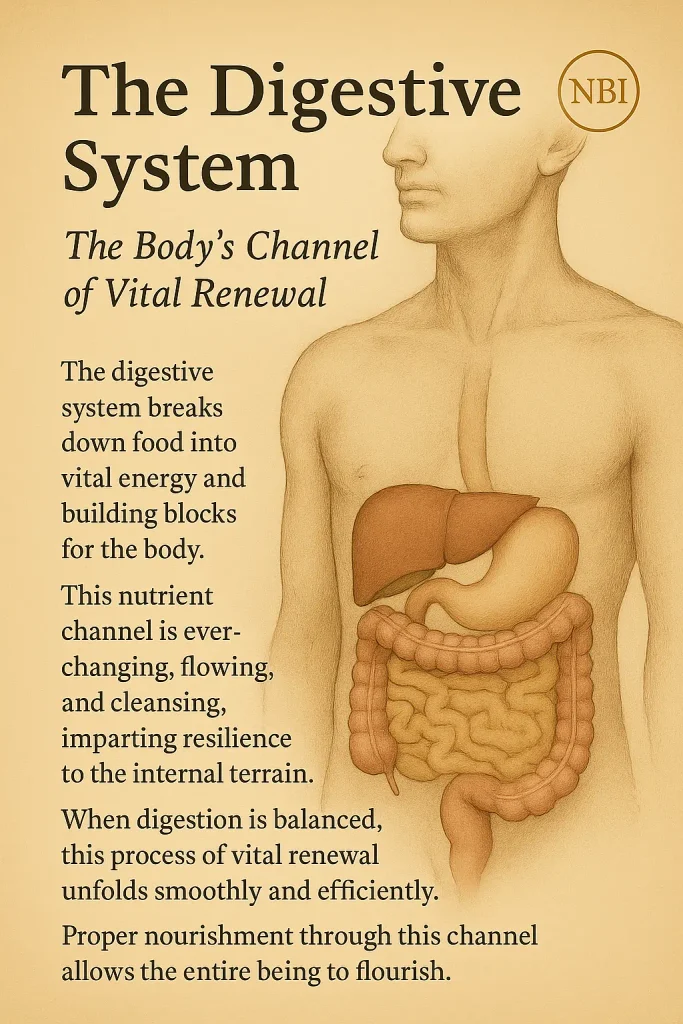
The digestive system breaks food down, absorbs nutrients and moves material through the gastrointestinal tract. It is closely linked with the nervous system, liver, pancreas, microbiome and circulation. Natural Hygiene gives digestion a central role, with particular attention to food quality, simplicity, appetite and rest.
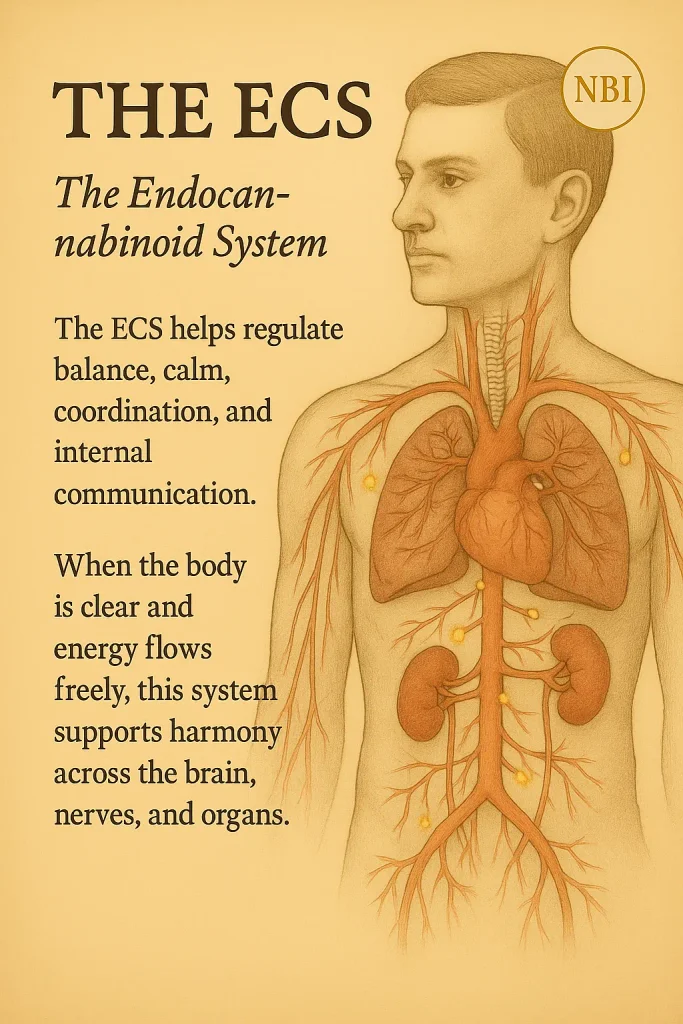
The endocannabinoid system is a signalling network involving receptors, enzymes and naturally produced endocannabinoid molecules. It helps regulate processes such as appetite, mood, sleep, stress response and pain perception, making it a good example of why body systems cannot always be understood in isolation.
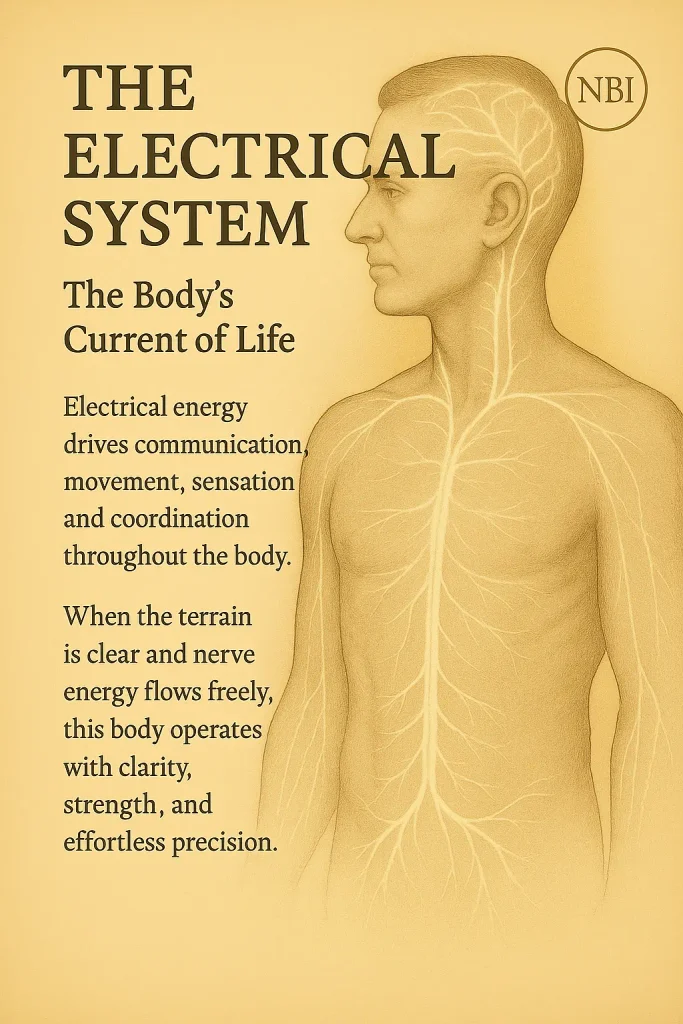
The body depends on electrical gradients and signals. Nerves transmit impulses, the heart relies on coordinated electrical activity, and every cell maintains voltage differences across its membrane. NBI uses this to show that communication and regulation happen continuously throughout the body.
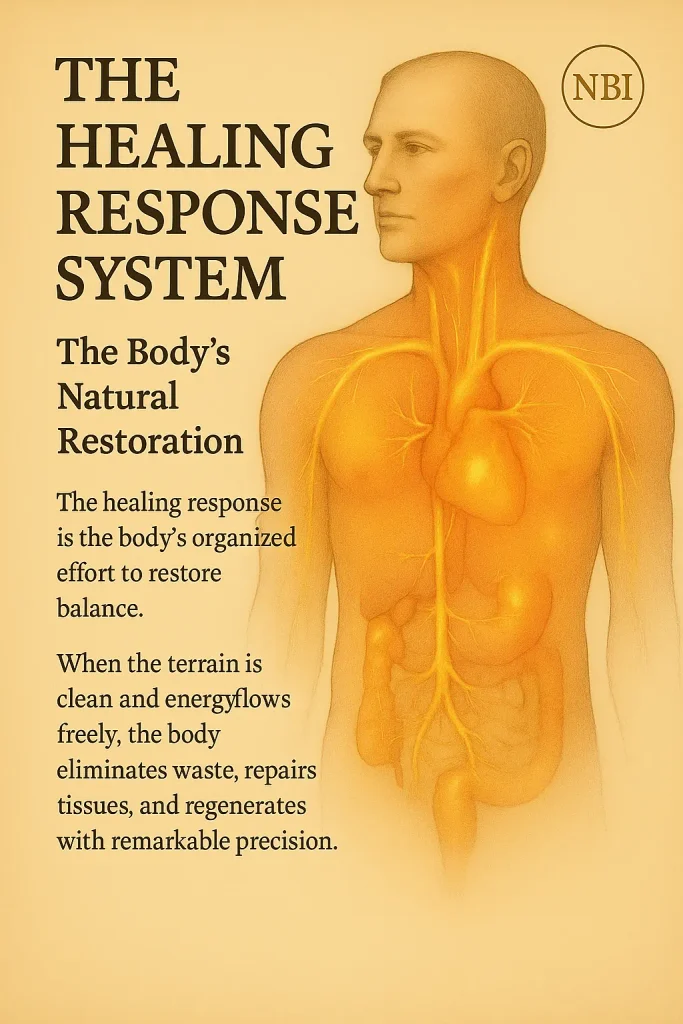
Natural Body Intelligence uses “healing response” as an umbrella term for the body’s coordinated processes of protection, repair, adaptation and recovery. That includes activity across tissues, circulation, lymph, nerves, hormones and cellular signalling.
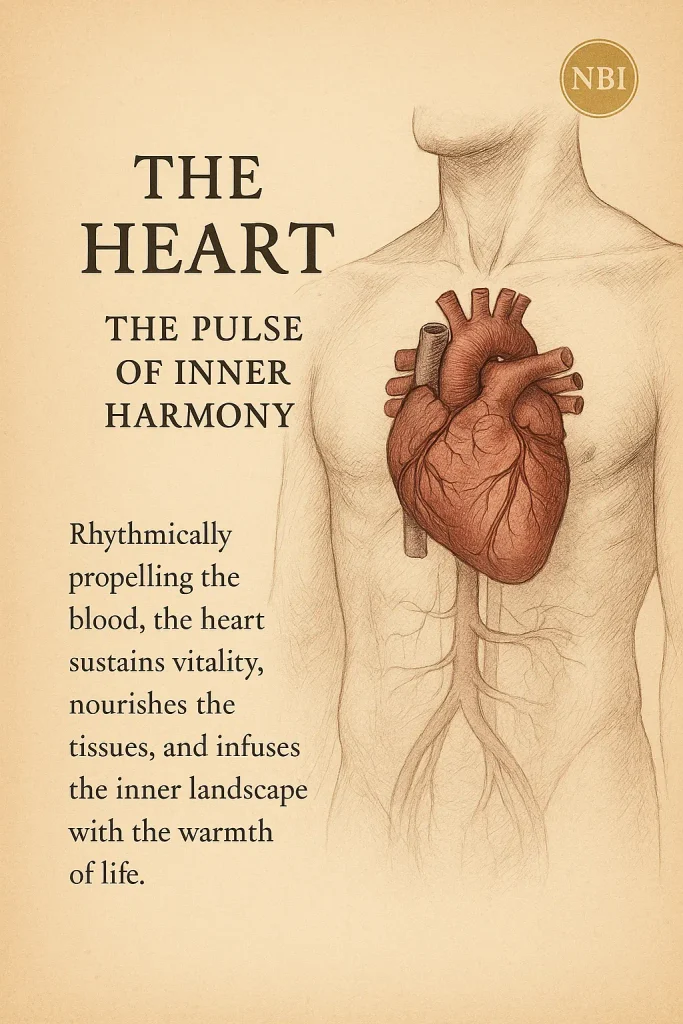
The heart is the muscular pump that keeps blood moving through the lungs and the rest of the body. Its workload is influenced by activity, blood pressure, sleep, stress and the health of the wider circulatory system. Natural Hygiene therefore looks beyond the heart itself to the conditions that affect cardiovascular demand and recovery.
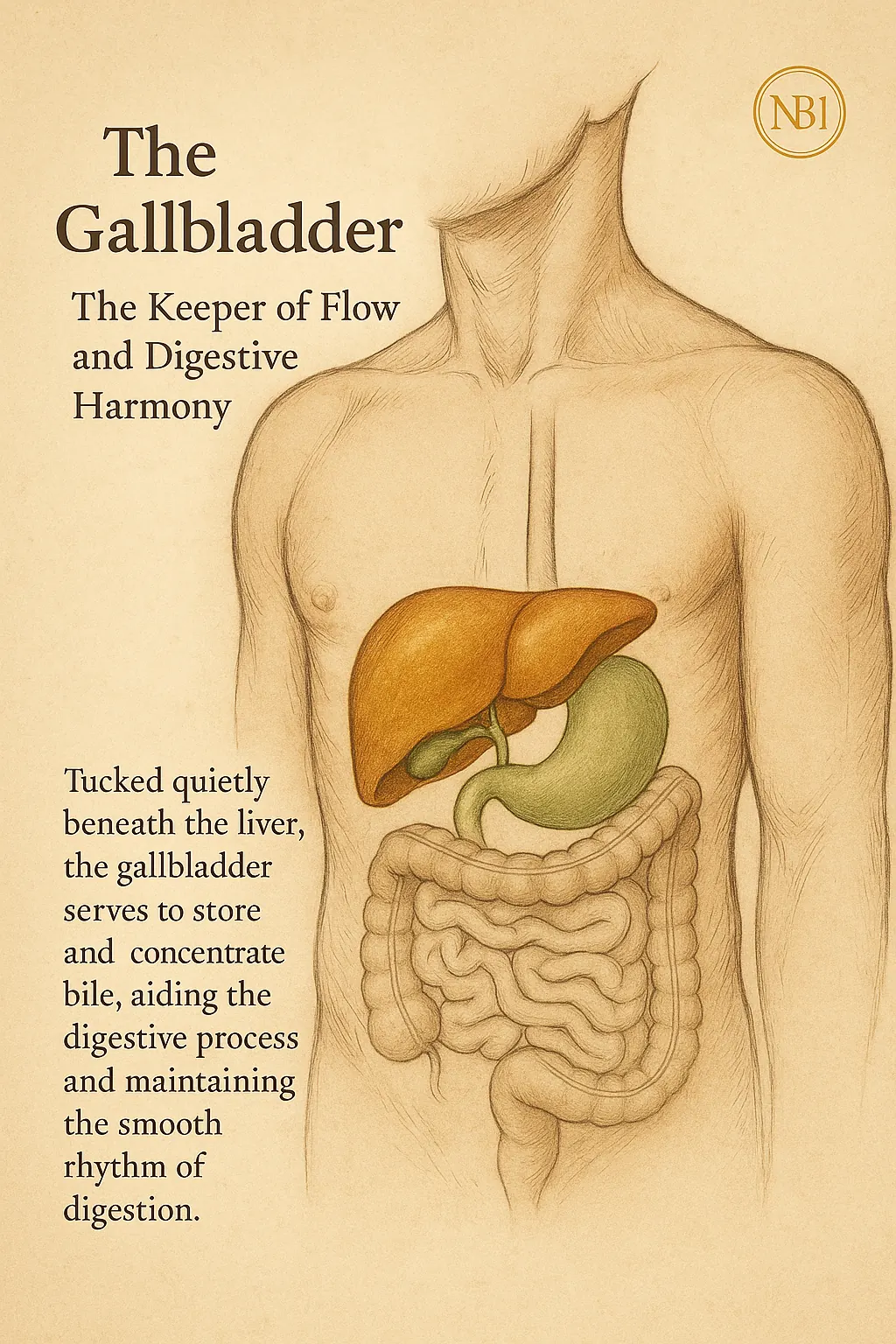
The gallbladder stores and concentrates bile produced by the liver, releasing it into the small intestine when needed for fat digestion. It works closely with the liver, pancreas and digestive tract. NBI explores gallbladder health in the context of digestion, food patterns and bile flow.
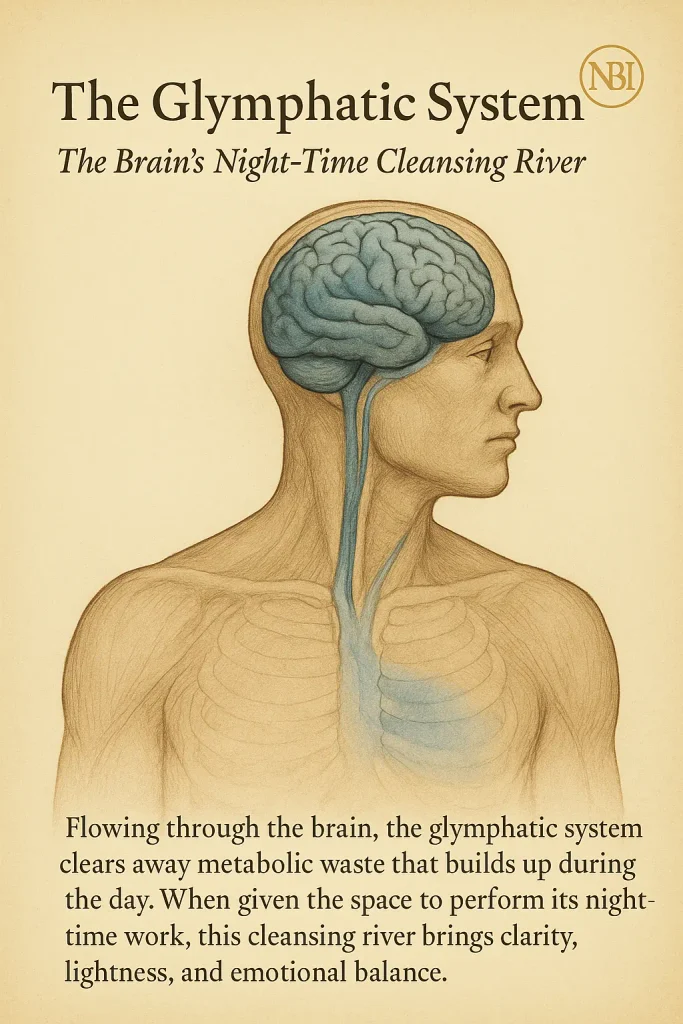
The glymphatic system describes a fluid-clearance pathway within the brain that becomes especially active during sleep. It helps move fluid and metabolic by-products through brain tissue. Its close relationship with sleep is one reason Natural Hygiene places strong emphasis on adequate rest and regular sleep.
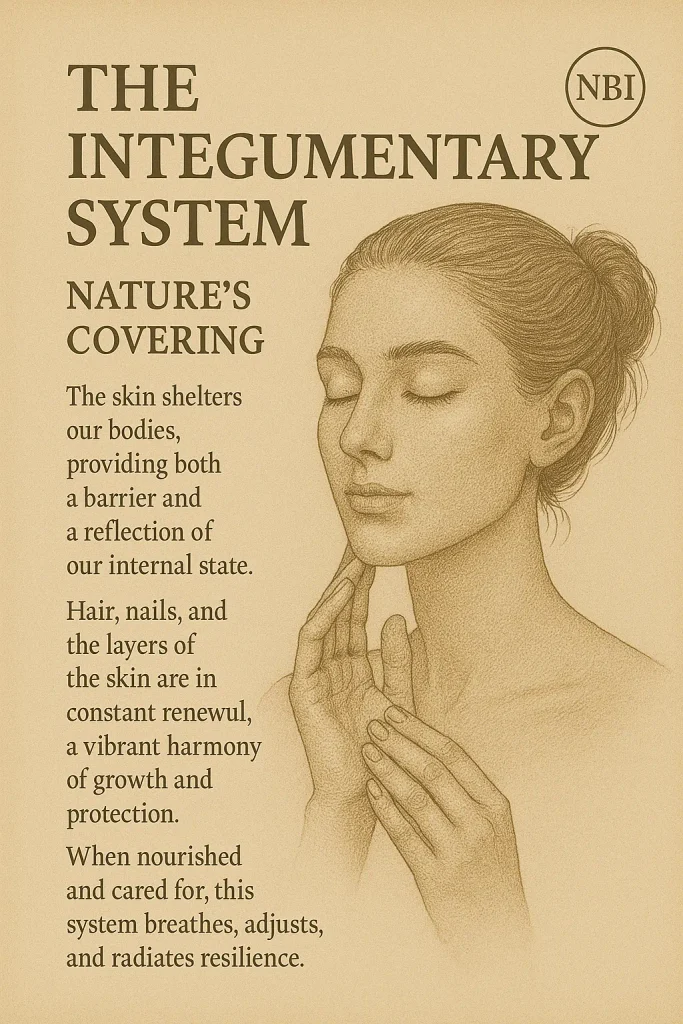
The integumentary system includes the skin, hair and nails. The skin acts as a protective barrier, helps regulate temperature and allows sensation and sweating. Natural Hygiene also pays attention to visible skin changes as useful information about the wider body.
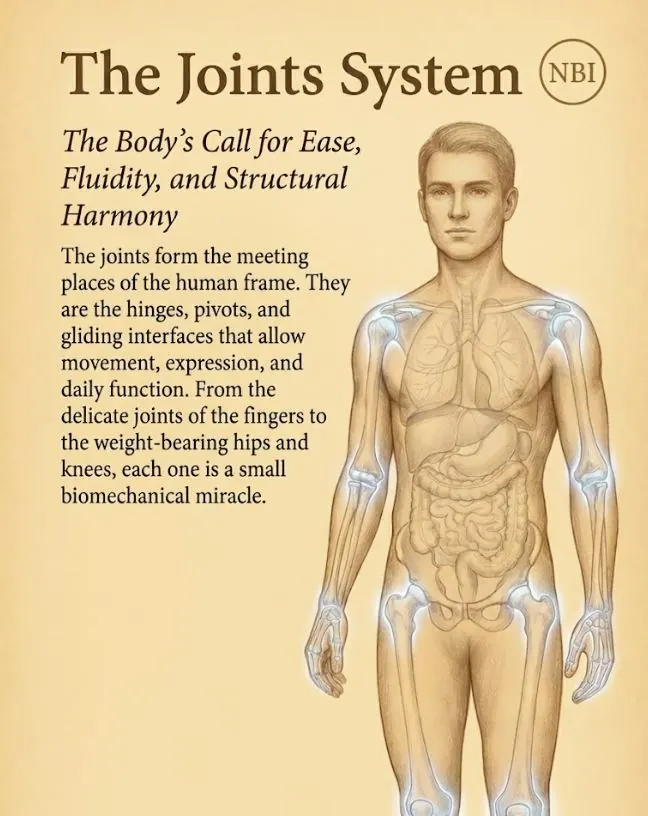
Joints connect bones and allow controlled movement. Cartilage, ligaments, tendons, synovial fluid, muscle and nervous-system control all contribute to joint function. NBI looks at joints within the wider context of movement, load, rest, circulation, body weight and surrounding tissues.
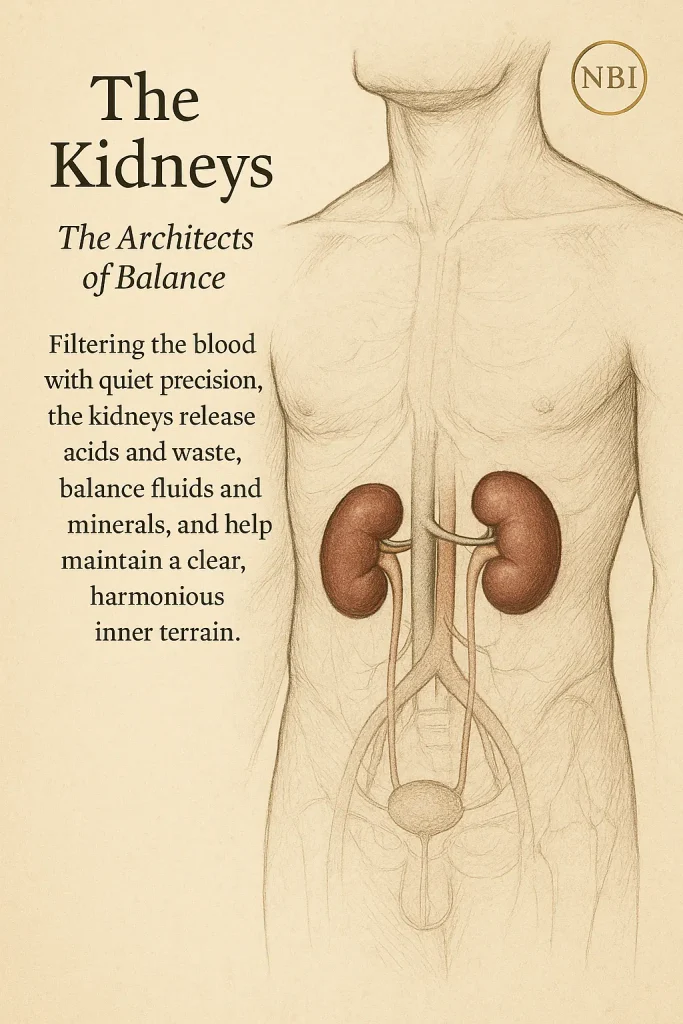
The kidneys filter the blood and help regulate fluid balance, electrolytes, acid-base balance and blood pressure. They also produce hormones involved in red blood cell production and other functions. Natural Hygiene considers kidney health alongside hydration, blood pressure, food patterns and circulation.
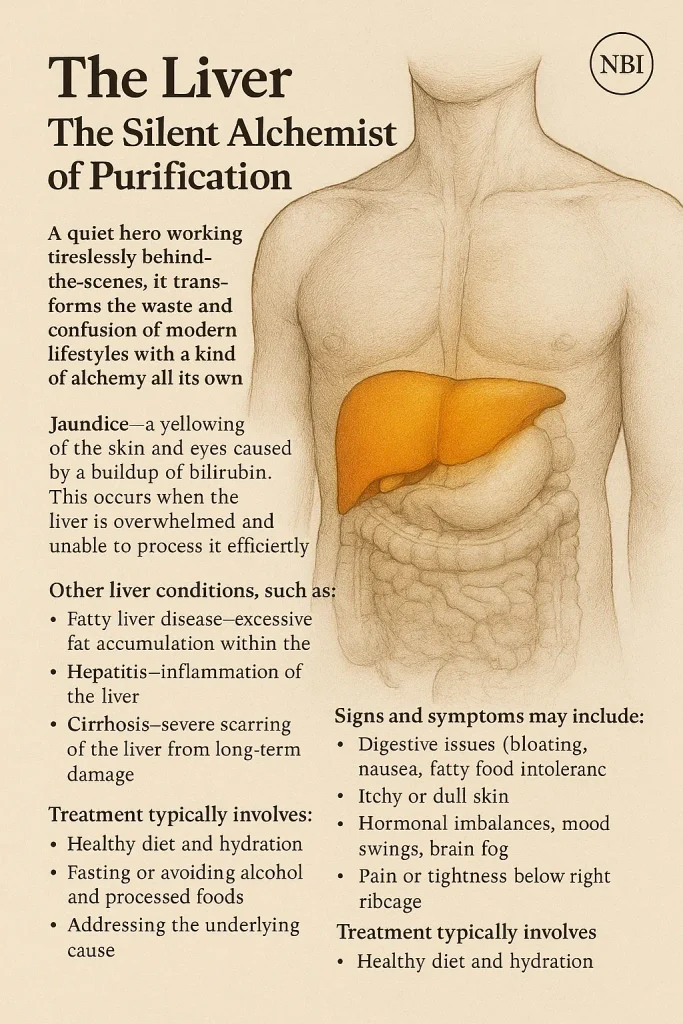
The liver is a major metabolic organ. It processes nutrients, helps regulate blood chemistry, produces bile, stores energy and transforms many substances before they are used or eliminated. Natural Hygiene gives the liver particular importance because its work connects digestion, circulation, energy metabolism and normal detoxification pathways.
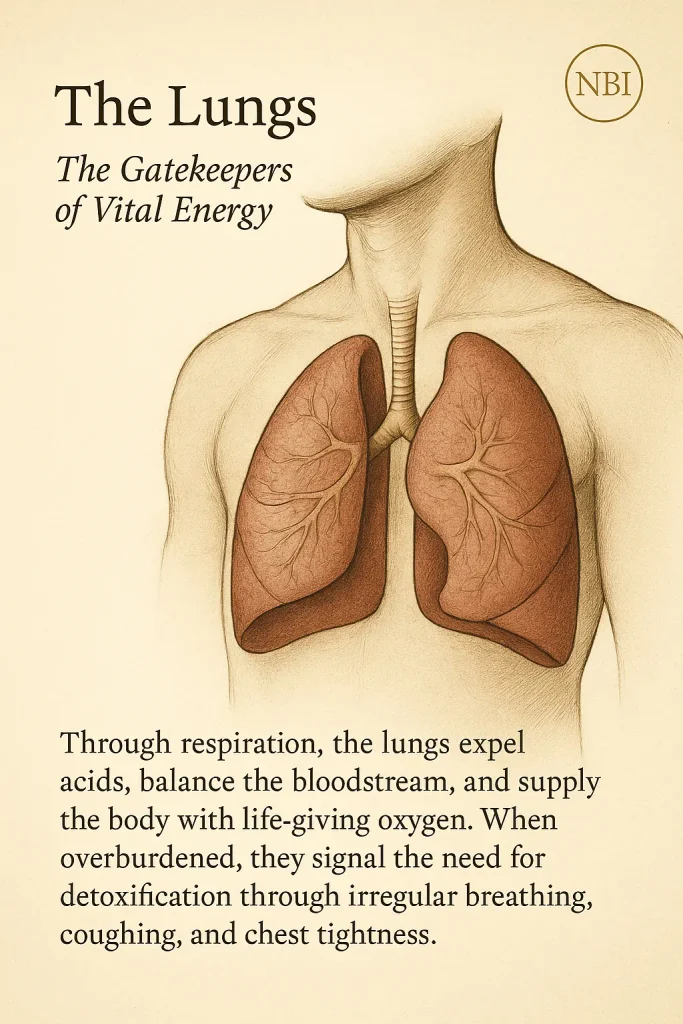
The lungs exchange oxygen and carbon dioxide between the body and the outside air. Breathing also influences acid-base balance and interacts closely with circulation and the nervous system. Natural Hygiene emphasises clean air, appropriate movement, rest and avoiding unnecessary respiratory irritants.
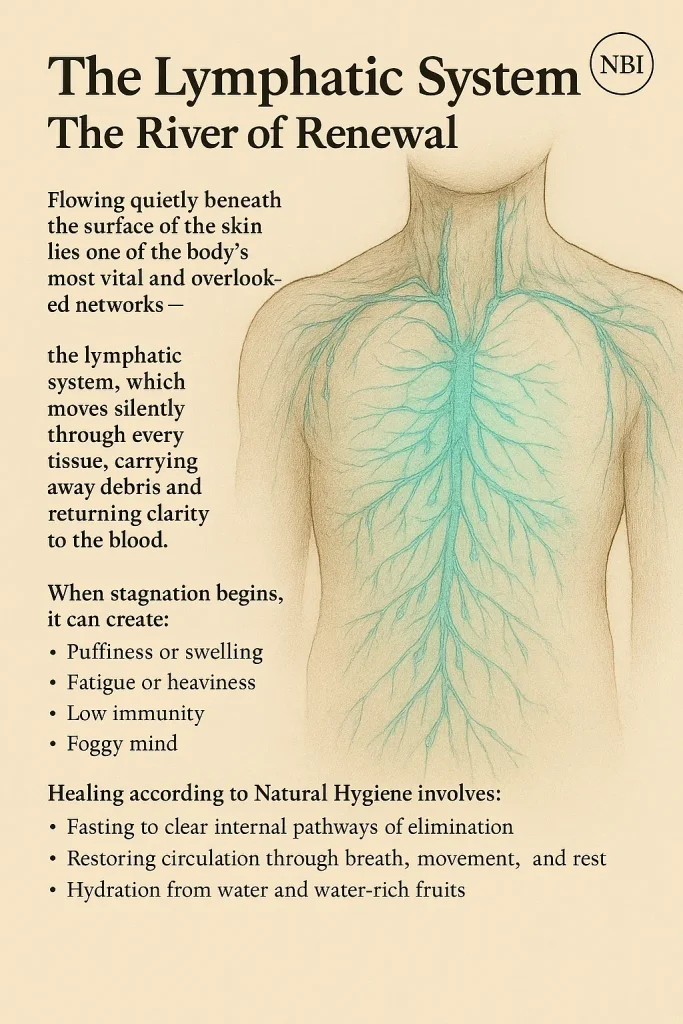
The lymphatic system returns excess fluid from the tissues to the circulation and transports fats and many cellular components through a network of vessels and nodes. Normal body movement plays an important role in lymph flow, making it especially relevant to NBI’s emphasis on movement and tissue fluid balance.
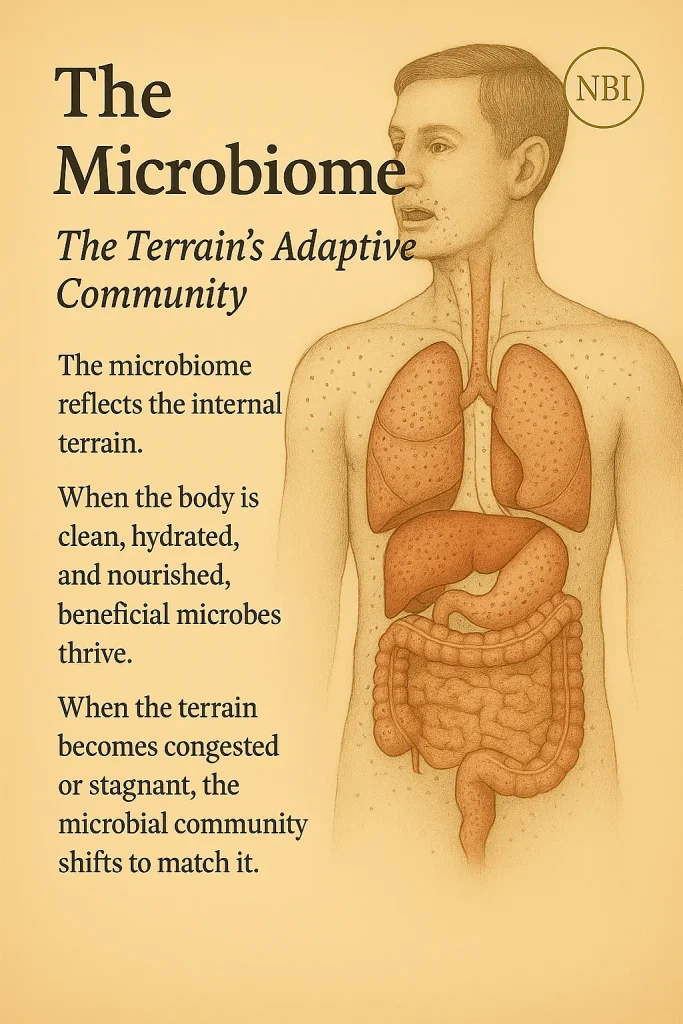
The microbiome is the community of microorganisms living on and within the body, especially in the gut. These organisms interact with digestion, fermentation, metabolism and signalling between the gut and other systems. Natural Hygiene approaches the microbiome through the wider environment that shapes it.
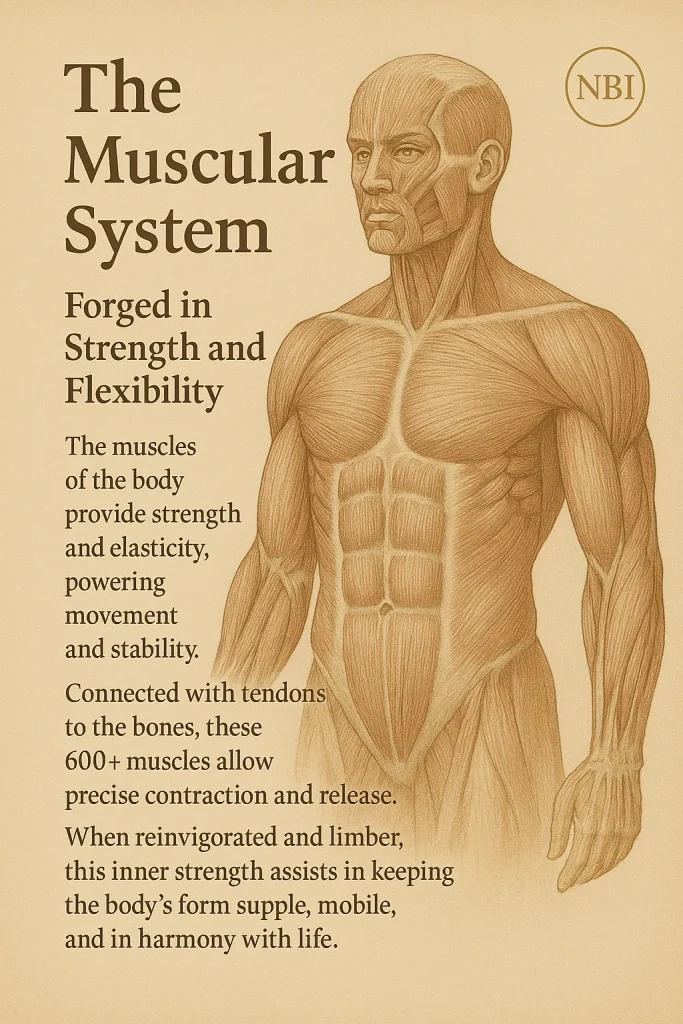
Muscles create movement, maintain posture, generate heat, support breathing and help the body use glucose and energy. They work continuously with the nervous, skeletal and circulatory systems. NBI looks at muscular health as a balance between movement, recovery, nutrition and circulation.
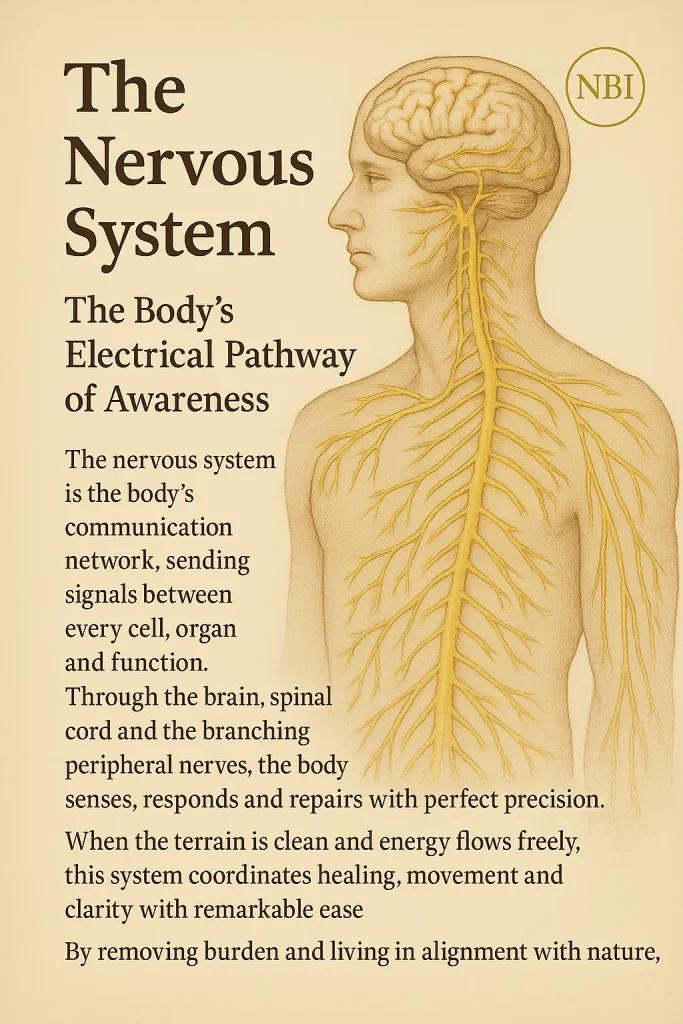
The nervous system detects information, processes it and coordinates responses throughout the body. It influences movement, sensation, digestion, heart rate, breathing, sleep and stress responses. Natural Hygiene gives nervous-system load particular attention because constant stimulation, poor sleep and chronic stress can affect many other systems.
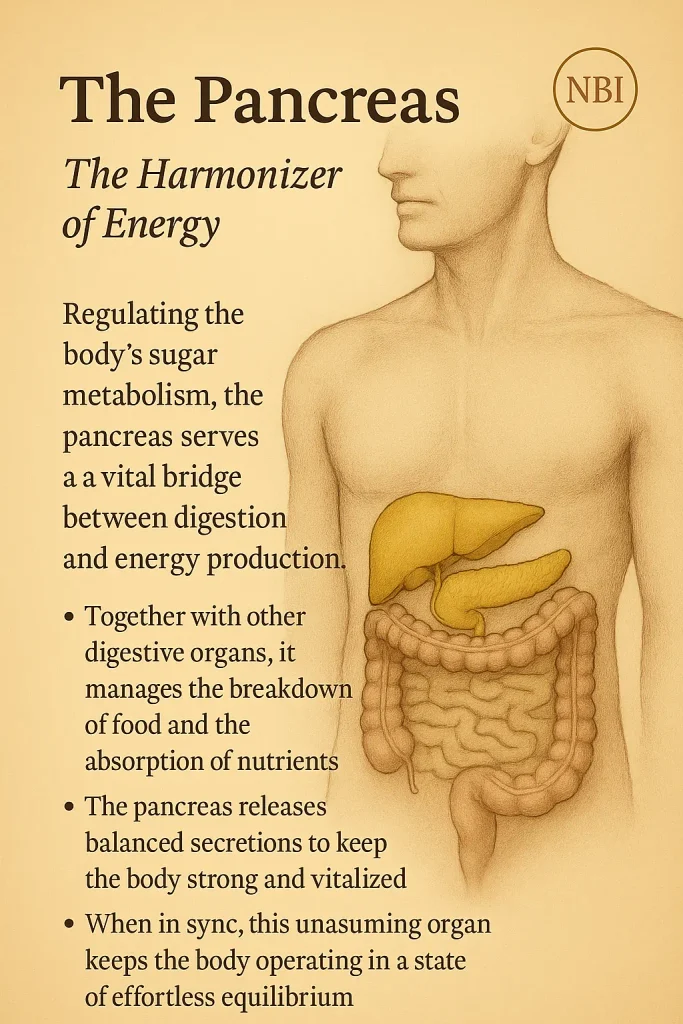
The pancreas produces digestive enzymes for the small intestine and hormones such as insulin and glucagon that help regulate blood glucose. That makes it a bridge between digestion and metabolism. NBI explores pancreatic health through food patterns, energy balance, digestion and activity.
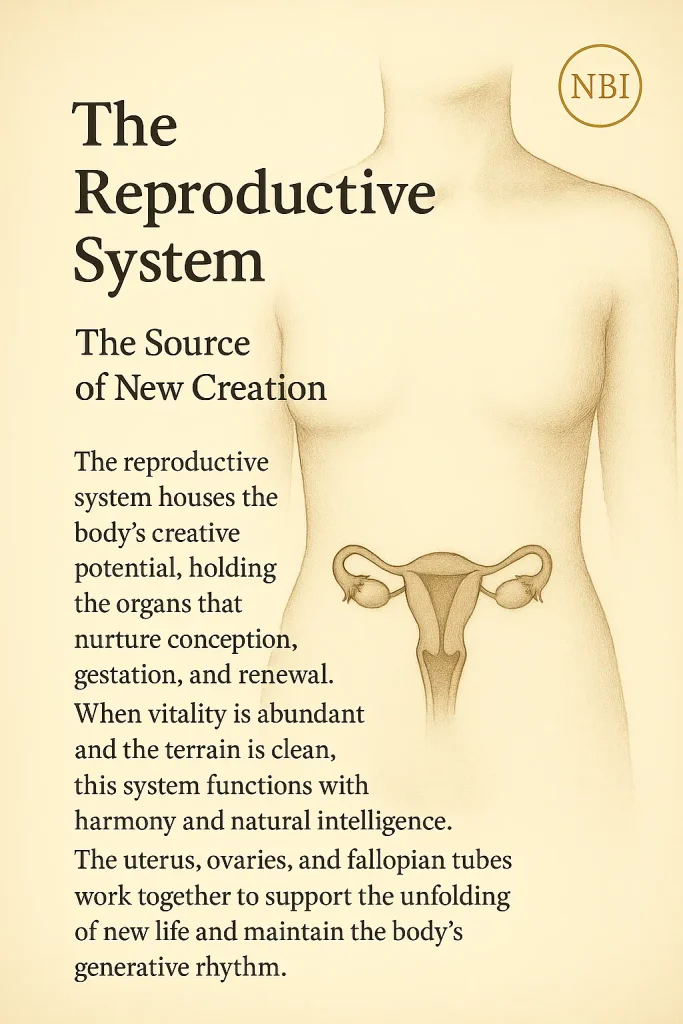
The reproductive system is closely connected with hormones, energy availability, stress, sleep and overall health. Natural Hygiene considers reproductive function as part of the body’s wider priorities rather than something that can be separated from nutrition, rest, stress and metabolism.
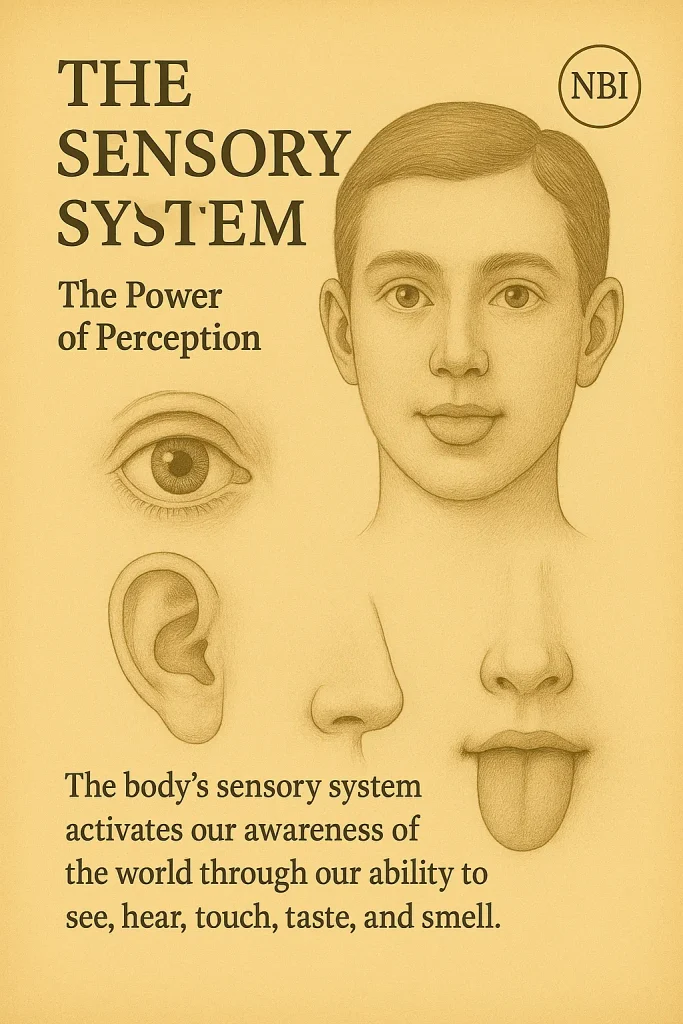
Sight, hearing, smell, taste, touch and balance give the nervous system information about the world around us and the body itself. These systems depend on specialised receptors, nerves and brain processing. NBI uses sensory health as another example of how local symptoms connect with the wider body.
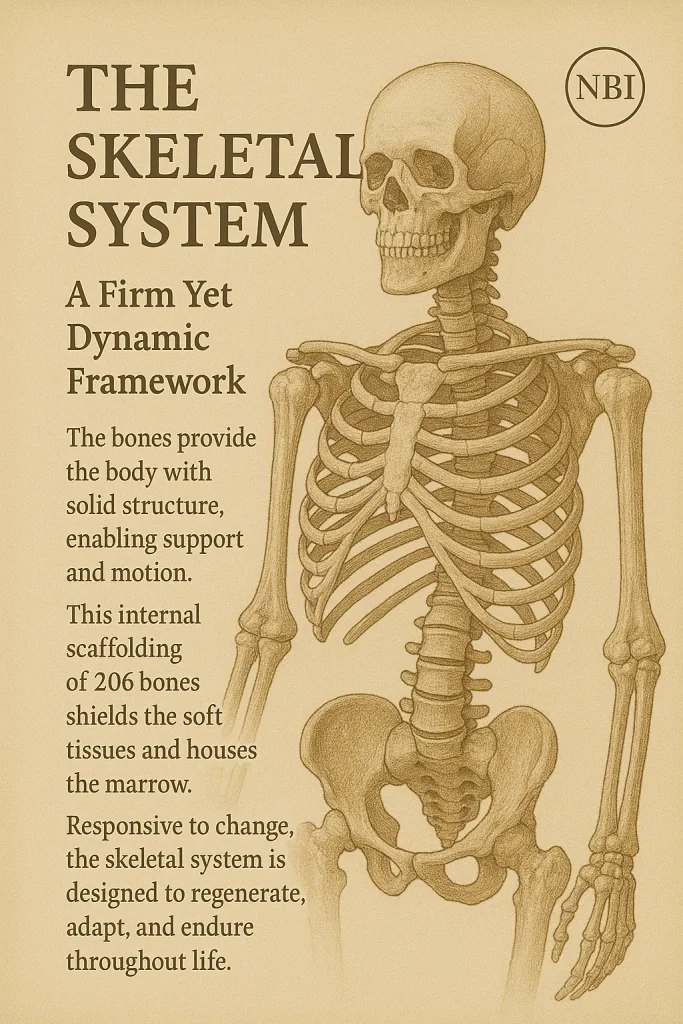
The skeleton provides structure, protects organs, stores minerals and contains bone marrow where blood cells are produced. Bone is living tissue that is constantly being remodelled. Natural Hygiene looks at skeletal health through movement, load, nutrition, hormones, sunlight and rest.
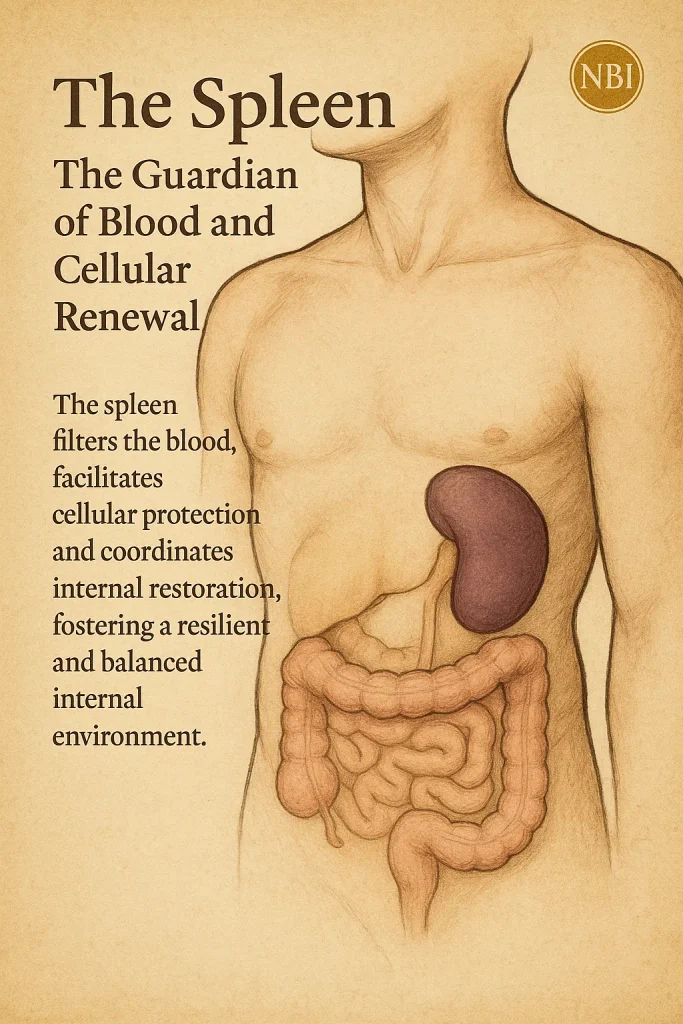
The spleen filters blood, helps recycle ageing blood cells and plays an important role in blood and defence functions. It sits at the intersection of circulation, lymphatic activity and cellular turnover. NBI places it within that wider network rather than treating it as a stand-alone organ.
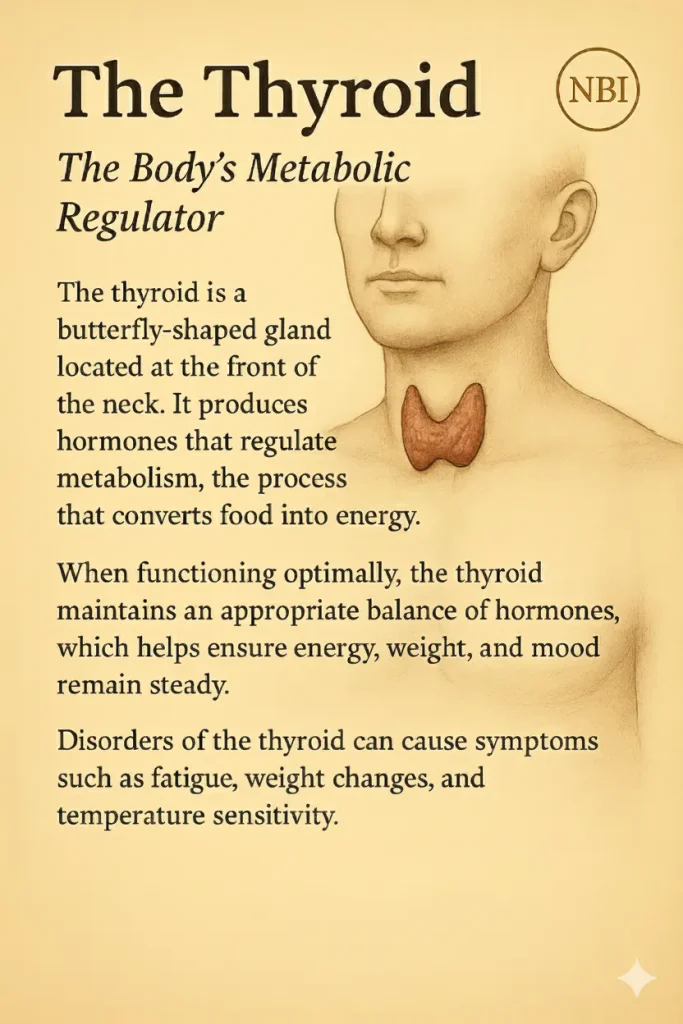
The thyroid produces hormones that help regulate energy use, temperature, growth and many aspects of metabolism. Its function interacts with signals from the brain, nutrition, stress, sleep and reproductive hormones. Natural Hygiene therefore considers thyroid health in the context of the wider endocrine and nervous-system picture.
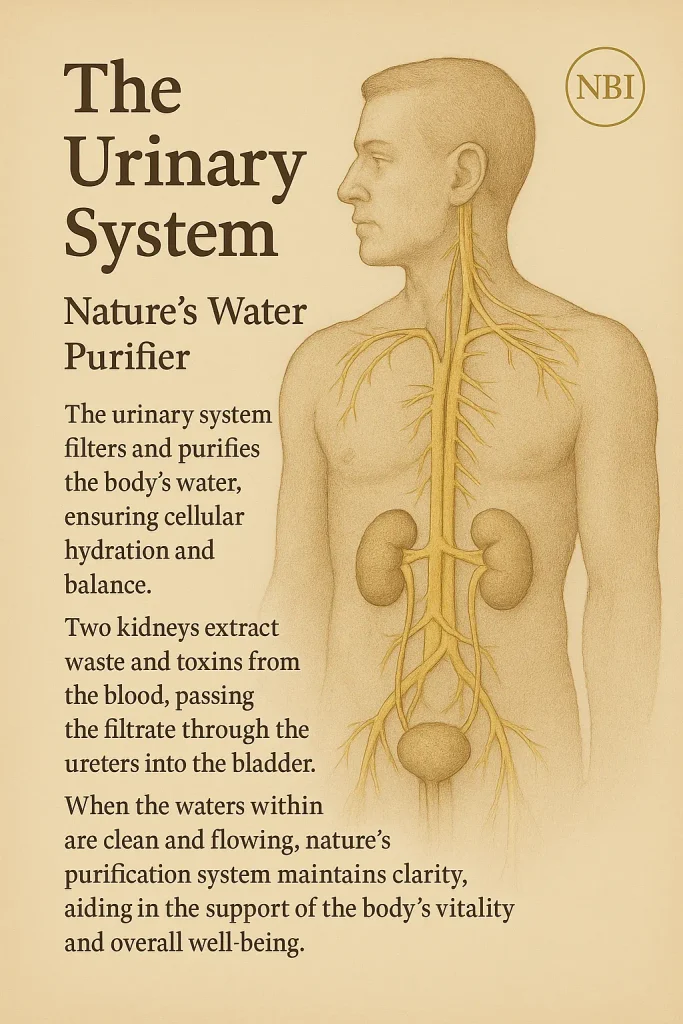
The urinary system includes the kidneys, ureters, bladder and urethra. Together they filter the blood, form urine and help regulate fluid and electrolyte balance. Natural Hygiene looks at urinary function alongside hydration, kidney health, circulation and the body’s broader processes of waste removal.
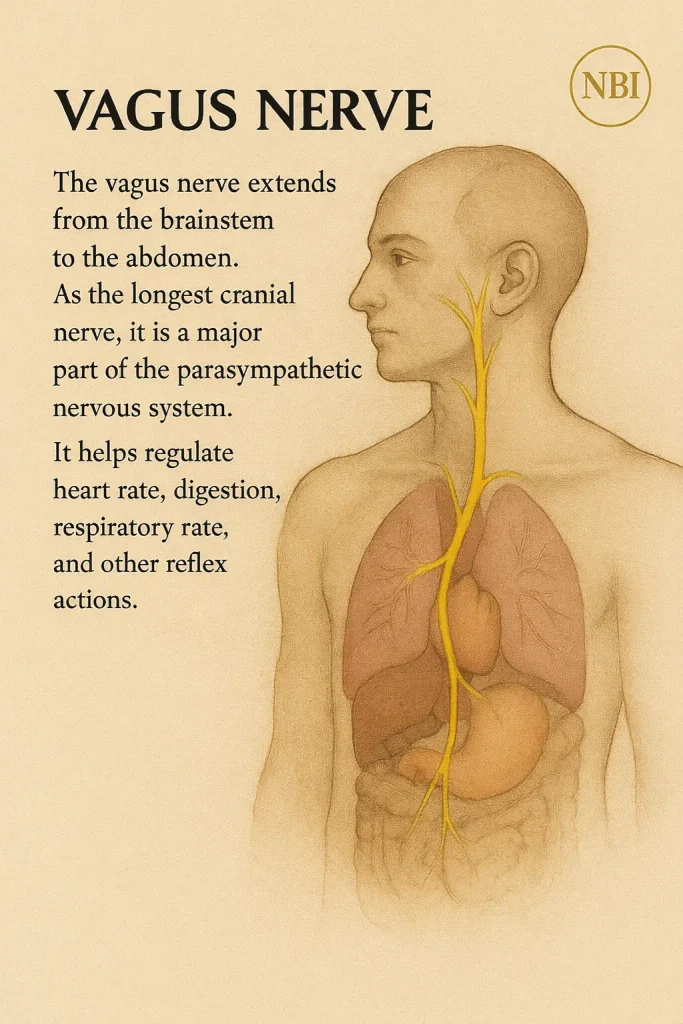
The vagus nerve is a major pathway of the parasympathetic nervous system, carrying signals between the brain and organs including the heart, lungs and digestive tract. It helps regulate heart rate, digestion and recovery-related functions, making it one of the clearest examples of whole-body communication.
If you are starting with something you can feel rather than a body system you already know about, begin with the Symptoms hub. It helps you explore common experiences such as fatigue, digestive discomfort, pain, sleep disruption, skin changes and breathing symptoms, then connects them back to relevant body systems and conditions.
Want Personal Guidance?
If you would like help looking at your health history, symptoms, food, sleep, stress, movement and lifestyle from a Natural Hygiene perspective, you can learn more about One-to-One Natural Hygiene Coaching or complete the free health questionnaire.