
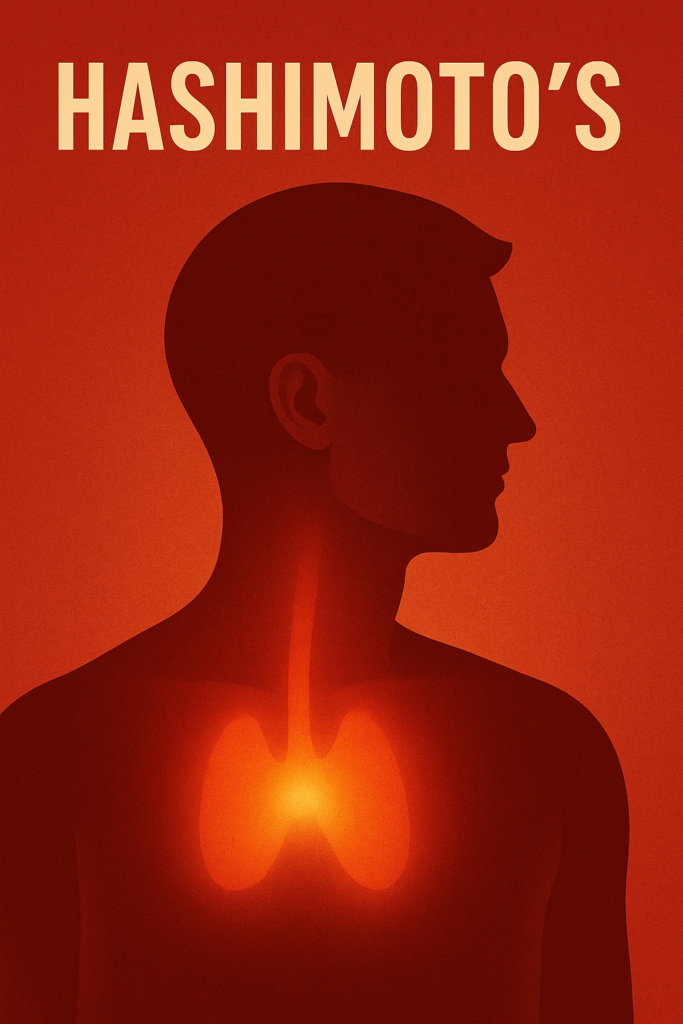
Hashimoto’s thyroiditis is often described as the immune system attacking the thyroid gland. In Natural Hygiene, this interpretation is reversed. The body does not attack itself. It protects itself. Hashimoto’s is not an act of self-destruction but a long-term adaptation to internal overload, nervous system exhaustion and chronic irritation that eventually affects thyroid function. When viewed through this lens, the condition becomes understandable, logical and deeply connected to the whole lifestyle of the individual.
The thyroid is one of the body’s most sensitive glands. It regulates metabolism, energy production and the rhythm of many bodily processes. Because it responds instantly to nervous system input, emotional stress, stimulants, sleep deprivation and dietary imbalance all influence its function. Over time, these factors can push the thyroid into a state of irregularity. Hashimoto’s reflects years of strain that the body has been trying to manage quietly.
One of the primary contributors is chronic toxemia. When the bloodstream becomes overloaded with metabolic waste, stimulants, processed foods, chemicals or environmental pollutants, every gland must work harder to maintain balance. The thyroid, being highly vascular and sensitive, is often affected first. Thickened blood, sluggish lymph, and an acidic internal environment all make it difficult for this delicate gland to operate efficiently. The tissues surrounding the thyroid may become congested, swollen or irritated. What is labelled as “inflammation” is simply the body’s effort to protect, buffer and repair.
Stress is another major factor. The thyroid and adrenal glands work in close partnership. When someone experiences prolonged stress, grief, anxiety or emotional overload, the adrenal glands remain activated. Over time this creates an internal environment of constant tension. The nervous system becomes fatigued. Digestion slows, sleep becomes light and irregular, and the thyroid responds by altering metabolism to conserve energy. In Natural Hygiene, this is not viewed as dysfunction but as the body adjusting its settings to survive chronic strain.
Hashimoto’s often appears in individuals who are highly driven, emotionally sensitive or who have experienced long periods of self-suppression. The throat region also symbolically represents communication, expression and truth. When someone carries unspoken emotions or lives in prolonged internal conflict, this can manifest physically as tension and stagnation in the throat and neck region. These emotional patterns affect blood flow, breathing and lymphatic movement around the thyroid, adding another layer of pressure.
Diet plays a significant role as well. Cooked fats, refined grains, animal products, processed foods and stimulants place a heavy burden on the digestive and lymphatic systems. When digestion is weakened by years of irregular meals, overeating or emotional eating, the bloodstream becomes polluted with partially digested residues. The thyroid must operate in this environment. Over time, it may become less responsive, more swollen or more tender as the body attempts to shield it from the circulating waste.
From the Natural Hygiene view, the idea that the immune system “attacks” the thyroid is incorrect. What is interpreted as autoimmune activity is actually the body’s effort to clean damaged tissue, break down waste deposits and restore order in an area that has been congested for too long. The presence of antibodies simply means the body is attempting repair. It is not a sign of hostility but of healing.
The first step in addressing Hashimoto’s naturally is to reduce the internal burden. This begins with rest. The thyroid cannot regulate energy properly when the nervous system is exhausted. Deep rest, early nights, silence and stillness create the conditions in which the gland can recalibrate. Many people notice that fatigue, brain fog and neck tightness improve significantly once true restorative rest becomes consistent.
Simplifying the diet is equally essential. A fruit-based diet provides hydration, minerals and easy digestion. When digestion rests, the bloodstream becomes cleaner and the lymphatic system can drain more freely. As the internal terrain clears, swelling around the thyroid reduces and the gland begins to regain responsiveness. Fasting can accelerate this process by allowing the body to devote all energy to repair rather than digestion.
Breathwork is especially beneficial. Deep nasal breathing stimulates the vagus nerve, calms the nervous system and increases circulation to the glands in the neck. Improved oxygenation supports thyroid tissue regeneration and reduces tension around the throat.
Emotional healing is also fundamental. Many individuals with Hashimoto’s carry unresolved emotional patterns, chronic self-pressure or suppressed communication. When these begin to shift, the throat region softens and energy flow improves. Speaking truth, reducing self-demand and creating emotional safety all contribute to thyroid recovery.
Cold exposure, harsh supplements and aggressive detoxification protocols often worsen symptoms by stressing the thyroid further. Natural Hygiene emphasises gentleness. The thyroid responds best to warmth, calm, sunlight, hydration and simplicity.
Hashimoto’s, when understood through Natural Hygiene, is not mysterious and not irreversible. It is a sign that the body has been overburdened for too long and is calling for a return to natural rhythms. When the diet is simplified, the emotions are acknowledged, the nervous system is calmed and rest becomes a priority, the thyroid gradually returns to balance. Healing is not about forcing the gland to behave but about restoring the conditions that allow it to function naturally.