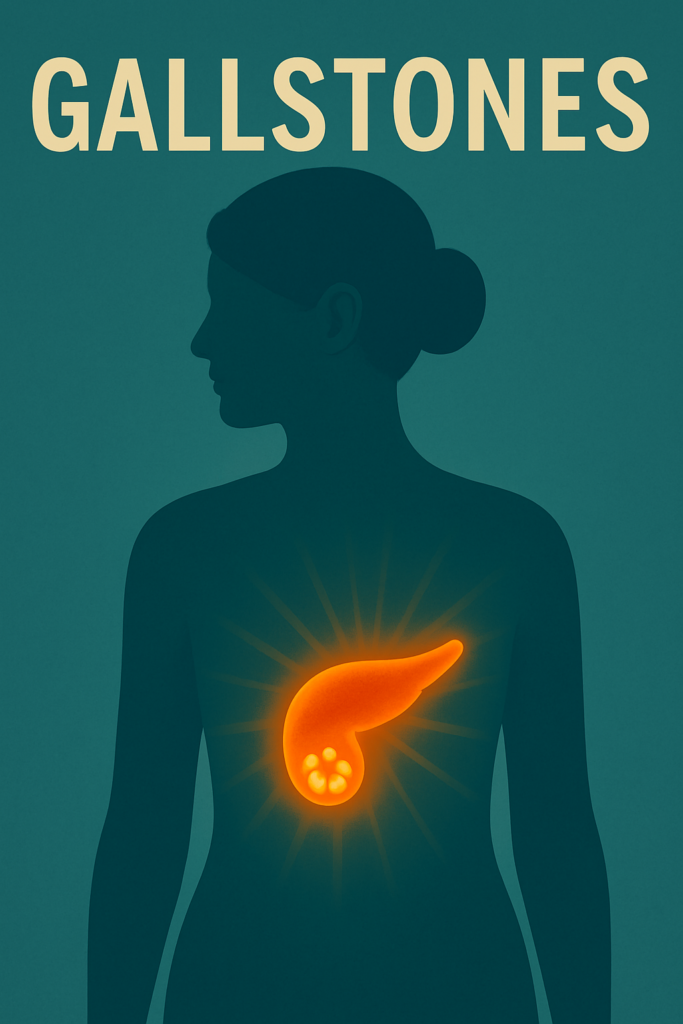
Gallstones are often treated as a sudden crisis, but from a Natural Hygiene perspective they are the predictable result of long-term digestive burden and internal congestion. The gallbladder is a small storage organ that holds bile produced by the liver. Bile is essential for breaking down fats, neutralising acidity and supporting the removal of metabolic waste. When the internal environment becomes overloaded, dehydrated or irritated, the bile thickens and stagnates. Over time this thickened material begins to harden into stones or sludge. Rather than being a failure, this is simply the body adapting to an unnatural load.
Gallstones form when the bile becomes too concentrated, which happens when the liver is under pressure. A diet heavy in oils, fats, dairy, processed foods, fried foods, salt and stimulants forces the liver to work harder than it was designed to. The liver produces thicker bile to deal with this load, and the gallbladder becomes a storage site for substances the body cannot process quickly enough. As the bile thickens, circulation through the gallbladder slows, and small stones begin to develop. Gallstones reflect not a “diseased gallbladder”, but an overwhelmed digestive terrain.
Pain occurs when the gallbladder attempts to contract strongly to release bile, but the bile is too thick or the stones block the passageway. This spasm is not random. It is the body’s way of trying to clear out a backlog of material so that digestion can continue. The intense pain is simply the body working hard to move something that has become too dense. When understood in this light, the gallbladder is not the enemy. It is performing exactly what it is designed to do.
Digestive stagnation is a major factor in gallstone formation. When meals are heavy, difficult to break down or eaten too frequently, the digestive system becomes overloaded. The stomach struggles to empty properly, the liver is flooded with metabolic waste, and the gallbladder is repeatedly signalled to contract before it has fully recovered. This constant demand leads to irritation and sluggish bile flow. Many people experience gallbladder discomfort after rich meals or late-night eating because the body is not ready to handle the extra load.
Hydration is central to gallbladder health. Bile becomes thick when the body is dehydrated. True hydration comes not from forcing down litres of plain water but from consuming foods rich in structured water, such as fresh fruits, leafy greens and raw juices. These foods deliver minerals and hydration directly into the cells, thinning the bile naturally and helping the body flush out accumulated material. When hydration improves, the gallbladder often begins to function more smoothly and discomfort reduces.
The lymphatic system also influences gallstone formation. When the lymph is stagnant, waste accumulates around the digestive organs, creating inflammation and pressure in the abdominal area. This increased pressure can restrict bile flow further, creating the ideal environment for gallstone development. Light movement, deep breathing and raw, hydrating foods help restore lymphatic mobility, giving the gallbladder more space to function.
Stress has a strong impact as well. When the body is in a stressed state, digestive secretions reduce and the liver becomes less efficient. Stress hormones change the way the body processes fats, often causing them to circulate longer in the bloodstream. The gallbladder, receiving inconsistent signals, becomes tense and reactive. Many people notice that gallbladder attacks occur during stressful life events. This is not coincidence. The body cannot digest effectively when it is bracing for survival.
Natural Hygiene offers a different approach to gallstones, one that works with the body rather than fighting it. Instead of focusing on removing the stones through force, the emphasis is placed on correcting the internal environment that allowed them to form. When the body is given rest, hydration and clean fuel, bile becomes thinner, flow improves and the gallbladder begins clearing itself naturally.
A period of fruit eating or gentle fasting can give the digestive system the break it desperately needs. During fasting, bile releases slowly and steadily, helping to soften and dissolve congestion. Even simple meals of fruit allow the liver to restore itself. As the digestive load decreases, the gallbladder begins to contract more effectively and discomfort gradually reduces.
Lemon water, raw juices, melons, grapes and watery fruits help hydrate the tissues and thin the bile. Bitter greens like rocket or dandelion, while not essential, can sometimes stimulate mild bile flow when used sparingly and gently. The majority of the work, however, is done by rest and simplification, not by adding more substances.
Movement also helps the gallbladder heal. Walking, stretching and deep breathing encourage circulation around the digestive organs and reduce internal stagnation. Many people feel relief simply by changing their posture, because cramped abdominal organs cannot function properly.
Gallstones are not a sign that the gallbladder is failing. They are a sign that the body needs lightness, simplicity and relief from digestive burden. When the internal conditions improve, gallbladder discomfort fades, bile flows more freely and stones often dissolve or pass without drama. The body always seeks harmony, and when supported correctly, it knows how to restore flow.