
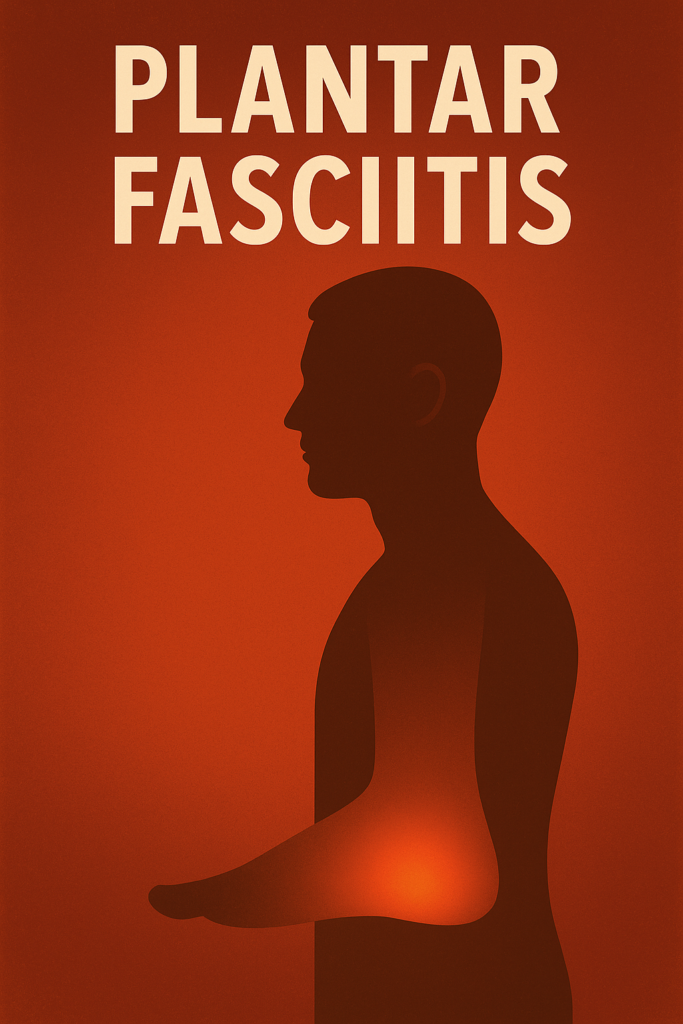
Plantar fasciitis is often described as inflammation or micro-tearing of the ligament running along the bottom of the foot. But from a Natural Hygiene perspective, this condition is far more than a localised foot problem. It is a message from the body that accumulation, internal pressure and systemic fatigue have reached a level where the tissues can no longer buffer the overload. Pain in the foot is simply the point where the strain becomes most visible. The deeper cause lies in circulation, toxicity, posture, nerve exhaustion and lifestyle burden.
The plantar fascia is a strong, fibrous band connecting the heel to the toes. It supports the arch of the foot and absorbs shock with every step. When the internal environment is clean, hydrated and balanced, this tissue functions with elasticity and resilience. But when the body is dehydrated, congested or tense, the fascia becomes tight, rigid and prone to irritation. Plantar fasciitis develops when the tissue has been chronically overstressed.
One of the primary contributors is systemic congestion. When the bloodstream is thick with waste from processed foods, stimulants, poor digestion or dehydration, tissues throughout the body lose flexibility. The feet, being the lowest point of circulation, are especially vulnerable to stagnation. Gravity pulls waste downward. If the lymphatic and circulatory systems are sluggish, toxins accumulate in the soles, heels and calves. The plantar fascia becomes irritated from this internal burden, not just from physical strain.
Tension in the calves, hamstrings or lower back significantly affects the plantar fascia. When these muscles tighten due to stress, inactivity or emotional strain, they pull on the fascia and increase tension along the sole of the foot. This creates micro-tears that the body attempts to repair. Morning foot pain, one of the classic signs of plantar fasciitis, occurs because the tissues stiffen overnight when circulation is slow and the fascia attempts to heal under pressure. The first steps of the day stretch the tissue abruptly, causing pain.
Postural habits contribute to the condition as well. When someone walks with collapsed arches, stiff hips or poor alignment, the plantar fascia absorbs shock unevenly. But these postural patterns rarely arise independently. They stem from fatigue, nervous tension or insufficient movement. The body becomes rigid when energy is low. The feet simply express the imbalance.
Another overlooked factor is dehydration. The fascia is composed of collagen fibres that depend on proper hydration to remain supple. When the body is chronically dehydrated from stimulants, cooked foods, salt, stress or insufficient fruit intake, the fascia becomes dry and brittle. This dramatically increases the risk of plantar irritation. True hydration from fruits helps restore elasticity and reduces friction within the tissue.
The nervous system plays a major role in plantar fasciitis. When the body is overstimulated, fatigued or anxious, muscles tighten and circulation diminishes. The fascia becomes rigid under sympathetic dominance. Many people notice their symptoms worsen during periods of emotional stress. This is no coincidence. The foot pain reflects the internal tension the body carries.
Digestive strain contributes as well. Heavy meals, eating too late, poor food combinations or inflammatory foods create toxic residues that circulate through the bloodstream. These irritate connective tissues and contribute to swelling, stiffness and pain. The feet often express these systemic issues because they are one of the furthest points for the body to clear metabolic waste.
In Natural Hygiene, plantar fasciitis is not treated by attacking the symptom but by relieving the internal terrain. The first step is rest. The feet need relief from weight-bearing activity, and the body needs relief from stress and stimulation. Light activity like gentle walking is fine, but anything that increases inflammation should be paused.
Dietary simplification is essential. A fruit-based diet reduces inflammation, hydrates the tissues and supports circulation. Fruits provide minerals and natural sugars that support nerve energy and tissue repair. When digestion lightens, more energy is available for healing. Many people experience significant reduction in foot pain after a few days of fruit eating.
Fasting can accelerate this process. When the body is not digesting food, it redirects energy to eliminating waste and repairing tissue damage. Inflammation decreases rapidly, and the fascia begins to soften as the internal chemistry shifts.
Stretching is helpful when performed gently and consistently. Calf stretches, toe lifts and light foot mobilisation improve circulation and relieve tension along the entire posterior chain. But stretching should never be forced. The fascia will release naturally as the internal environment becomes cleaner and more hydrated.
Breathwork supports healing by increasing oxygenation and reducing sympathetic tension. Deep, slow breathing calms the nervous system, allowing the muscles to relax and circulation to improve. The fascia, which is closely connected to the nervous system through mechanoreceptors, responds quickly to this shift.
Emotional release is often beneficial. People with plantar fasciitis frequently carry the emotional burden of “moving forward under pressure.” The feet symbolise direction, progress and support. When someone is overwhelmed, the feet may express this tension physically. When emotional pressures are lightened, physical symptoms tend to ease.
Natural Hygiene teaches that plantar fasciitis is not a random injury nor an isolated foot condition. It is the body’s intelligent attempt to slow the person down and redirect energy toward healing. When the internal burden is lowered, the fascia softens, pain decreases and mobility returns without force or invasive treatments.
The key is creating the right conditions: hydration from fruit, simplified eating, deep rest, gentle mobility and emotional ease. When these are prioritised, the body naturally restores flow, elasticity and comfort to the feet.