
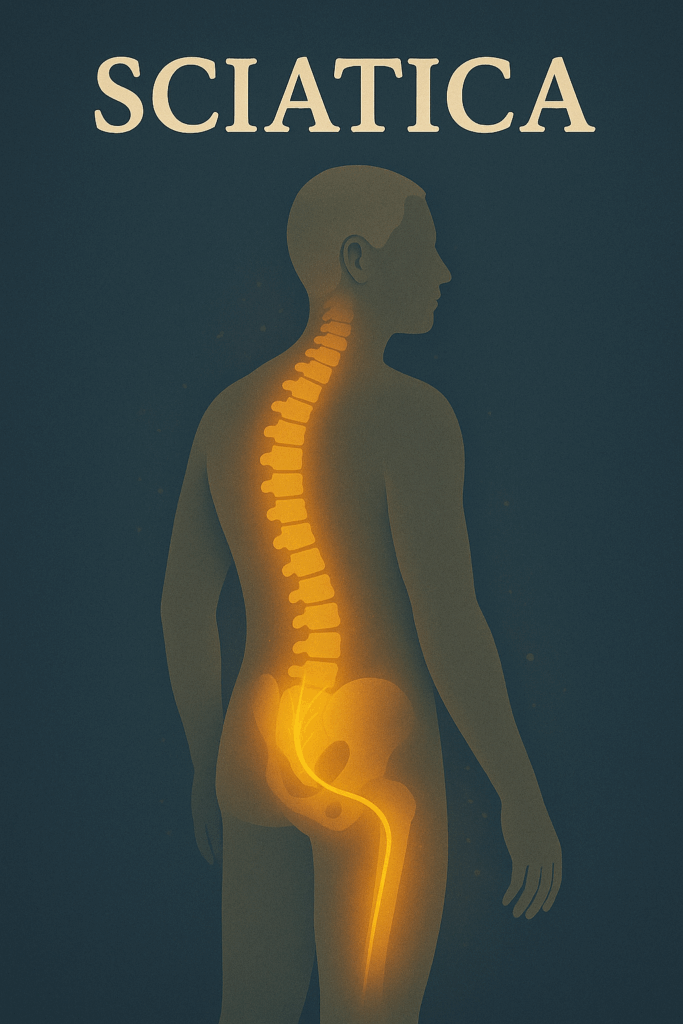
Sciatica is commonly described as a nerve problem, something caused by a slipped disc or a trapped nerve in the lower back. But from a Natural Hygiene perspective, the body never malfunctions without reason. Pain along the sciatic nerve is not simply a structural issue. It is a message from the body that pressure, inflammation, and internal load have reached a point where the nervous system can no longer remain silent. Sciatica is the body calling for decompression, rest, and a reduction in the internal burdens that have built up over time.
The sciatic nerve is the longest and thickest nerve in the body. It travels from the lower spine through the pelvis, down the buttock, and into the leg. When this nerve becomes irritated, inflamed, or compressed, the body produces sharp, burning, or radiating pain to force awareness. This is not punishment. It is intelligent communication. The body is saying that the conditions it relies upon have shifted too far out of balance.
One of the biggest contributors to sciatica is chronic tension. Modern life places a heavy load on the lower back and pelvis. Prolonged sitting, tight hip muscles, weak abdominal support, and stress stored in the lower spine all create compression. Over time, this pressure reduces circulation to the tissues surrounding the sciatic nerve. Waste products begin to accumulate. Muscles tighten further. The body eventually triggers pain to protect itself. What we call sciatica is often the result of years of physical habits that restrict natural movement.
Inflammation plays a major role too. The sciatic nerve becomes highly sensitive when the internal environment becomes acidic or congested. A diet filled with processed foods, heavy fats, and stimulants increases inflammatory load. Lack of rest and emotional stress elevates tension throughout the nervous system. When the body becomes overburdened, it directs excess waste to the connective tissues. This causes swelling, stiffness, and nerve irritation. Sciatica appears not because the nerve is faulty but because the internal terrain needs clearing.
Postural imbalance is another factor. The pelvis is the foundation of the spine. When the pelvis tilts or rotates due to tight muscles or improper movement patterns, pressure lands on the sciatic nerve. The body tries to compensate, but eventually pain is the only way to signal that the foundation needs realignment. No drug can correct this. Only movement, rest, and a return to natural body rhythms can bring the system back into harmony.
From a Natural Hygiene viewpoint, sciatica is also linked to energy depletion. The nervous system requires a steady supply of oxygen and nutrients, which flow freely only when circulation is unobstructed. Stress, digestive overload, poor sleep, and dehydration weaken these pathways. When energy is diverted away from repair and towards constant survival, the nerves start to suffer. Sciatica acts as a loud reminder that the system is overstretched and undernourished.
Healing sciatica begins with reducing the internal load. Rest is essential. The body needs time without compression or tension so the inflammation around the sciatic nerve can settle. Lying flat, gentle stretching, slow walking, and avoiding prolonged sitting help the body restore natural alignment. Nature designed the body to move, breathe, and decompress throughout the day. When we return to these patterns, the pressure around the nerve reduces.
Hydration and nourishing foods are also key. Fresh fruits, leafy greens, coconut water, and simple meals support detoxification and reduce inflammation. Heavy, cooked, or processed foods slow the healing process because they demand too much digestive energy. A lighter diet frees up the body’s resources and allows more energy to go into tissue repair.
Breathing is another powerful element. Deep, slow breathing increases oxygen flow to the muscles of the lower back and hips. This softens tension and reduces the compression around the nerve. The sciatic nerve responds quickly to improved circulation. Breathwork also lowers stress, which is crucial because stress tightens every muscle group in the pelvis and lower spine.
Movement must be gentle and intentional. The body heals best when it feels safe. Walking in nature, soft stretching, hip opening exercises, and simple mobility movements help restore space around the nerve. The goal is not to force the body but to create ease. As inflammation reduces and circulation improves, the sciatic nerve becomes less reactive.
Emotionally, sciatica often appears during times of heavy responsibility or suppressed frustration. The lower back relates to support, security, and stability. When a person carries too much or feels pushed beyond their limits, the body reflects this tension. Recognising emotional load can help the spine and pelvis relax, allowing healing to deepen.
Sciatica is not just a mechanical issue. It is a holistic signal that the body is under pressure, physically and emotionally. When we honour the body’s call for decompression, nourishment, rest, and relief from overload, the pain begins to fade. The body always knows how to heal. Sciatica is simply its way of calling us back to natural alignment and ease.