
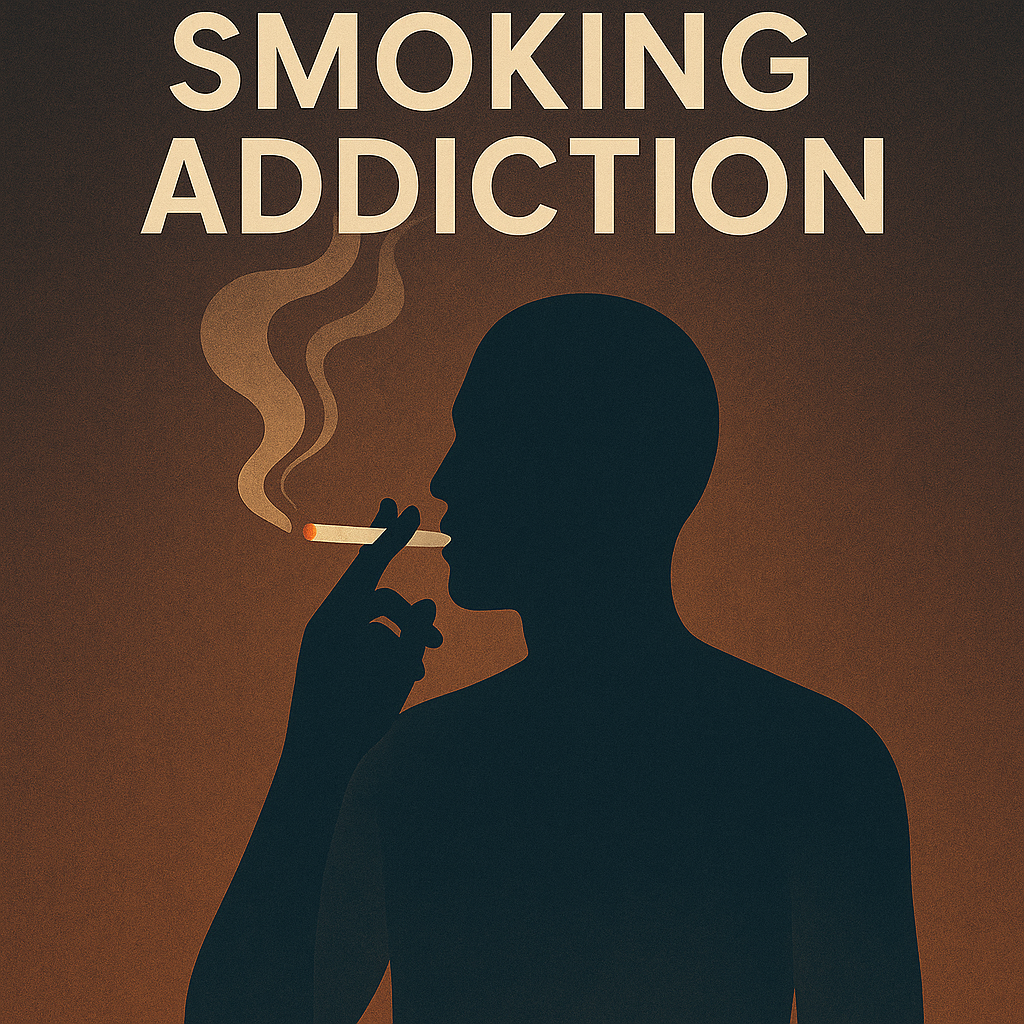
Smoking Addiction: The Body’s Call for Relief from Overload
Smoking addiction is often described as a psychological habit or a nicotine dependence. But through the lens of Natural Hygiene, smoking is not simply a matter of weak willpower or chemical hooks. It is a symptom of a system already under too much pressure. Smoking becomes a coping mechanism for a body and mind struggling with internal overload, emotional tension, toxic accumulation, and a lack of genuine vitality. The addiction is not the problem. It is the visible expression of much deeper imbalances.
Humans do not naturally crave smoke. The body is designed for fresh air, full oxygenation, clear breathing, and unimpeded movement of energy. When someone becomes dependent on smoking, it is because the cigarette temporarily alters the internal state in a way that feels relieving. The deeper question is why relief is needed in the first place.
Nicotine provides a quick stimulation that the body mistakes for energy. It speeds up circulation for a moment, sharpens focus, lifts the mood, and distracts from fatigue. But every one of these changes is borrowed from the body’s own reserves. Nicotine does not provide energy. It forces the body to release it. Each cigarette drains the system a little more, leading to deeper exhaustion. This exhaustion triggers the next craving. Smoking addiction is therefore a cycle of depletion and temporary stimulation. The body cries out for support, and the person reaches for the only tool that seems to work quickly.
From a Natural Hygiene perspective, addiction always arises from a lack of genuine vitality. When the body is burdened with toxins, poor diet, emotional stress, stagnation, and chronic tension, the natural systems of regulation begin to falter. Breathing becomes shallow. Circulation slows. Energy levels drop. The nervous system becomes fragile. In this weakened state, stimulants feel necessary because they temporarily mask the fatigue. Smoking is simply one of the most common forms of self-medication for an already exhausted system.
Emotions play a powerful role too. Many people smoke not only for the nicotine but for the pause it provides. A cigarette becomes a ritual, a breath of escape, a moment where the person can step away from pressure. The inhalation of smoke forces a long, slow breath, something most people rarely experience in daily life. Without realising it, smokers are using cigarettes to regulate their nervous system. The calming effect they associate with smoking is not the cigarette itself. It is the breathing pattern that accompanies it. The body is desperate for oxygen, but the person unconsciously learns to associate relief with the smoke rather than the breath.
Smoking also reflects an internal environment struggling to eliminate waste. Nicotine and smoke introduce toxins that the body must immediately attempt to remove. The lungs, liver, and lymphatic system all work overtime to break down and expel these chemicals. This increases mucus production, inflammation, and oxidative stress. As the internal burden increases, the need for stimulation increases as well. Smoking addiction becomes a loop where toxicity creates fatigue, fatigue creates cravings, and cravings introduce more toxicity. The body is caught in a constant fight to maintain balance.
Natural Hygiene views this addiction with compassion. The body is not fighting the smoker. It is trying to protect them. Each cough, each moment of breathlessness, each sign of inflammation is the body pushing back against what it cannot use. These symptoms are not punishments. They are expressions of the body’s intelligence working to defend itself.
Healing smoking addiction begins by restoring vitality. The stronger and cleaner the body becomes, the less it needs artificial stimulation. The goal is not simply to stop smoking but to make cigarettes irrelevant by removing the internal conditions that create the cravings.
The first step is nourishment. A body that is depleted will always reach for stimulation. Fresh fruits, hydrating foods, green juices, and mineral rich meals help restore energy in a natural way. When the body begins to receive real nutrition, the intensity of cravings often decreases because the person finally feels the energy that smoking was attempting to mimic.
Hydration is essential. Smoking dehydrates the body and thickens the blood, making circulation heavier and slower. Water, fresh juices, and water rich foods thin the blood, increase oxygen flow, and help the body remove the toxic residues that fuel addiction. When the internal environment is hydrated, the lungs start to loosen mucus and the body becomes more comfortable without the stimulant.
Breathing is one of the most powerful tools in overcoming smoking addiction. The person must relearn what it feels like to breathe fully without the presence of smoke. Deep breathing exercises send oxygen into every cell, calm the nervous system, and provide the same sense of relief that smokers seek from a cigarette. When the breath becomes a source of comfort, smoking becomes less necessary.
Rest is another pillar. Many smokers turn to cigarettes when tired or overwhelmed because nicotine temporarily boosts energy. True rest restores energy naturally. Better sleep, quieter evenings, and time away from constant stimulation allow the body to build vitality. As the internal battery recharges, the need for external stimulants fades.
Emotionally, smoking addiction is often tied to stress relief. Learning healthier ways to release emotional tension is crucial. Nature, sunlight, walking, grounding, stretching, and moments of quiet help unwind the nervous system. When stress decreases, cravings decrease as well.
Understanding the deeper message behind the addiction is empowering. Smoking is not a sign of weakness. It is a sign of internal imbalance. It is the body revealing that it needs support, nourishment, clarity, and space to breathe. When these needs are met, addiction becomes unnecessary.
Natural Hygiene does not shame or judge. It honours the intelligence of the body. Smoking addiction is simply a survival strategy that has outlived its usefulness. When the internal terrain is cleaned, energised, hydrated, and restored, the body naturally moves away from the substances that harm it. The desire to smoke fades because the person no longer needs the false energy or the forced relief.
Healing happens when we listen. Smoking addiction is the body’s call for relief from overload and a return to real vitality.