
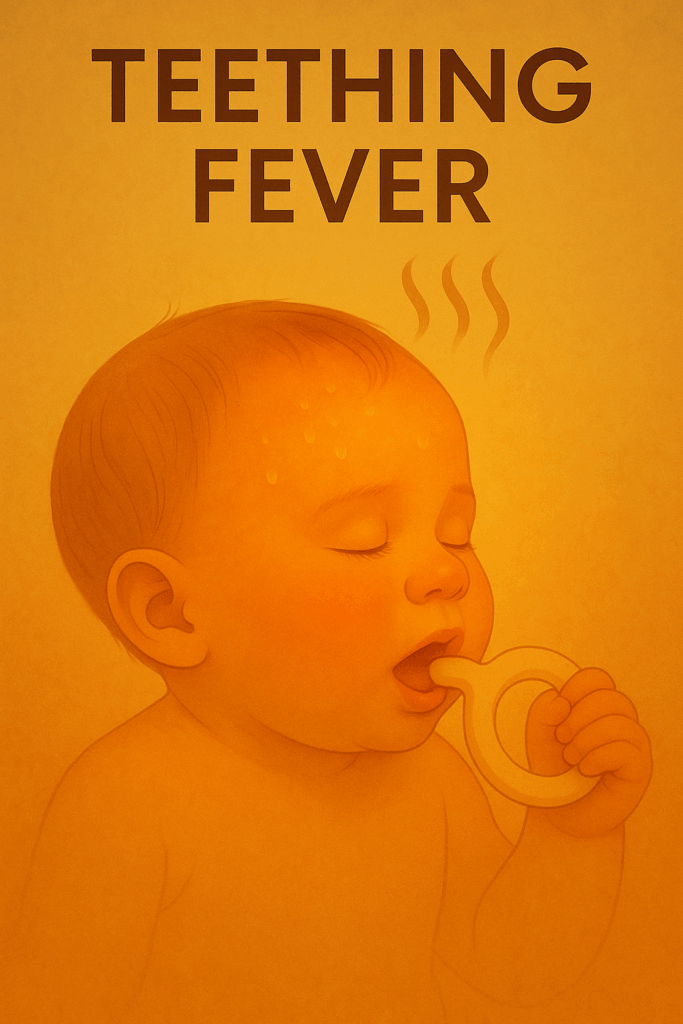
Teething Fever: The Body’s Call for Growth, Cleansing, and Developmental Adjustment
Teething fever is one of the most misunderstood events in early childhood. Many parents worry that something is wrong when a baby develops a warm body, flushed cheeks, restlessness, or disrupted sleep during teething. But from a Natural Hygiene perspective, teething fever is neither dangerous nor a sign of illness. It is a natural and intelligent action of the developing body. Babies grow at an extraordinary rate, and the eruption of new teeth demands major internal changes. The body uses warmth, increased circulation, and accelerated metabolic activity to support this transformation. Teething fever is simply a sign that growth is under way.
When a tooth pushes upward through the gum, the body increases blood flow to the area. This helps soften the tissue and allows the tooth to emerge smoothly. The increased circulation produces warmth not only in the gums and cheeks but throughout the body. The baby may feel hot, flushed, or slightly feverish. This rise in temperature is purposeful. It speeds up tissue remodelling, supports immune activity, and helps the body manage the increased waste produced during growth. Teething places a temporary workload on the body, and fever is one of its most efficient tools.
It is important to remember that babies eliminate through their skin much more readily than adults. When the body is under extra pressure, whether from growth, digestion, or metabolic waste, it uses the skin as an outlet. This is why many babies develop rosy cheeks, warm foreheads, or mild sweating during teething. It is simply the body releasing the heat and by-products of rapid development. This process is not harmful. It is protective.
Another reason teething may trigger a fever is the shift in the child’s internal terrain. As teeth develop and move upward, the lymphatic system works harder to clear the tissues around the face, neck, and gums. The lymphatic system is the body’s drainage network. When it processes more waste, it naturally increases internal temperature to support the process. Babies are especially sensitive to these internal shifts, so the warmth they produce is easily felt by parents. Again, this is not sickness. It is detoxification and development working together.
Babies also tend to put many objects into their mouths during teething. This is not simply behavioural. Chewing increases blood flow and relieves pressure from the teeth pushing through the gums. The body instinctively guides babies to do what supports the process. It also uses mild fever to maintain a clean environment. Warmth discourages the growth of harmful microbes and assists the body in keeping the mouth healthy during this stage. What appears to be a fever is actually a controlled, intelligent action designed to keep the child well.
Teething fever can also be linked to digestive changes. As babies begin transitioning from milk to soft foods, their digestive systems are still developing. New foods introduce new digestive demands. When the body is adapting to these changes while also supporting tooth eruption, it may temporarily increase temperature to enhance enzyme activity and support digestion. The warmth is part of the adjustment, not a sign of disease.
From the Natural Hygiene viewpoint, fever is the body’s cleansing and regulating mechanism. It is not an attack on the child. It is a sophisticated response that protects and supports them. For this reason, teething fever should never be suppressed with medication. Suppression interferes with the natural processes of growth and cleansing. It forces the body to redirect energy away from development and into managing the chemical load of the medication. This can prolong discomfort and weaken the child’s natural resilience.
Teething fever is typically mild and short-lived. Babies may become clingy, irritable, or have disturbed sleep. They may drool more than usual, chew on their hands, or pull at their ears. These behaviours are natural ways of coping with the pressure in the gums. To support the child, parents can provide cool, clean objects for chewing, ensure the baby stays hydrated, and create a calm environment that reduces sensory overwhelm. The body does the rest.
Hydration is especially helpful during teething. The body is working harder, producing more waste, and warming itself. Fluids help thin lymph, support detoxification, and keep the child comfortable. For breastfed babies, simply offering more feeds naturally increases hydration. For older babies, small sips of water can assist the process.
Rest is equally important. Growth happens most rapidly during sleep. When a baby is teething, offering extra naps, earlier bedtimes, and a quiet atmosphere helps the body concentrate on development. The more rested the child is, the easier the teething process becomes.
Parents should observe their baby with calm awareness rather than fear. The body gives clear signs when something is outside the normal range. Teething fever is gentle, consistent with the timing of tooth eruption, and not accompanied by severe symptoms. It comes and goes naturally. A truly concerning fever behaves differently. It is higher, more persistent, and accompanied by unusual symptoms. But genuine teething fever remains within a safe range and resolves when the tooth breaks through.
Teething is a remarkable developmental milestone. It signals the growth of new digestive abilities, the strengthening of the jaw, and the child’s ongoing adaptation to the external world. Fever, warmth, restlessness, and drooling are simply the visible signs of this powerful transition. When parents understand what the body is doing, fear dissolves. Confidence replaces worry.
Natural Hygiene teaches that the body is always wise. It never creates a process without purpose. For a growing child, fever is a sign of progression, not regression. It is one of nature’s oldest and most effective tools for growth and cleansing.
When parents allow the body to work, support the environment, and trust the process, teething becomes far less stressful for both parent and child. The baby moves through the phase with resilience and emerges stronger as each new tooth arrives.