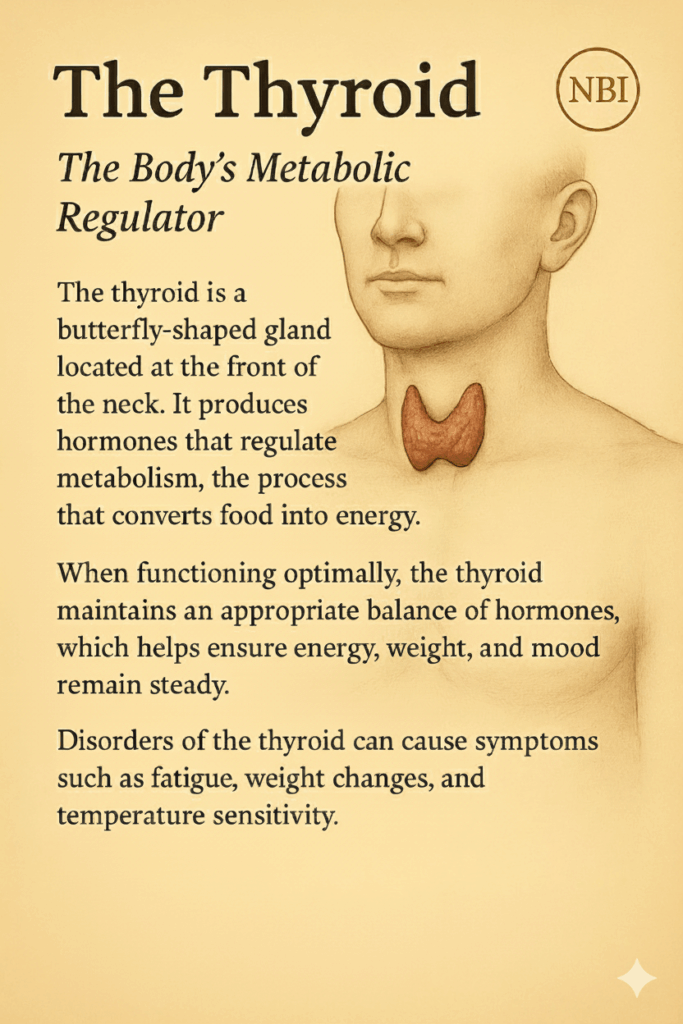
The thyroid is a small butterfly shaped gland located in the neck, yet it influences every system of the body. It regulates metabolism, energy production, temperature, cardiovascular rhythm, digestion, growth, reproductive balance and even emotional steadiness. When the thyroid struggles, the consequences ripple throughout the entire body. Thyroid disorders are among the most common hormonal imbalances worldwide, and rates continue to rise each year.
Although conventional health systems often treat thyroid problems as isolated gland issues, the thyroid is deeply responsive to the whole internal environment. Stress load, diet, toxins, emotional strain, chronic inflammation and poor sleep all affect how well the gland can function. Understanding thyroid disorders requires a look not only at the gland itself but at the global and societal conditions that are driving these imbalances.
Types of Thyroid Disorders
Thyroid conditions fall into several main categories, each with its own patterns and symptoms.
Hypothyroidism
This is an underactive thyroid. The gland does not produce enough thyroid hormones to maintain normal metabolic speed. Symptoms include fatigue, weight gain, cold sensitivity, dry skin, hair thinning, constipation, low mood, slower cognition and menstrual irregularities. Hypothyroidism is the most common thyroid disorder, especially among women.
Hyperthyroidism
In this state the thyroid becomes overactive. It produces too much hormone, pushing the body into an accelerated metabolic state. Symptoms include anxiety, weight loss, trembling, fast heart rate, heat intolerance, diarrhoea, insomnia and irritability.
Two patterns of thyroid disturbance are most commonly observed worldwide.
Hashimoto-type thyroid suppression
This pattern involves gradual slowing of thyroid function. From a Natural Hygiene perspective, this reflects long-term systemic congestion, irritation, and metabolic overload affecting thyroid tissue and hormone signalling, rather than the body “attacking itself.”
Graves-type thyroid overstimulation
This pattern involves excessive thyroid activity. It is understood as a state of heightened stimulation and stress signalling within the body, often linked to chronic nervous strain, toxicity, and endocrine imbalance, rather than an internal defence malfunction.
So-called “autoimmune” thyroid labels have become increasingly common, particularly in industrialised societies. Natural Hygiene views this rise as a consequence of lifestyle factors such as chronic stress, dietary excess or deficiency, toxic exposure, inadequate rest, and impaired elimination, which together disrupt the body’s regulatory balance and thyroid expression.
Rather than being a case of self-destruction, thyroid conditions are seen as adaptive responses by the body attempting to maintain equilibrium under prolonged strain.
Thyroid Nodules and Cancer
Nodules are small growths within the thyroid. Most are benign, but a small percentage can become cancerous. Thyroid cancer is the most rapidly rising cancer in many countries, partly due to increased screening but also connected to environmental and dietary factors.
Who Is Most Affected
Thyroid disorders do not affect all groups equally.
1. Women
Women are five to eight times more likely to develop thyroid problems. The gland is sensitive to hormonal fluctuations during puberty, pregnancy and menopause.
2. Older Adults
Thyroid disorders increase with age, although many cases go undiagnosed because symptoms resemble normal ageing.
3. People with High Stress Loads
Chronic stress suppresses thyroid function, disrupts hormone conversion and places extra pressure on the adrenal glands.
4. Areas with Iodine Deficiency or Excess
Both too little and too much iodine can affect thyroid function, depending on regional diet and soil quality.
5. People with Chronic Inflammation or Poor Gut Health
The thyroid is closely linked to digestive health, thyroid balance and systemic inflammation. Poor diet, heavy food, stimulants and long term digestive stagnation all affect thyroid harmony.
Implications and Dangers of Thyroid Disorders
Thyroid problems can affect every organ system. When left untreated or misunderstood, they can create long term health consequences.
Cardiovascular Stress
Hyperthyroidism can lead to arrhythmia, high blood pressure and increased risk of stroke. Hypothyroidism can raise cholesterol and slow heart function.
Reproductive and Hormonal Disruption
Thyroid imbalances affect menstrual cycles, fertility, pregnancy and postpartum recovery. Many women with thyroid disorders experience irregular cycles, difficulty conceiving or complications during pregnancy.
Mental and Emotional Health
Low thyroid function can cause depression, low motivation and brain fog. Overactive thyroid can trigger anxiety and irritability. Many people receive treatment for mental health symptoms without realising the thyroid is involved.
Metabolic Disturbance
Weight gain, difficulty losing weight, cold intolerance, poor digestion, constipation, cravings and low energy are all linked to thyroid activity.
Developmental Effects in Children
Severe thyroid imbalance during pregnancy or early life can affect growth, brain development and long term health.
Global Distribution: Which Countries Have the Highest Rates
Thyroid disorders vary widely by region due to diet, soil quality, environmental toxins, cultural habits and healthcare access.
Highest Hypothyroidism Rates
Countries with high hypothyroidism prevalence include:
- United States
- United Kingdom
- Canada
- Australia
- India (especially women)
- Russia
- Brazil
These regions often show patterns of high stress, processed food diets, sleep disruption and rising thyroid related disease.
Highest Thyroid Disease Rates
Graves’ and Hashimoto’s disease are disproportionately common in industrialised nations. The highest documented prevalence is found in:
- Japan
- United States
- Western Europe
- Scandinavian countries
- South Korea
The reasons include environmental pollutants, stress, ultra-processed diets and chemical exposure.
Iodine Deficiency Regions
Although worldwide salt iodisation programmes have improved iodine levels, several countries still struggle with deficiency, including:
- Ethiopia
- Madagascar
- Sudan
- Vietnam
- Nepal
- India (certain states)
These regions may see goitre, developmental issues and metabolic slowing when iodine intake is low.
Iodine Excess Regions
Too much iodine can drive thyroid reactions. Areas with naturally iodine rich soil or very high seaweed consumption include:
- Japan
- South Korea
- Coastal China
Both deficiency and excess increase thyroid vulnerability.
Why Thyroid Disorders Are Rising Worldwide
Several global trends are contributing to the rise in thyroid imbalances.
1. Increased Stress
Modern life places constant pressure on the nervous system. Stress hormones interfere with thyroid hormone production and conversion.
2. Diets Far from Human Biological Design
Processed foods, stimulants, heavy meals and low fruit intake create metabolic and digestive burden.
3. Environmental Toxins
Pollutants, plastics, pesticides and heavy metals accumulate in the body and affect hormonal balance.
4. Poor Sleep and Circadian Disruption
Late nights, screens and artificial light interfere with the hormonal rhythm that guides thyroid activity.
5. Rising Thyroid Inflammatory Issues
Chronic inflammation and dysregulation underpin a large portion of thyroid disease today.
Conclusion
The thyroid is small but extraordinarily influential. Disorders of this gland affect millions globally, and rates continue to rise as modern lifestyles move further from natural human rhythms. Understanding thyroid disorders requires both a biological and a societal perspective. By restoring balance through diet, sleep, stress reduction, cleaner environments and natural lifestyle habits, many people can support healthier thyroid function and improve overall wellbeing.