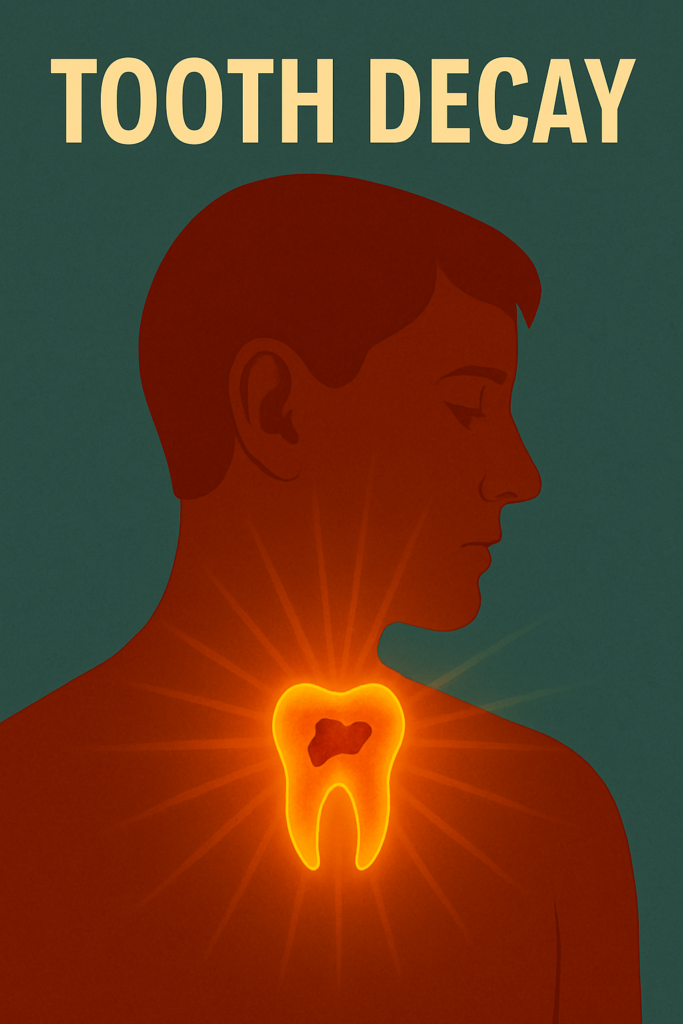
Tooth decay is often described as a simple mechanical process where bacteria attack the teeth, but from a Natural Hygiene perspective it is a much deeper expression of internal imbalance. The teeth are living structures connected to the bloodstream, nerves and lymphatic channels. They reflect the state of the entire internal terrain. When decay appears, it is not because the body is failing. It is because the internal chemistry has shifted into a state that no longer nourishes and protects the teeth.
The enamel of the teeth is the hardest substance in the body, yet it relies on a continuous supply of minerals to stay strong. The body maintains this mineral balance through the saliva. Saliva is designed to neutralise acids, wash the teeth and deliver minerals that rebuild microscopic wear. When someone eats a natural diet of fruits, leafy greens and mineral-rich foods, the saliva stays alkaline and generous in its mineral supply. Tooth decay becomes rare in such conditions. Problems arise when the internal terrain becomes acidic, dehydrated or overloaded with unnatural foods.
One of the major contributors to tooth decay is a modern diet that is too dense, too sticky and too frequent. Processed foods, refined sugars, flours, cereals, oils, cooked starches and constant snacking leave behind residues the saliva cannot neutralise quickly. These substances also draw minerals from the body to buffer their acidity. Over time, the teeth lose more minerals than they gain. The enamel softens, microscopic pits form, and decay begins. This process reflects an internal imbalance long before it becomes visible on the surface of the tooth.
Hydration also plays a central role. Saliva is composed largely of water, and when the body is dehydrated, the saliva becomes thicker and less effective. It cannot wash the teeth properly or deliver minerals efficiently. Dehydration also increases acidity in the mouth. Many people unknowingly live in a dehydrated state due to stimulants, processed foods or inadequate consumption of hydrating fruits. When the saliva dries, tooth decay accelerates.
The body’s mineral reserves influence the teeth more than most people realise. When the diet is acidic or emotionally stressful, the body uses minerals such as calcium, magnesium and potassium to maintain chemical stability. These minerals are drawn from the bones and teeth if dietary intake is insufficient. This is why people under chronic stress or eating heavy, cooked or processed diets often notice tooth sensitivity or rapid decay. The body is using minerals faster than they are being replaced.
Tooth decay also reflects the state of the lymphatic system. The lymph drains waste from the tissues, including the gums. When the lymph is sluggish due to inactivity, poor circulation or an unnatural diet, waste accumulates around the gums. This leads to inflammation, receding gums and increased susceptibility to decay. Gum disease and tooth decay often appear together because they are driven by the same internal congestion.
Another overlooked factor is mouth-breathing. Breathing through the mouth dries out the saliva, reduces oxygenation and alters the pH of the oral environment. Many people breathe through their mouth during sleep, during stress or when they have nasal obstruction. This increases the risk of decay regardless of diet. Nasal breathing moisturises the air, supports relaxation and maintains a naturally protective layer of saliva around the teeth.
Natural Hygiene emphasises that tooth decay is not caused by a lack of brushing or flossing. While oral hygiene helps remove residue, it does not correct the internal terrain that allowed decay to develop in the first place. True healing comes from restoring mineral balance, hydration and internal chemistry. The teeth can remineralise when the conditions are right. Enamel, although unable to regenerate once deeply damaged, can reharden, strengthen and resist further decay when the body is nourished properly.
Fruits play an important role in tooth health, despite common fears around natural sugars. Fresh fruits clean the mouth, hydrate the tissues and provide easily absorbed nutrients. Their natural acids are not harmful when eaten as whole fruits because the body’s saliva quickly neutralises them. The real issue arises when fruits are combined with cooked foods, processed foods or sticky starches, or when someone grazes all day without allowing the saliva to recover.
Simplifying the diet helps the body restore its internal mineral balance. Eating meals of fruit, leafy greens and raw foods reduces acidity and supports the body’s natural remineralisation cycles. Hydrating foods increase saliva production, which protects and repairs the teeth. Even short periods of fruit-only days can make a noticeable difference in sensitivity and gum health.
Rest also plays a role in tooth healing. The body repairs tissues, balances minerals and recalibrates chemistry during sleep. Poor sleep or chronic stress disrupts these cycles and increases acidity in the body. Many people find that once they improve their sleep habits, their teeth become less sensitive and their gums begin to heal.
Tooth decay is a message from the body that the internal environment needs attention. It is not a sign of weakness or genetic failure. It is a call for cleaner fuel, more hydration and a calmer nervous system. When we address the underlying terrain, the mouth responds quickly. The gums become pink and firm, the sensitivity fades and the teeth regain their strength. The body always seeks balance, and tooth decay is one of the ways it asks for support.