
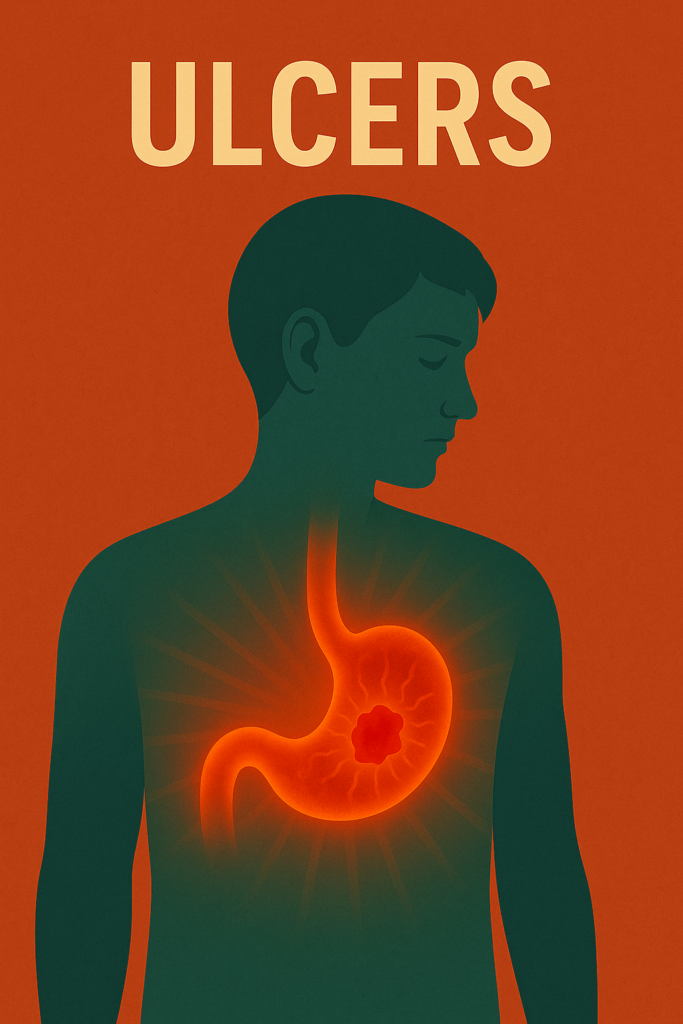
Ulcers are often spoken of as isolated wounds that appear in the stomach or intestines, but from a Natural Hygiene perspective they represent a deeper message about irritation, stress and internal overload. An ulcer is essentially an area where the protective mucous lining has been eroded, leaving the tissue beneath exposed and inflamed. This does not happen randomly. It develops when the internal terrain has become acidic, tense and exhausted. The body produces ulcers not as a failure, but as a sign that it has been working under strain for too long.
The digestive tract is lined with a natural cushioning layer that protects it from acids and friction. When the body is in balance, this layer regenerates constantly. However, when someone consumes foods that irritate the stomach such as stimulants, oils, spicy foods, alcohol, processed foods or acidic combinations, the lining becomes inflamed. If these irritants continue, the body struggles to produce enough protective mucus. Eventually, a weak spot forms and the tissue beneath becomes exposed. This exposed tissue is what we call an ulcer.
Stress is one of the most powerful contributors to ulcer formation. Stress reduces blood flow to the digestive organs, weakens mucus production and increases the release of stomach acid. The body prioritises survival over digestion, and when this pattern happens repeatedly, the delicate tissues of the stomach and intestines begin to suffer. Many people develop ulcers during times of emotional upheaval, pressure or unresolved tension. The body is expressing what the mind is holding.
Hydration is another central factor. The mucous membrane is made mostly of water, and it becomes thin and fragile when the body is dehydrated. Dehydration occurs not merely from lack of water but from consuming dehydrating foods and stimulants. Coffee, black tea, alcohol, cooked starches and processed foods draw water from the tissues. Over time, the digestive tract becomes dry and more vulnerable to friction and irritation. Natural Hygiene teaches that hydrating foods like fruit and raw vegetables help restore the mucus layer and allow the tissues to repair.
Acidity in the body also plays a major role. Acid-forming foods require the body to neutralise them, and the digestive tract often bears the brunt of the effort. When the internal terrain becomes acidic, the tissues are more prone to inflammation. The burning sensation of an ulcer is partly due to this heightened acidity. The body attempts to protect itself by slowing digestion, reducing appetite and encouraging rest. These signals should be honoured rather than suppressed.
Movement and posture also influence ulcer development. Slouching, compressing the abdomen or eating while stressed restricts blood flow to the stomach. The digestive organs need oxygen and circulation to heal. When circulation is compromised, even small irritations can escalate into larger problems. Gentle walking, deep breathing and mindful posture all support digestive repair.
Many people believe ulcers come from infection, but Natural Hygiene views microorganisms as opportunistic, not causal. When the tissue is weakened, microbes thrive in the damaged area because it provides the conditions they prefer. They are not the cause of the damage but the result of it. Healing comes not from targeting the microbes but from restoring the integrity of the tissue and the environment they inhabit.
Pain from ulcers is often sharp or burning, especially after eating. This is the body’s way of telling us that digestion is too demanding at the moment. The body often signals for rest by reducing appetite. When people honour this signal and simplify their diet, the digestive system can finally begin repairing. Fruit meals or short periods of fasting give the stomach the opportunity to regenerate its protective lining. Even 24 hours of rest can bring noticeable relief.
Raw fruits, particularly melons, bananas and papaya, are soothing to the stomach. They hydrate the tissues, reduce inflammation and provide minerals that assist healing. Leafy greens and blended raw soups also help restore the mucous membrane. Heavy, oily or spicy foods delay recovery and should be avoided until the tissues regain strength. Natural Hygiene encourages allowing the body to guide the pace of healing. When discomfort reduces, the tissues are recovering.
Rest is essential for ulcer healing. The digestive system, like every part of the body, repairs most effectively during sleep. When someone is overtired, the body releases stress hormones that increase acidity and weaken digestion. Prioritising rest, earlier nights and deep breathing practices helps restore the parasympathetic nervous system, which is crucial for digestive regeneration.
Ulcers are not a sign of bodily failure, but a call for calm and internal softening. They highlight the friction created by stress, overstimulation and unnatural food choices. When these irritants are removed, the body begins repairing rapidly. The mucous lining thickens, the inflammation reduces and the pain subsides. The body always seeks harmony. Our role is to create the conditions that allow it to restore itself.
Listening to the body’s signals, simplifying the diet, embracing hydration and reducing emotional strain all contribute to healing ulcers naturally. When we respond with patience, gentleness and understanding, the digestive tract can return to comfort and ease. Ulcers become not an enemy but a teacher, showing where the body needs support.