
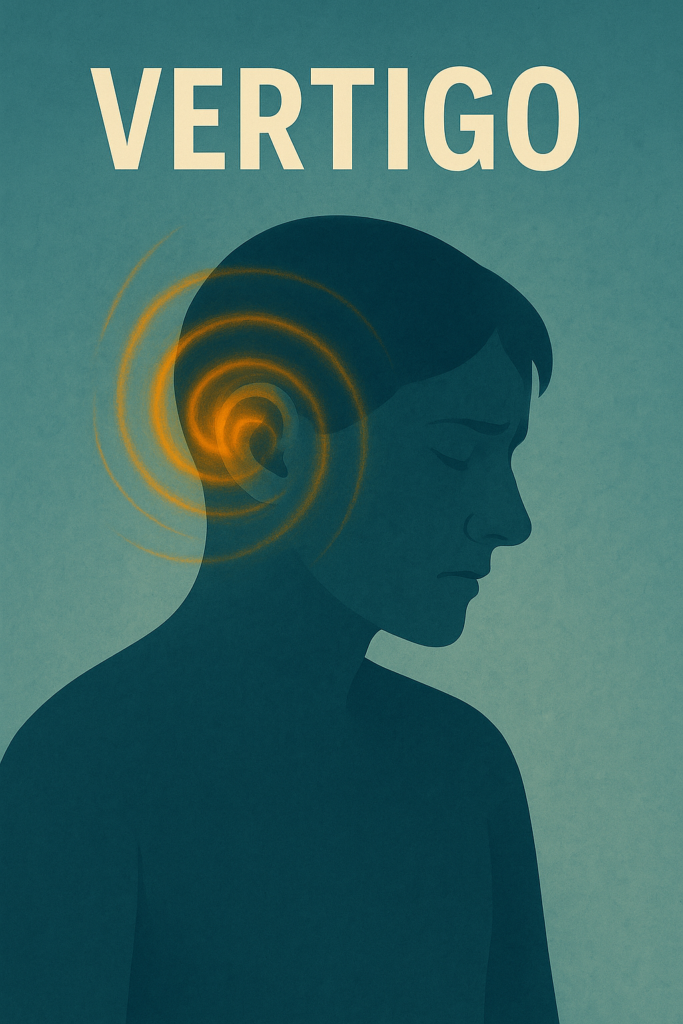
Vertigo is often described as a spinning sensation or a feeling that the world is tilting or moving, yet from a Natural Hygiene perspective it is a profound call from the body for restoration of balance, calm and inner clarity. Vertigo is not a random neurological fault. It is a sign that the body’s sensory and circulatory systems are under strain and struggling to coordinate the information they receive. When the internal terrain becomes congested, dehydrated or overwhelmed, the delicate mechanisms responsible for equilibrium begin to misfire, and vertigo appears as a protective signal.
The body maintains balance through a combination of the inner ear, the eyes and the nervous system. The inner ear, in particular, contains fluid-filled canals that detect motion. When the body is well hydrated, rested and free from internal irritation, this system functions smoothly. However, when the internal fluids thicken due to dehydration or toxicity, the signals from the inner ear become distorted. This creates a mismatch between what the eyes see, what the body feels and what the brain interprets. Vertigo is the body’s way of alerting us that its sense of orientation has been compromised.
One of the most common internal contributors to vertigo is poor circulation. The brain and inner ear require a steady flow of oxygenated blood to function properly. When circulation is sluggish due to dehydration, stress, thickened blood or congestion in the neck and upper spine, the inner ear becomes sensitive and reactive. This reactivity can trigger sudden dizziness, light-headedness or a spinning sensation. Rather than a malfunction, this is the body’s protective attempt to slow us down before further imbalance or injury occurs.
Hydration plays a central role in vertigo. The fluids inside the inner ear must maintain a precise consistency to support balance. When the body is dehydrated, the inner ear fluids become thicker and more difficult to regulate. This can lead to miscommunication within the balance system. True hydration comes not from forcing large amounts of plain water, but from eating hydrating foods such as fruits, raw vegetables and fresh juices. These foods provide structured water that the body can use immediately, helping to restore the fluid balance in the inner ear.
Stress is another major factor. When the body is under emotional or mental strain, the neck and shoulders tighten, compressing blood vessels that supply the brain. Shallow breathing reduces oxygen intake, and the nervous system becomes overstimulated. These changes disrupt the delicate sensory pathways that maintain equilibrium. Many people experience vertigo during periods of anxiety, burnout or emotional upheaval. Natural Hygiene recognises this as the body expressing the need for deep rest and nervous system relief.
The lymphatic system also influences vertigo. The lymph drains waste from the tissues surrounding the ears and brain. When the lymph becomes stagnant due to inactivity, poor posture or an unnatural diet, congestion builds around these sensitive structures. This congestion can interfere with the balance mechanisms and lead to dizziness. Gentle movement, walking, stretching and deep breathing help mobilise the lymph and reduce this internal pressure.
Another overlooked contributor is the digestive system. When digestion is heavy, sluggish or inflamed, blood is redirected from other parts of the body, including the brain. This temporary redistribution can cause dizziness or light-headedness, especially after large meals. Eating simple, light, hydrating meals allows the body to maintain balanced circulation without stealing energy from the brain.
Vertigo also reflects the body’s relationship with stillness. When the internal environment becomes chaotic, through overstimulation, excessive multitasking, artificial lights or loud environments, the nervous system becomes confused by too much input. The body responds by producing symptoms that force us to slow down, rest, and reclaim calm. Vertigo is often the body’s attempt to interrupt patterns of overactivity.
Natural Hygiene offers a clear, gentle path for alleviating vertigo. The first step is to allow the body to rest. Lying down in a dark, quiet space helps reduce sensory overload and stabilises the nervous system. Honouring the body’s call for stillness is essential. When someone tries to push through vertigo, the symptoms often intensify because the underlying imbalance has not been addressed.
Hydrating foods such as melons, oranges, grapes, cucumbers and fresh juices help restore the fluid dynamics in the inner ear. Improving hydration also thins the blood, enhances circulation and reduces inflammation. Light fasting or fruit-only days can be especially helpful, as they allow the body to redirect its energy toward clearing congestion and repairing sensitive tissues.
Deep breathing exercises help by oxygenating the brain and calming the nervous system. Slow, controlled nasal breathing relieves tension in the neck and shoulders, improves blood flow to the head and restores a sense of internal stability. Posture also matters. Sitting or standing with an open, relaxed chest supports better circulation and prevents compression of the arteries leading to the brain.
Emotionally, vertigo invites introspection. It is a sign that the body is overwhelmed by something, whether physical, emotional or environmental. It encourages slowing down, re-evaluating priorities and creating space for calm. Many people find that when they address their emotional burdens, their vertigo naturally lessens.
Vertigo is not a sign of weakness or ageing. It is a call for clarity. It arises when the body has reached its limit and can no longer maintain balance under current conditions. When we respond with hydration, rest, movement, deep breathing and simplicity, the internal systems that regulate balance regain their harmony. The spinning stops, the ground feels steady again, and the body returns to ease.