
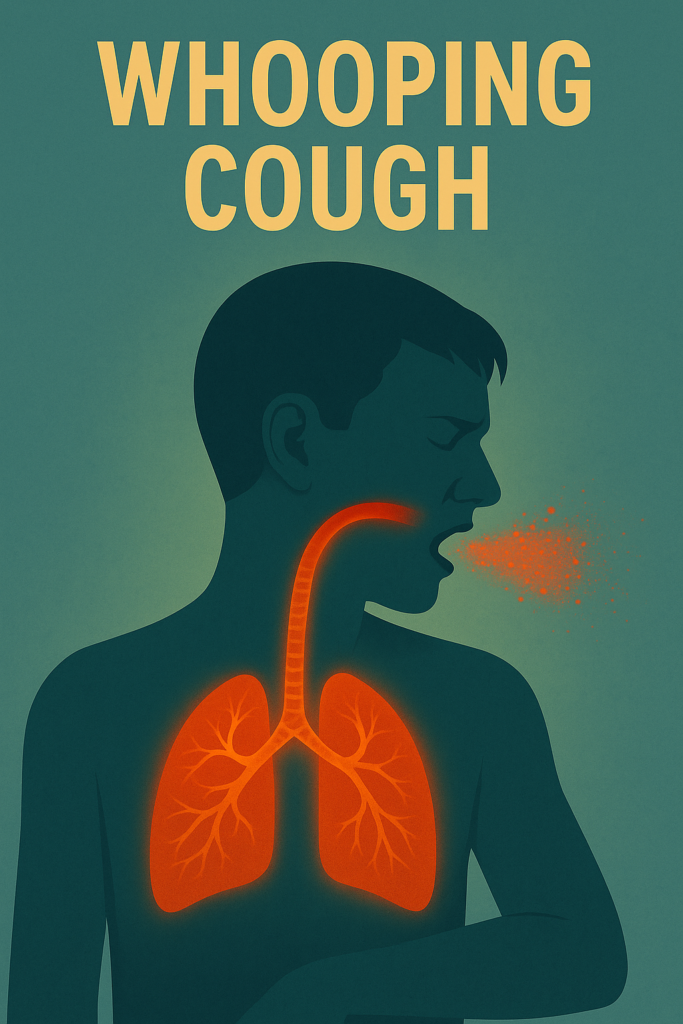
Whooping cough, with its intense coughing fits and unmistakable gasping inhalation, is often described as a contagious bacterial illness. Yet from a Natural Hygiene perspective, it is better understood as the body’s powerful attempt to cleanse, expel and reset the respiratory system. The dramatic nature of whooping cough does not signal a body under attack, but a body engaged in aggressive self-cleansing. The cough is not the problem. It is the solution in motion.
The lungs and airways play a vital eliminative role. They remove volatile waste, carbon dioxide and airborne irritants, and they release mucus that traps debris before it can enter the bloodstream. When the internal terrain becomes overloaded due to dehydration, mucus-forming foods, stress, poor air quality or digestive stagnation, the respiratory system becomes congested. Thick mucus accumulates in the airways, reducing airflow and irritating the sensitive tissues. The body responds with intense coughing to forcefully clear this obstruction.
Whooping cough is essentially an amplified cleansing event. The violent expulsion is a sign that the body is working at maximum intensity to remove material that has irritated or blocked the respiratory tract. The signature “whoop” sound after a coughing fit is simply the body’s attempt to draw in a deep breath after a long expulsion phase. This reflex is protective and intelligent, not pathological.
Coughing fits occur because the airways are struggling under a high load of mucus and irritation. When the internal environment becomes overly acidic or congested, the bronchial tubes swell and secrete more mucus. The body tries to clear it, but when the mucus becomes too thick or sticky, it cannot be removed in a single cough. The result is a series of persistent, repetitive coughs as the lungs push repeatedly to dislodge the obstruction. These bouts, although exhausting, are part of a purposeful healing response.
In Natural Hygiene, mucus is created when the body attempts to neutralise irritants or toxins. Foods such as dairy, oils, processed products, cooked starches and salt contribute to mucus formation and internal burden. When the body reaches a threshold, the respiratory system becomes the primary route of elimination. Whooping cough is therefore a sign that the body has chosen the lungs as a channel to remove deeper waste that can no longer remain inside.
Hydration is central to understanding this condition. Mucus thickens when the body is dehydrated. Dehydration does not occur only from lack of water, but from consuming dehydrating foods, stimulants or living in a constant state of stress. Hydrating foods such as fruits and fresh juices thin the mucus naturally and help the lungs clear it with far less force. True recovery begins when the body is provided with water-rich foods rather than forced hydration through litres of plain water.
Rest is one of the most important factors in healing whooping cough. The coughing fits often intensify at night because lying down mobilises deeper mucus from the lower lungs. While this can be distressing, it is part of the clearing process. Allowing the body ample rest and silence helps the nervous system calm down so it can support the respiratory system’s efforts. Attempts to suppress the cough interfere with the body’s ability to expel what is irritating it.
Stress and emotional tension can amplify symptoms. The tightness in the chest that comes from fear, anxiety or overthinking restricts airflow and increases sensitivity in the airways. Children especially are vulnerable to emotional influences during respiratory illnesses. Calm, reassurance and a peaceful environment are often as important as dietary changes.
Fresh air is essential for recovery. Stale indoor air can worsen irritation and slow healing. Time outside, especially in clean, natural environments, helps oxygenate the blood and stimulate proper breathing rhythms. Slow nasal breathing is particularly helpful because it warms, filters and humidifies the air before it reaches the lungs.
From a Natural Hygiene view, fasting or fruit-only days can dramatically assist whooping cough recovery. When digestion rests, the body redirects energy to clearing the lungs. Mucus loosens, inflammation reduces and the tissues can repair. Many people notice that coughing becomes more productive and less violent when they simplify their diet.
It is also important to understand that prolonged or severe whooping cough does not reflect the body failing, but the body dealing with a large amount of internal waste. The more congestion present, the more intense the cough must be to clear it. Once the burden reduces, the coughing naturally eases. Recovery may take time, but the direction is always towards greater clarity and ease.
Whooping cough, like all respiratory cleansing events, teaches the importance of clean air, hydration, natural food and emotional calm. It is the body expressing that it can no longer tolerate its internal burden and is actively working to release it. When we support this process rather than suppress it, the lungs clear more efficiently, the tissues heal faster and the body emerges stronger and more balanced.
The body never works against itself. Whooping cough is a dramatic but meaningful expression of the body’s intelligence. When we understand this, the fear dissolves and we can support the healing process with patience, simplicity and trust.