
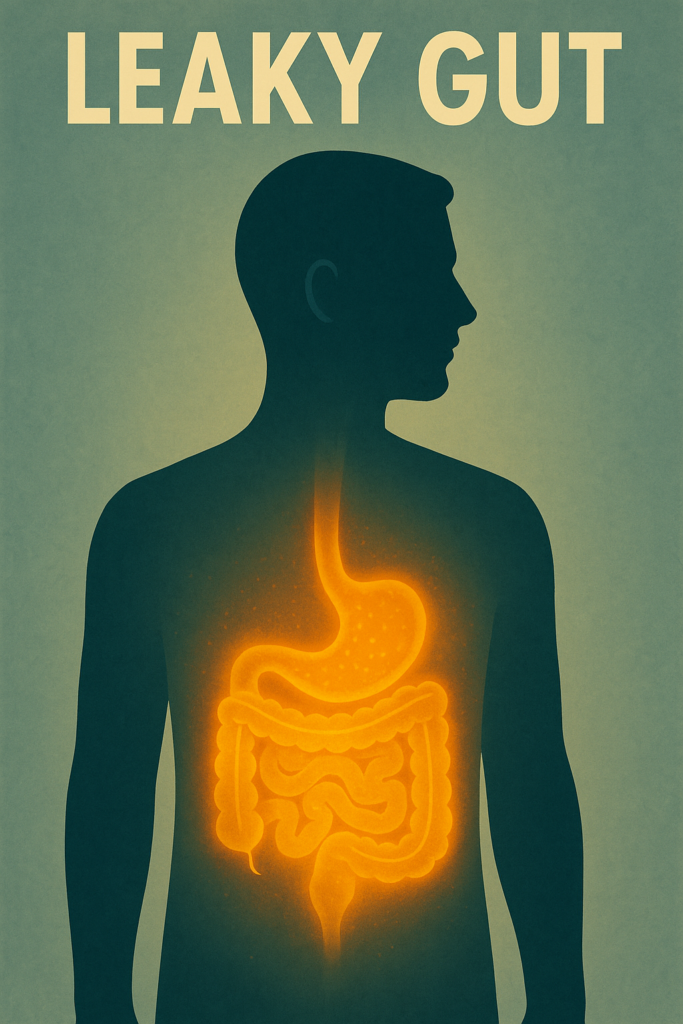
Leaky gut is a modern label for a very old problem. In Natural Hygiene, it is not seen as a mysterious disorder in which the intestines suddenly become porous. Instead, it is understood as the result of chronic irritation, overload and inflammation in the digestive tract. The intestinal lining is a living membrane designed to allow nutrients into the bloodstream while keeping waste inside the bowels. When the body is forced to manage heavy, unnatural foods, emotional stress, overeating or continual digestive strain, this lining becomes inflamed and weakened. The term “leaky gut” simply describes a bowel that has been pushed beyond its limits and is now struggling to maintain its protective barrier.
The digestive system works best when given simple, natural foods that break down easily. Fresh fruits, tender vegetables and clean water-rich foods pass through the intestines smoothly and leave little irritation behind. In contrast, cooked fats, processed foods, animal products, refined sugars and chemical additives create residues that the intestines must work hard to manage. These foods linger, ferment or putrefy, releasing acids and irritating compounds. Over time this constant irritation inflames the intestinal lining. When the surface becomes damaged, its ability to regulate what enters the bloodstream becomes compromised.
In Natural Hygiene, this process is not viewed as an attack from pathogens or a sudden failure of the gut. It is simply a logical outcome of chronic irritation. The body is always trying to protect itself. When the lining becomes inflamed, the permeability of the membrane increases as part of the healing response. Inflammation brings fluids, immune cells and repair materials to the area. This natural process can temporarily make the gut more permeable, but this permeability is not random. It is part of the body’s plan to clean, repair and restore balance.
Many people with leaky gut experience symptoms such as bloating, fatigue, joint pain, skin problems, food sensitivities or mental fog. These symptoms are signs of systemic burden. When the intestines are irritated, undigested waste, acids or toxins may enter the bloodstream more easily. The liver must then work harder to filter these substances. If the liver is already overburdened, waste may circulate longer in the blood, affecting other organs and tissues. Skin eruptions, headaches or joint inflammation are simply the body’s secondary routes of elimination attempting to compensate for a stressed digestive system.
One of the most overlooked factors in leaky gut is stress. Emotional stress reduces blood flow to the digestive tract. It shuts down proper enzyme production and tightens the abdominal muscles, interfering with digestion. When food sits too long in the stomach or intestines because of stress, fermentation increases. The resulting gases and acids irritate the gut lining further. People often notice that symptoms flare during stressful periods even when their diet stays the same. This is because the digestive organs function poorly when the nervous system is strained.
Another major contributor is overeating. The digestive system thrives on rhythm and rest. When food is constantly entering the stomach, the body never has time to repair the intestinal lining. Heavy or complex meals, especially those combining fats, proteins and starches, overwhelm the stomach’s ability to break food down properly. This leads to fermentation, acid production and irritation downstream in the intestines. Natural Hygiene emphasises that healing begins not with adding supplements or special foods, but by removing the burden and giving the digestive tract time to recover.
Fasting is one of the most powerful tools for healing the intestinal lining. When digestion rests, the body redirects energy toward repair. Inflammation decreases, the mucosal layer begins to regenerate, and the intestinal barrier strengthens. Even short periods of fruit-only meals can have a profound calming effect on the digestive tract. Fruits digest cleanly, produce minimal residue and provide hydration that soothes irritated tissues. They also contain natural fibres that help sweep waste from the colon without abrasion.
Food combining plays a crucial role in preventing further irritation. When incompatible foods are eaten together, the digestive tract struggles. Proteins require acidic conditions in the stomach, while starches require alkaline conditions. Combining them in the same meal leads to inefficient breakdown, fermentation and irritation. Keeping meals simple reduces digestive confusion and prevents the production of irritating substances that inflame the gut lining.
Another overlooked factor is chemical exposure. Alcohol, caffeine, preservatives, artificial sweeteners and medications can all irritate the digestive lining. While they may not cause immediate damage, chronic use weakens the gut’s resilience. Removing these irritants gives the body space to heal.
Hydration is also key. Proper hydration does not come from drinking excessive amounts of water, which can dilute stomach acid if consumed during meals. Instead, it comes from eating water-rich fruits and raw vegetables that hydrate the body at a cellular level. When the tissues are well hydrated, the mucosal layer that protects the intestines is thicker, healthier and more resistant to irritation.
Ultimately, leaky gut is not a condition that requires complicated solutions. It requires the removal of irritants and the restoration of simplicity. When we stop disturbing the digestive tract with complex food combinations, heavy meals, stimulants and chronic stress, the body naturally rebuilds the intestinal lining. The gut is one of the most regenerative organs in the body. Given rest and purity, it can renew itself remarkably quickly.
Healing leaky gut is therefore a return to natural living. It is a return to calm meals, simple foods, restful evenings, emotional ease and the fundamental trust that the body knows exactly how to repair itself. When the internal environment becomes clean and peaceful, the digestive tract regains its strength, the blood becomes cleaner and the entire body benefits from the renewed harmony.