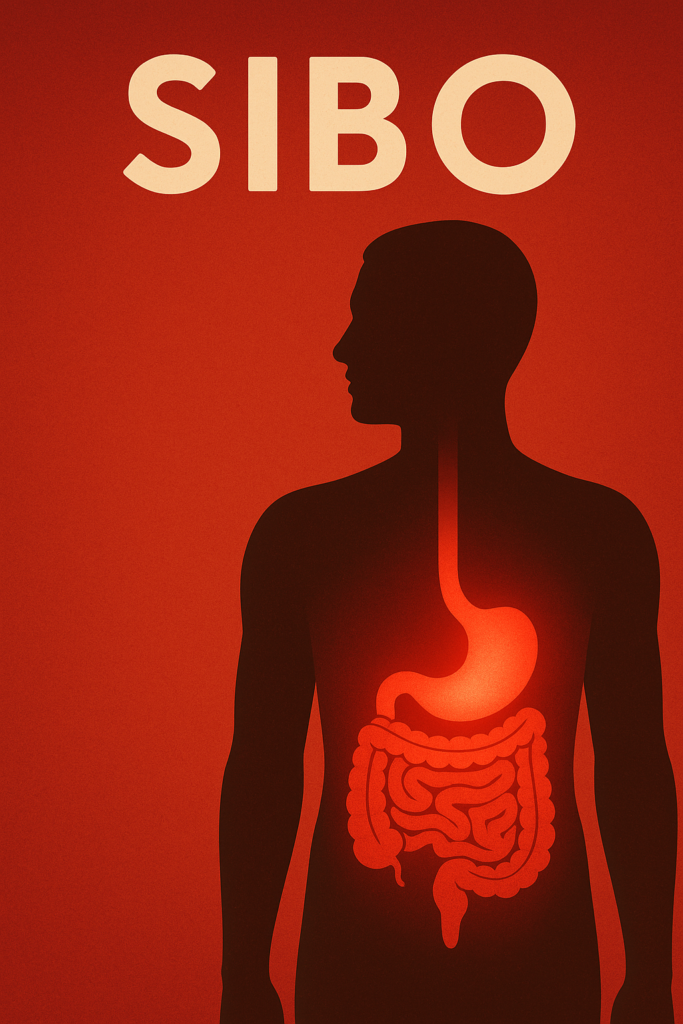
SIBO, or Small Intestinal Bacterial Overgrowth, has become a popular modern diagnosis. It suggests that bacteria have grown in the wrong part of the gut and are now causing bloating, gas, pain and a range of systemic symptoms. From a Natural Hygiene perspective, the issue is not an invasion of bacteria or an imbalance that must be fought. Instead, it is a state of digestive stagnation, irritation and fermentation resulting from lifestyle choices that overwhelm the body’s natural digestive rhythm. Bacteria flourish only where waste and undigested food remain. The body is not malfunctioning. It is struggling with a burden it was never designed to carry.
The small intestine is primarily a place of absorption, not fermentation. When digestion works properly, food enters the small intestine in its simplest, most broken-down form, ready for assimilation. Fruit, for example, requires minimal digestive effort and passes through the stomach quickly, leaving little residue. In contrast, heavy meals combining fats, proteins and starches can remain in the stomach for hours. When they finally move into the small intestine, they do so partially digested, too complex for the body to handle efficiently. This creates stagnation. The food lingers, and the warmth and moisture of the intestine create the ideal environment for fermentation.
Fermentation is not the problem; it is the consequence. When the digestive system is overloaded, the body recruits bacteria to help break down the excess. This is not an infection. It is the body’s attempt to manage a situation caused by dietary habits that exceed its natural capacity. Bloating, gas and discomfort arise as by-products of this fermentation. The real issue is not bacterial growth but the conditions that allow it to occur.
Another major contributor to SIBO is stress. The digestive system is governed by the parasympathetic nervous system, the branch responsible for rest and repair. When stress levels are high, the body shifts into a fight-or-flight state. Blood flow is diverted away from the digestive organs, reducing enzyme production and slowing peristalsis. Food sits too long in the stomach and small intestine, leading to further fermentation. People often find that their symptoms worsen during stressful periods, even when their diet does not change. This is because digestion cannot proceed efficiently when the nervous system is tense.
Overeating is another common factor. The body can only secrete so many digestive enzymes at one time. When meals are too large or too frequent, the digestive system has no opportunity to complete its work. Undigested food enters the small intestine, where bacteria must take over. Natural Hygiene emphasises that the digestive organs need long periods of rest between meals. Without this rest, irritation and fermentation become chronic.
Food combining is also essential. Proteins and starches, for example, require entirely different digestive environments. When eaten together, they neutralise each other’s digestive juices, delaying stomach emptying and causing fermentation. Fermented food then enters the small intestine, creating the conditions that modern language calls SIBO.
The widespread belief that SIBO is caused by “too many bacteria” misses the point. Bacteria thrive where the internal terrain invites them. They consume what the body cannot process. When the diet is simplified and digestion improves, these bacteria naturally decline. There is no need for herbal antimicrobials, antibiotics or extreme restriction diets. These approaches may suppress symptoms temporarily but do nothing to address the underlying cause.
The body heals SIBO when it is given the chance to restore digestive harmony. Fasting is one of the most effective ways to achieve this. When digestion rests, the small intestine clears itself, inflammation reduces and the bacterial activity subsides naturally. Even a short fruit fast or a period of mono-eating can bring remarkable relief. Fruits provide hydration and natural fibres that support cleansing without feeding fermentation.
Hydration through fruits and raw vegetables is also key. When the intestines are well hydrated, peristalsis becomes smooth and efficient. Dry, processed foods slow digestion, leading to stagnation. This dryness is often overlooked but plays a significant role in digestive discomfort.
Breathwork and emotional regulation are equally important. The small intestine is sensitive to the state of the nervous system. Calm breathing restores blood flow to the digestive organs and helps the body switch back into parasympathetic mode. When the nervous system relaxes, digestion becomes more efficient and fermentation decreases.
Restoring digestive strength also requires simplicity. Meals should be light, clean and uncomplicated. Fruits eaten alone digest effortlessly and give the intestines a chance to reset. Gradually reintroducing salads and lightly cooked vegetables supports long-term healing. Avoiding stimulants, alcohol and processed foods protects the delicate lining of the small intestine and reduces inflammation.
SIBO is therefore not a hostile bacterial takeover. It is a sign that the digestive system has been asked to do more than it can manage. It is a call for simplicity, timing, emotional ease and natural nourishment. When these elements return, the small intestine regains its rhythm, fermentation decreases and the uncomfortable symptoms fade. Healing does not come from fighting bacteria but from supporting the body’s remarkable ability to restore balance when given the right conditions.