
Acne: A Natural Hygiene Perspective on Sebum, Inflammation and Internal Terrain
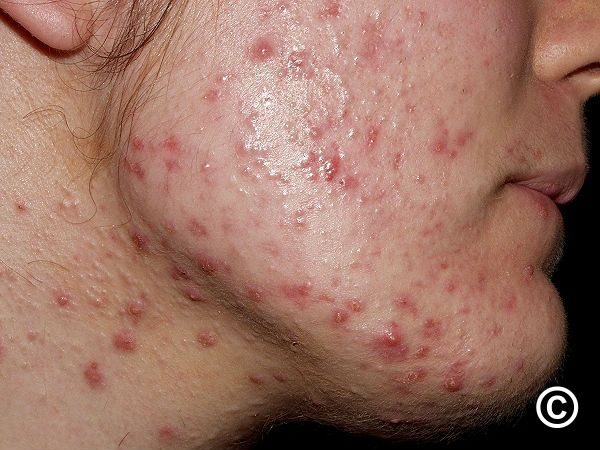
Acne develops around hair follicles and sebaceous glands. Excess sebum, altered shedding of skin cells, follicular blockage, bacterial activity and inflammation can all contribute. Hormonal changes help explain why acne is especially common during adolescence.
What Is Actually Inside a Spot?
A blocked follicle can contain sebum, keratin and cellular debris. Inflamed spots can also contain inflammatory cells and fluid. So there genuinely is accumulated material within an acne lesion, but its composition and origin matter.
Natural Hygiene interprets this through the wider terrain and the skin’s relationship with the rest of the body. Hormones, metabolic health, stress, sleep, skin products and dietary patterns can influence acne. NH asks what conditions are encouraging excessive oil production, plugging and inflammation rather than viewing the spot in isolation.
Is Acne the Body Expelling Toxins?
The skin does excrete small amounts of substances through sweat, but acne lesions have not been shown to be a route by which the liver or kidneys divert general metabolic toxins through the pores. The material in a spot largely arises locally from the follicle and inflammatory response.
Natural Hygiene can still retain its broader toxaemia and terrain perspective: what enters the body, how metabolism is functioning, how well the person sleeps and recovers, and what repeatedly contacts the skin may all be worth examining. The distinction is between a whole-person interpretation and a specific unproven drainage mechanism.
Supporting Clearer Skin
A minimally processed dietary pattern, good sleep, regular movement, appropriate skin care and avoiding irritating or pore-blocking products can support general and skin health. Individual dietary associations can be explored without claiming that every person must fast or perform a juice cleanse.
Severe painful nodules or cysts, significant scarring or acne causing major distress deserves appropriate support rather than simply waiting for a cleansing crisis to finish.
Enervation, Vital Economy and Skin Maintenance
Natural Hygiene’s concepts of enervation and Vital Economy add a demand-and-recovery perspective. Skin and follicles continually renew themselves, and that maintenance occurs within the person’s overall nutritional, hormonal, metabolic and recovery environment. This does not mean acne appears because the body lacks enough nerve energy to eliminate waste elsewhere.
The Observation and the Interpretation
The observation is follicular plugging, altered sebum production, microbial activity and inflammation. Natural Hygiene interprets these within the wider terrain of hormones, nourishment, metabolism, sleep, stress, skin exposure, toxaemia and recovery.
What goes beyond the evidence is identifying the contents of every spot as systemic toxins being expelled through the skin. There is genuine accumulated material and genuine inflammatory activity; the terrain question is why this follicular environment repeatedly develops.
Related Reading
- The Integumentary System
- Eczema
- Psoriasis
- Skin Changes and Surface Elimination
- Toxaemia: The Root of Disease