
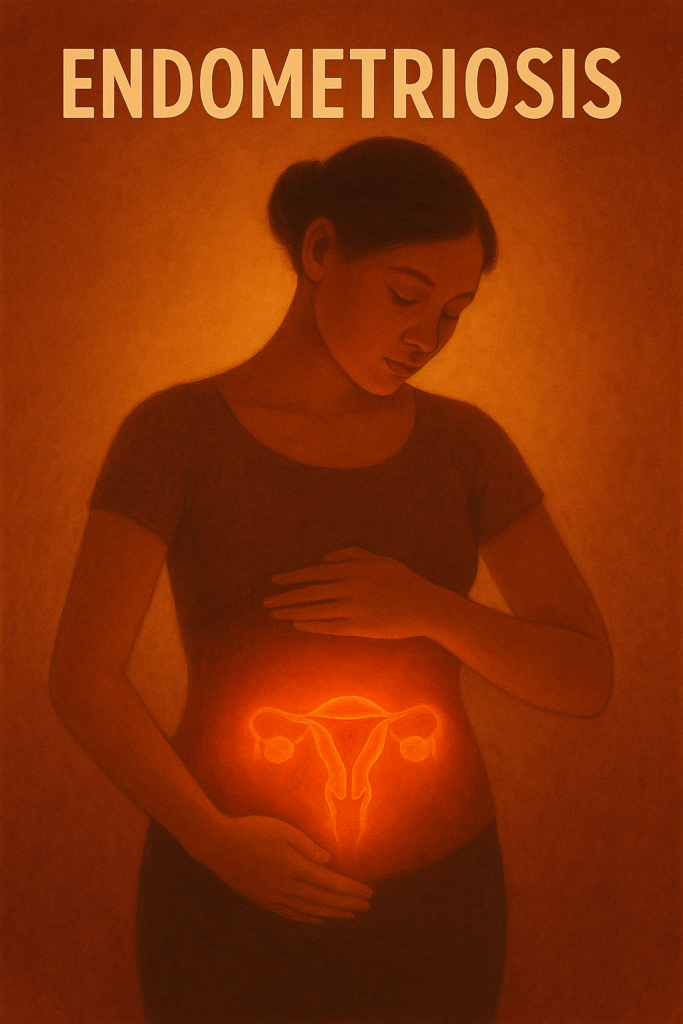
Endometriosis: A Natural Hygiene Perspective on Tissue, Inflammation and Terrain
Endometriosis occurs when tissue similar to the lining of the uterus grows outside the uterus. These lesions can respond to hormonal signals and are associated with inflammation, scarring, adhesions, pelvic pain and sometimes fertility difficulties.
What Is Actually Present?
Endometriosis lesions are real tissue changes. They are not simply stored menstrual waste or toxins diverted into the pelvis. The condition is biologically complex, and no single explanation accounts for every case.
Natural Hygiene can still ask an important wider question: what terrain surrounds the inflammatory, hormonal and nervous-system processes?
Inflammation and Pain
Inflammation is an organised biological response, which fits NH’s view that the body is not acting randomly. But persistent inflammation, bleeding and fibrosis around endometriosis lesions can themselves cause pain and tissue problems. They should not be described as harmless cleansing attempts.
Pain also involves nervous-system processing. Persistent pelvic pain can therefore be influenced by both tissue changes and increasing sensitivity within pain pathways.
Hormones, Energy and Vital Economy
Reproductive tissues respond to hormonal signalling, while reproductive function exists within the body’s wider energy and nutritional environment. Natural Hygiene’s Vital Economy can be used here as a whole-body question about available resources, recovery and physiological demand.
It should not be used to claim that the body deliberately grows endometriosis lesions to save energy or store waste.
Toxaemia and the Wider Terrain
Classical Natural Hygiene uses toxaemia to describe a wider internal burden. NBI retains that terrain concept while distinguishing it from the physical lesions themselves. Sleep, stress, movement, nourishment, body composition, digestive health and metabolic health can all influence the environment in which symptoms are experienced without being presented as the single established cause of endometriosis.
Stress, Emotion and the Nervous System
Stress can increase muscle tension, disturb sleep and change pain sensitivity. Emotional wellbeing therefore belongs in whole-person care. Unexpressed grief, resentment or a need for control, however, have not been shown to create endometriosis tissue.
Food, Rest and Fasting
Adequate nutrition matters, particularly where heavy bleeding or restricted eating increases the risk of iron or other nutrient deficiencies. Natural Hygiene’s preference for simple, minimally processed food can form part of the wider terrain.
Fasting is traditionally used as physiological rest, but fasting or restrictive fruit cleanses should not be presented as proven ways to dissolve endometriosis lesions. Significant restriction can also affect reproductive hormone signalling when energy availability becomes too low.
The Observation and the Interpretation
The observation is that endometriosis involves tissue outside the uterus, hormonal responsiveness, inflammation and sometimes fibrosis or adhesions. Natural Hygiene interprets the wider person through terrain, toxaemia, enervation, nourishment and Vital Economy.
What goes beyond the evidence is claiming that the lesions are menstrual toxins deposited for safe storage or that painful flares necessarily represent detoxification. The terrain matters without replacing the reality of the tissue changes.
Severe sudden pelvic pain, fainting, very heavy bleeding or possible pregnancy with significant pain requires prompt assessment.
Related Reproductive Reading
Natural Hygiene foundation: The Natural Hygiene approach