
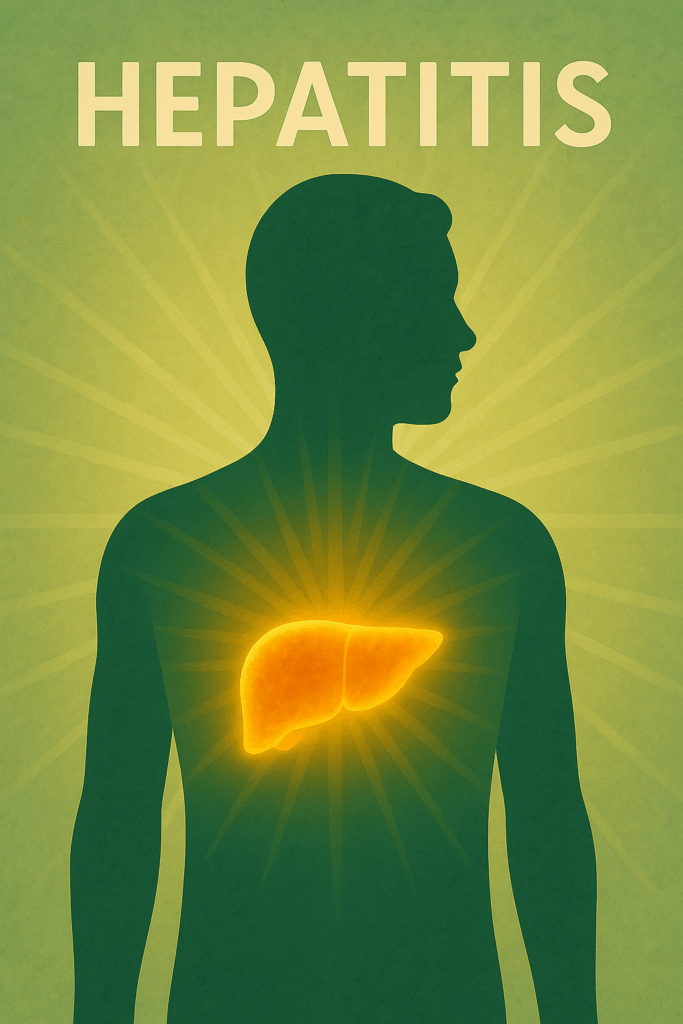
Hepatitis: A Natural Hygiene Perspective on Liver Health
Hepatitis means inflammation of the liver. It is an umbrella term rather than a single condition and can have different causes, including recognised hepatitis viruses, alcohol, medicines, toxins, autoimmune disease and other liver disorders. Keeping the familiar term is important, but understanding which type of hepatitis is present matters.
The Natural Hygiene View
Natural Hygiene places the liver within the wider context of metabolism, nutrition and the body’s processing of substances. It therefore asks about alcohol, medicines and supplements, food patterns, sleep, stress and other demands rather than viewing the liver in isolation.
The liver has a remarkable capacity for repair, but that does not mean all forms of hepatitis resolve simply through rest or dietary change. The underlying cause and degree of liver injury are important.
Supporting Liver Health
Avoiding alcohol, getting adequate rest, eating a nutritionally adequate diet and avoiding unnecessary substances that place additional demands on the liver fit well with Natural Hygiene principles. Medicines should not be stopped merely because they are processed by the liver; suspected medicine-related liver problems should be discussed with an appropriate clinician.
Prolonged fasting is not a universal treatment for hepatitis and may be inappropriate in someone who is acutely ill or struggling to maintain nutrition.
When Medical Assessment Matters
Yellowing of the skin or eyes, dark urine, pale stools, severe abdominal pain, persistent vomiting, unusual bleeding, confusion, marked drowsiness or rapidly worsening illness require medical assessment. Anyone told they have hepatitis should understand which form has been diagnosed and what monitoring or treatment is recommended.
Natural Hygiene can contribute a lifestyle and whole-person perspective while appropriate investigation establishes what is happening in the liver.
Why the Liver Fits the Natural Hygiene Model
The liver genuinely does process nutrients, metabolise many substances and transform compounds so that they can be used or eliminated. Conventional physiology describes these functions in detail. Natural Hygiene builds its terrain and toxaemia interpretation on the importance of this processing role, asking what happens when the liver and the rest of the body’s eliminative systems are repeatedly exposed to avoidable burdens.
Where the distinction lies is in interpretation. The liver’s processing and repair functions are observable; the broader Natural Hygiene concept of toxaemia is the framework used to connect those functions with total lifestyle burden. This is why NH emphasises reducing unnecessary inputs and supporting rest without claiming that every form of hepatitis is simply the liver “detoxing”.
Enervation, Vital Economy and Liver Demand
Natural Hygiene’s concepts of enervation and Vital Economy add a demand-and-recovery layer. Liver inflammation, poor appetite and systemic illness can substantially reduce present capacity, making rest and adequate nourishment important. This does not mean hepatitis is created deliberately to redirect nerve energy towards detoxification.
The Observation and the Interpretation
The observation is measurable liver inflammation or injury, with different forms of hepatitis having different causes. Natural Hygiene interprets liver health within the wider terrain of exposures, nourishment, metabolism, elimination, toxaemia, enervation and recovery.
What goes beyond the evidence is treating every form of hepatitis as the liver cleansing itself or assuming that more fasting necessarily means more repair. The liver’s processing and regenerative functions are real; the broader terrain interpretation should begin with those observations rather than replace them.