Hypoglycaemia: A Natural Hygiene Perspective on Blood Glucose, Energy and Regulation
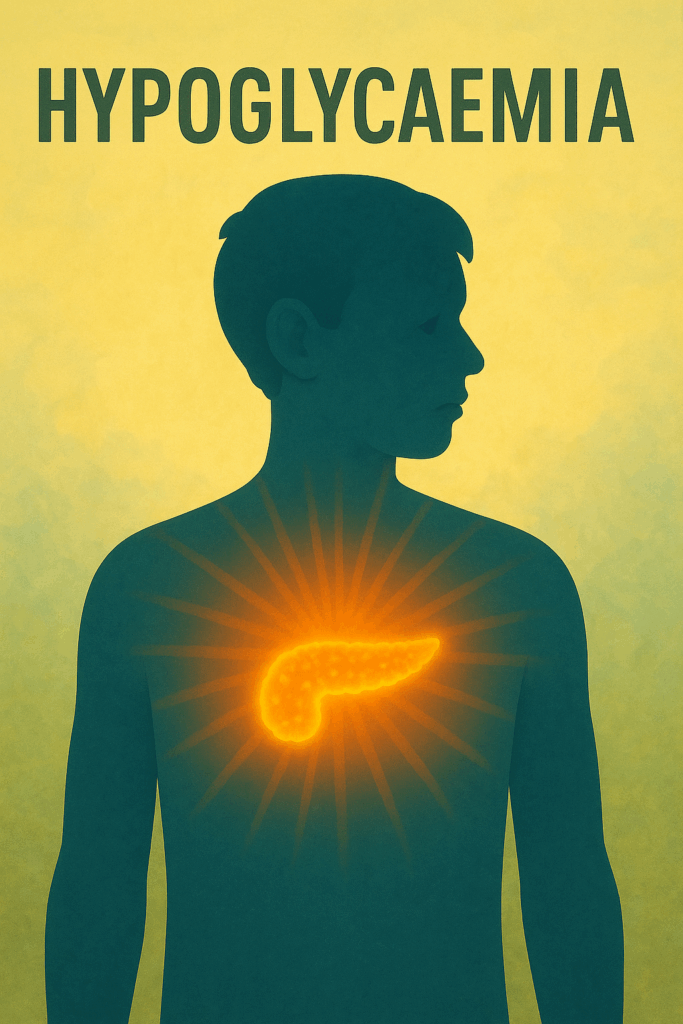
Hypoglycaemia means an abnormally low concentration of glucose in the blood. Because glucose is an important fuel, particularly for the brain, genuine hypoglycaemia can produce sweating, trembling, hunger, palpitations, weakness, confusion, behavioural change and, when severe, seizures or loss of consciousness.
Natural Hygiene is interested in the wider conditions surrounding energy regulation: food, fasting, sleep, physical activity, stress, liver function, hormones and the overall demands being placed on the organism. But feeling tired or irritable between meals is not by itself proof that blood glucose is dangerously low.
How the Body Regulates Blood Glucose
After carbohydrate is absorbed, insulin helps tissues take up and store glucose. Between meals, the liver helps maintain blood glucose by releasing stored glycogen and producing glucose from other substrates. Glucagon, adrenaline, cortisol and other signals participate in this regulation.
This is an excellent example of the body’s continuous self-regulation: several organs and signalling systems cooperate to keep an important internal variable within a workable range.
What Causes True Hypoglycaemia?
Low glucose can occur for different reasons. Diabetes medication is an important cause. Prolonged fasting, alcohol, severe illness, some hormone disorders and rarer metabolic or insulin-related conditions can also contribute. Some people experience post-meal symptoms associated with a rapid fall in glucose, although symptoms should ideally be distinguished from assumed “sugar crashes”.
The older idea that every sugary meal makes the pancreas release excessive insulin and eventually exhausts the adrenals is too broad. The pancreas and counter-regulatory systems adapt dynamically; “adrenal fatigue” is not an established explanation for routine energy fluctuations.
Vital Economy and Energy Availability
Natural Hygiene’s Law of Vital Economy provides a useful wider frame. The organism continually allocates fuels according to immediate needs. Liver glycogen, circulating glucose, fatty acids and other substrates all contribute according to whether we are eating, resting, exercising or fasting.
Enervation can be used to describe a broader mismatch between demand and recovery. Poor sleep, relentless activity and stimulant use may make a person feel depleted even when blood glucose is normal. This distinction prevents every episode of fatigue from being incorrectly labelled hypoglycaemia.
Fruit and Blood Glucose
Whole fruit provides carbohydrate together with water, fibre and micronutrients. Different fruits and portions produce different glucose responses, and the response also depends on the person’s metabolism and what else is eaten.
Fruit can be part of a nourishing dietary pattern, but its sugars are not “structured” in a way that guarantees slow absorption or prevents hypoglycaemia in every person.
Fasting Requires an Important Distinction
Natural Hygiene traditionally values fasting as physiological rest. During fasting, insulin falls and the body shifts progressively towards stored fuels, including fat and ketones, while mechanisms work to maintain sufficient blood glucose.
But fasting is not a treatment for an episode of true hypoglycaemia. Someone experiencing significant low blood glucose needs the low glucose addressed, not prolonged in the name of detoxification. People using glucose-lowering medication require particular caution because fasting can substantially change medication requirements.
Stress, Sleep and Stimulants
Stress hormones can change glucose availability, while inadequate sleep can influence appetite, insulin sensitivity and food choices. Caffeine can also produce trembling, palpitations or anxiety that may feel similar to low blood sugar without necessarily causing it.
Natural Hygiene therefore asks us to observe the whole pattern rather than chase every uncomfortable sensation with sugar or stimulation.
Toxaemia and the Internal Terrain
In classical Natural Hygiene, toxaemia describes a broader internal burden arising when demands and wastes exceed the body’s capacity to process and eliminate them efficiently. NBI retains this as a terrain concept, but hypoglycaemia should not be described simply as toxic blood preventing energy production.
The measurable observation is a change in circulating glucose. The Natural Hygiene interpretation broadens the investigation to the person’s nutritional, metabolic, sleep, stress and activity terrain.
When Low Blood Glucose Is Urgent
Severe confusion, inability to swallow safely, seizures or loss of consciousness with suspected hypoglycaemia are not healing crises. Recurrent documented low glucose also deserves investigation so that its cause can be understood.
The Natural Hygiene Interpretation
Blood-glucose regulation demonstrates Natural Body Intelligence beautifully: the body continually senses fuel availability and adjusts storage, release and use. The symptom becomes useful information when we ask what is actually happening rather than assuming every energy dip has the same cause.
The Natural Hygiene goal is stable function through appropriate nourishment, rest, movement and reduced unnecessary stimulation — while recognising that genuine hypoglycaemia is a measurable physiological state, not simply enervation or detoxification.
Related Blood-Sugar Reading
Natural Hygiene foundation: The Natural Hygiene approach