Obesity: A Natural Hygiene Perspective on Energy Storage, Metabolic Terrain and Recovery
Obesity describes an amount of body fat associated with increased health risk, but it is not a moral failing or simply a matter of willpower. Body weight is influenced by food intake, energy expenditure, sleep, activity, hormones, medicines, environment, genetics and behaviour over time.
What Body Fat Actually Stores
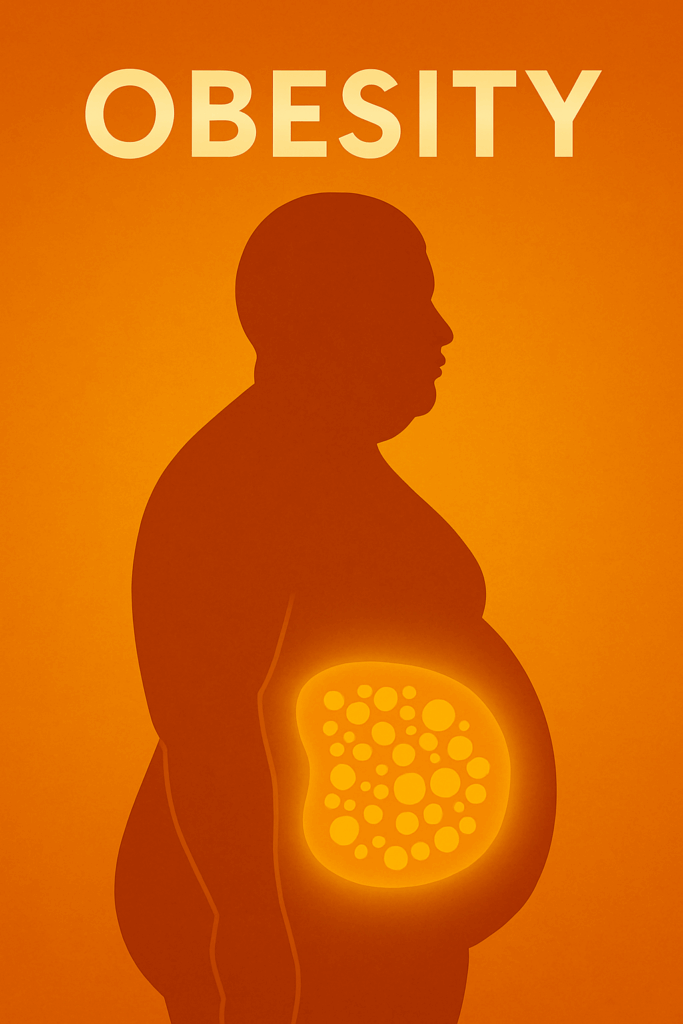
Adipose tissue stores energy mainly as triglyceride. It is also biologically active tissue that releases hormones and signalling molecules and interacts with insulin sensitivity, appetite and inflammation.
Natural Hygiene is right to view body fat as more than inert padding. However, obesity is not primarily the body creating fat cells to warehouse acids and general metabolic waste that the kidneys or liver failed to eliminate. The bulk of stored fat is energy-rich lipid accumulated when long-term energy storage exceeds energy use.
Where the Terrain Model Becomes Useful
The metabolic consequences of excess body fat provide a strong terrain example. Fat distribution, particularly around abdominal organs, can be associated with insulin resistance, altered lipid handling, inflammation and fatty liver. Sleep, stress, ultra-processed food, alcohol, inactivity and eating patterns can all influence this metabolic environment.
Natural Hygiene describes chronic physiological burden through concepts such as toxaemia and enervation. Used carefully, these concepts encourage us to look at the conditions producing the metabolic state rather than merely treating the number on the scales.
Food, Satiety and Simplicity
Natural Hygiene favours minimally processed plant foods, fruit and vegetables and simpler eating patterns. Foods with lower energy density and higher fibre and water content can make it easier for some people to eat satisfying quantities while reducing overall energy intake. The important mechanism is not that fruit dissolves toxins from fat but that the whole dietary pattern can change energy balance and metabolic health.
Fasting and Stored Energy
During fasting, insulin falls and the body increasingly mobilises stored energy, including fatty acids from adipose tissue. This is a real physiological basis for Natural Hygiene’s interest in fasting and autolysis. It does not mean every substance released from fat is a toxin or that longer fasting is automatically better.
Movement, sleep and emotional wellbeing also matter. Activity supports cardiovascular health, muscle, insulin sensitivity and energy expenditure, while poor sleep can affect appetite and metabolic regulation. Emotional eating can be explored compassionately without assuming that obesity represents physically stored emotion.
Rapid unexplained weight gain, marked swelling or major weight change without an obvious reason deserves assessment because not every increase in body weight is increased body fat.
Toxaemia, Enervation and Vital Economy
Natural Hygiene’s toxaemia concept broadens the discussion from body weight alone to the metabolic and lifestyle terrain in which energy is stored and used. Enervation and Vital Economy add sleep, stimulation, stress, movement and recovery without implying that excess body fat is simply the physical storage form of ordinary metabolic toxins.
The Observation and the Interpretation
The observation is increased adipose tissue — a living endocrine and energy-storage tissue — arising through interacting influences on energy intake, expenditure, appetite, metabolism, medicines, genetics and environment. Natural Hygiene interprets this within the wider terrain of food quality, satiety, movement, sleep, stress and metabolic health.
What goes beyond the evidence is treating obesity as merely accumulated toxicity or promising that fasting will automatically restore healthy regulation. The terrain strongly influences energy storage, but body fat itself has identifiable physiological functions and mechanisms.
Related Metabolic Reading
Natural Hygiene foundation: The Natural Hygiene approach