
The Sensory System: Perception, Protection and the Natural Hygiene Terrain
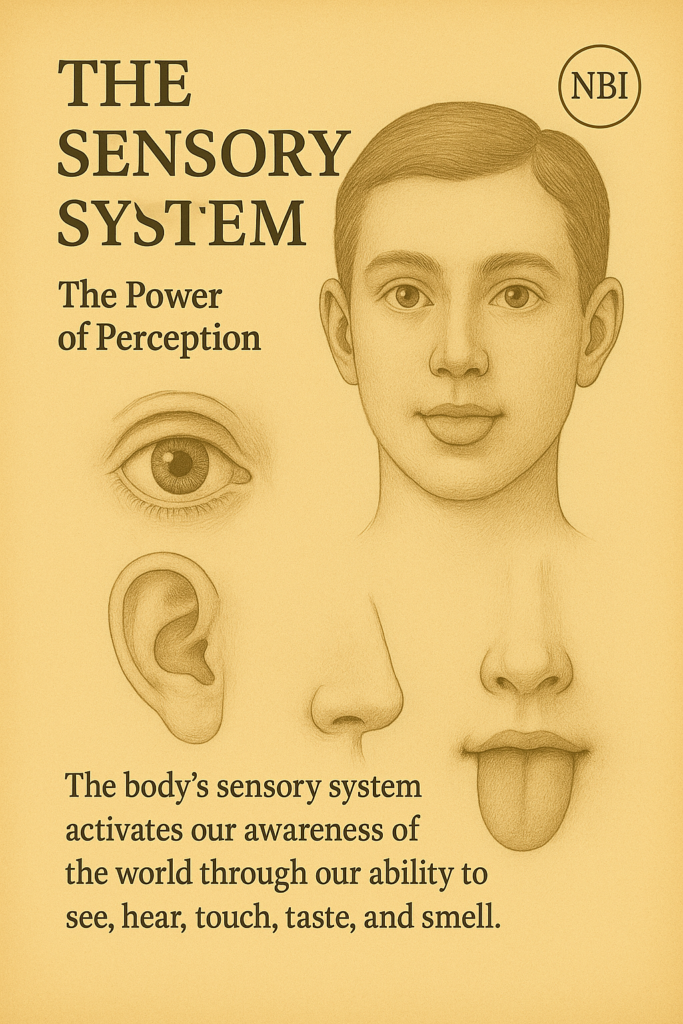
The sensory system continually gathers information from outside and inside the body. Sight, hearing, smell, taste, touch, balance, temperature, pain and body-position signals are converted into nerve activity and interpreted by the brain.
This makes sensation an important part of self-regulation. Pain can protect an injured area, smell can warn of environmental hazards, balance signals help maintain posture and changes in light alter pupil size and circadian signalling. Symptoms and sensations often carry useful biological information.
The Senses Depend on the Whole Body
Eyes, ears, skin and sensory nerves depend on circulation, oxygen, nutrients, fluid balance and nervous-system function. Natural Hygiene’s terrain principle therefore applies naturally: sensory organs do not function in isolation from sleep, metabolism, movement, environmental exposure and general health.
The distinction is that blurred vision, hearing loss or altered sensation should not automatically be interpreted as waste leaving the body. Sensory tissue can also be irritated, compressed, injured or progressively damaged.
Eyes: Light, Tears and Visual Work
The eyes continually adjust focus, pupil size and tear distribution. Long periods of concentrated screen use can reduce blinking and contribute to dryness and eye strain. Rest breaks, time outdoors and adequate sleep can improve comfort, but persistent visual change needs its own explanation rather than being labelled systemic congestion.
Ears: Sound and Balance
The inner ear contains specialised structures for hearing and balance. Fluid chemistry there is tightly regulated. Hydration and vascular health contribute to the wider physiological terrain, while excessive noise can directly damage hearing structures. Ringing, dizziness or reduced hearing are signals worth investigating, not proof of internal cleansing.
Nose and Mucous Membranes
Nasal mucus traps particles and helps protect and moisten the airway. Sneezing can expel irritants. These are genuine protective actions and support the Natural Hygiene view that some symptoms are purposeful responses. Increased mucus, however, can also occur with allergy, irritation and other conditions and does not by itself prove metabolic toxins are being discharged.
Skin, Touch and Pain
The skin is both a barrier and a sensory organ. Receptors detect pressure, temperature, touch and potentially damaging stimuli. Sweat contributes modestly to excretion, but rashes and eruptions are not established as emergency outlets for liver or kidney waste.
Sensory Load and Enervation
Continuous noise, screens, artificial light and notifications can maintain attention and arousal. Natural Hygiene’s concept of enervation is useful here: reducing unnecessary stimulation, sleeping in darkness, spending time outdoors and allowing periods of quiet can change the demands placed on the nervous system.