
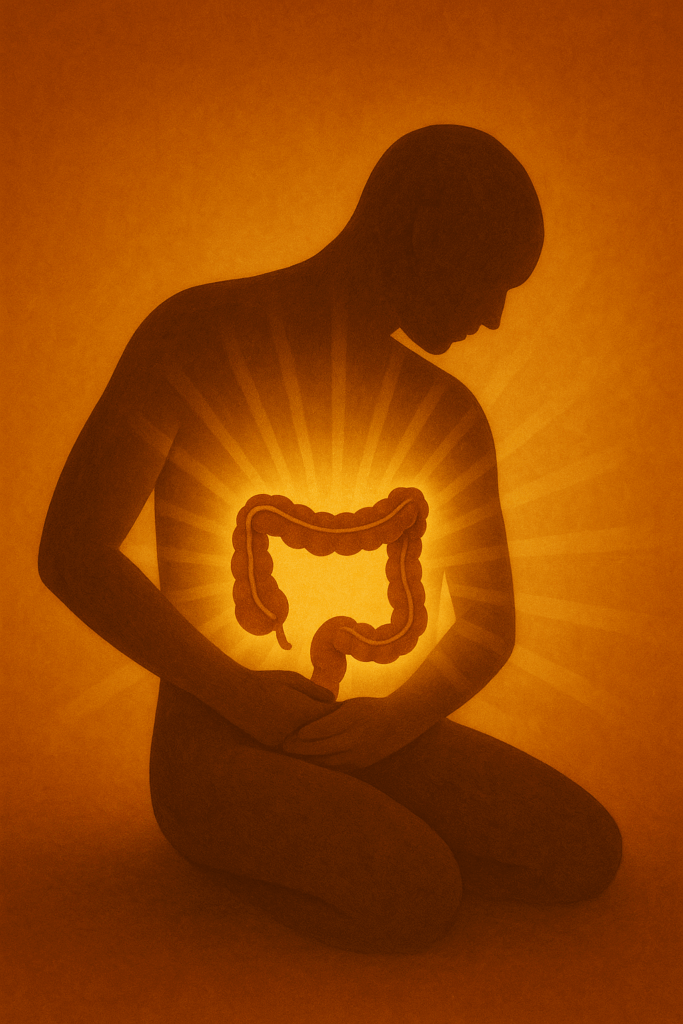
Constipation: A Natural Hygiene Perspective on Motility, Hydration and Elimination
Constipation describes bowel movements that are infrequent, difficult to pass, unusually hard or associated with a sense of incomplete emptying. It is directly relevant to Natural Hygiene because elimination is one of the tradition’s central concerns.
What Actually Determines Bowel Movement?
The colon moves contents through coordinated muscular contractions and absorbs water along the way. Stool consistency and transit are influenced by fluid intake, fibre and food pattern, physical activity, medicines, bowel habits, nervous-system activity and several medical conditions.
Natural Hygiene interprets slow elimination within the wider terrain. When movement, hydration, food quality, sleep and nervous-system function are poor, bowel function may also suffer. This gives a concrete basis to the NH emphasis on regular elimination without assuming constipation always means the entire body is “full of toxins”.
Water, Fibre and Food
Water helps maintain hydration, while fibre can increase stool bulk and alter its water content. Fruits, vegetables and other plant foods can therefore support bowel regularity. Individual needs differ, however, and suddenly adding large amounts of fibre can worsen bloating or discomfort in some people.
Stress and the Gut
The nervous system genuinely influences intestinal motility. This supports Natural Hygiene’s interest in stress, rest and relaxed bowel habits. It does not mean that someone is constipated because they are emotionally “holding on”; that can be a metaphor rather than a demonstrated mechanism.
Fasting and Laxatives
Natural Hygiene traditionally questions habitual reliance on stimulants and laxatives. That concern can be considered without claiming all laxatives permanently weaken the bowel. Fasting also reduces incoming food and therefore stool production; it should not be mistaken for proof that the colon has been cleansed of old deposits.
Blood in the stool, persistent severe abdominal pain, vomiting, marked abdominal swelling, unexplained weight loss, inability to pass stool or gas, or a substantial persistent change in bowel habit requires medical assessment.
Toxaemia, Transit and the Internal Terrain
Classical Natural Hygiene gives constipation particular importance because regular elimination is part of maintaining the internal environment. NBI retains that concern while making the mechanism clearer. Longer transit means bowel contents remain in the colon for longer and more water can be absorbed from the stool, making it harder and more difficult to pass.
The NH concept of toxaemia asks about the wider balance between intake, metabolism and elimination. Constipation can form part of that picture without proving that old faeces are coating the colon or that every symptom elsewhere in the body comes from material being reabsorbed from the bowel.
Vital Economy and Bowel Function
Movement, regular meals, hydration, sleep and nervous-system state can all influence bowel behaviour. From a Vital Economy perspective, bowel function is one part of a coordinated organism rather than an isolated waste pipe. Stress and disrupted routines can alter motility, while ordinary physical movement can support normal intestinal activity.
The Observation and the Interpretation
The observation is that slow transit and difficult stool passage interfere with normal elimination. Natural Hygiene interprets regular bowel function as one important feature of a healthy terrain.
What goes beyond the evidence is claiming that constipation necessarily poisons the entire bloodstream or that a fast proves the colon has been cleansed because bowel movements stop. The stronger NH position is to restore the conditions that support normal elimination rather than inventing material that has not been demonstrated.
Related Digestive Reading
Natural Hygiene foundation: The Natural Hygiene approach