
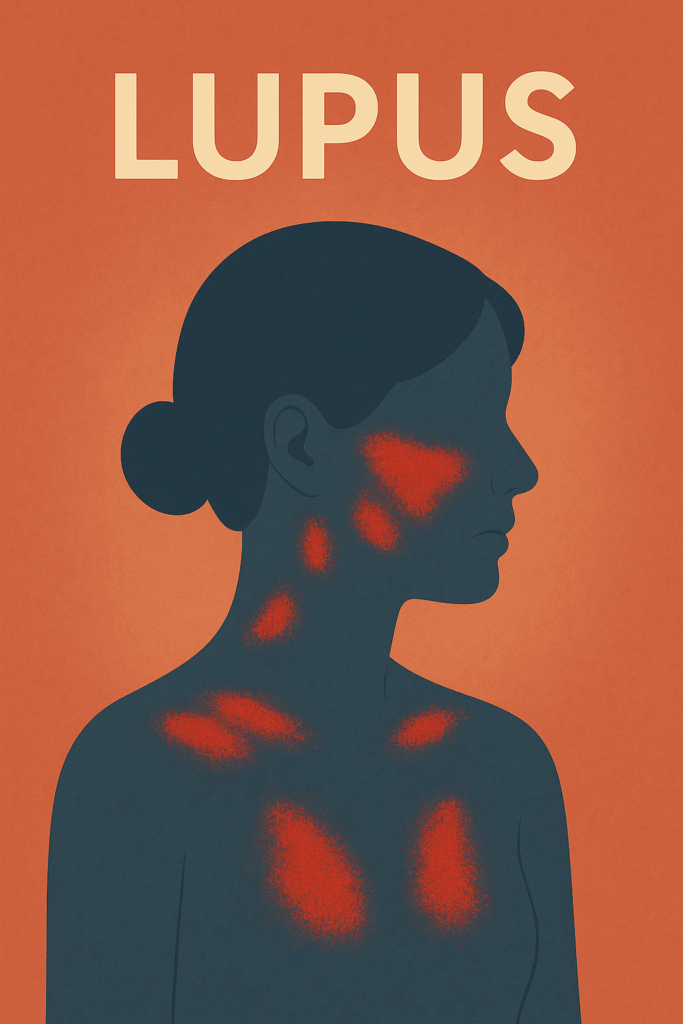
Lupus: A Natural Hygiene Perspective on Inflammation, Terrain and Vitality
Lupus is a chronic inflammatory autoimmune condition that can affect the skin, joints, blood, kidneys, nervous system and other organs. Symptoms and severity vary considerably, and periods of greater activity can alternate with periods of remission.
Inflammation Is an Organised Response
Inflammation involves coordinated changes in blood flow, immune signalling and tissue activity. Conventional medicine describes lupus in terms of abnormal autoimmune activity in which immune processes contribute to tissue injury.
Natural Hygiene starts from a different emphasis: the body should be understood as an integrated, self-regulating system rather than as a collection of organs randomly attacking themselves. It therefore asks what terrain surrounds chronic inflammatory activity and what burdens can be removed. That philosophical distinction does not mean that inflammation in lupus is harmless; kidney, neurological and other organ involvement can cause serious damage.
Toxaemia, Enervation and the Wider Terrain
Natural Hygiene uses toxaemia to describe excessive internal burden and enervation for diminished functional energy. From this perspective, food quality, sleep, stress, smoking, alcohol, activity, environmental exposures, nourishment and elimination are considered together rather than concentrating exclusively on suppressing individual symptoms.
The fluctuating nature of lupus makes careful observation useful. Sleep loss, stress and environmental exposures can affect wellbeing and may be associated with symptom changes in some people. Natural Hygiene interprets these patterns as evidence that the terrain matters, without assuming every flare is a purposeful detoxification episode.
Rest, Food and Sunlight
Rest is particularly important when fatigue is pronounced, and a nutritious minimally processed diet can support general health. Natural Hygiene’s law of vital economy provides a useful reason not to continually push through severe exhaustion.
Sunlight requires an important qualification in lupus because ultraviolet exposure can provoke skin or systemic flares in some people. It should therefore not be prescribed indiscriminately as a detoxification treatment.
Fasting and Medication
Fasting is part of Natural Hygiene tradition, but lupus varies enormously and can involve the kidneys and other organs. Prolonged fasting should not be presented as a universal treatment. Likewise, medicines used to control serious organ inflammation should not be abruptly stopped in an attempt to allow a cleansing crisis to continue.
When Symptoms Need Prompt Assessment
Chest pain, significant breathlessness, seizures or new neurological symptoms, marked swelling, major changes in urine output, severe persistent headache, confusion or rapidly worsening illness require prompt medical assessment.
The Cleanup-Crew Interpretation
Conventional medicine groups antibodies, inflammatory cells and signalling pathways involved in lupus under the immune system and interprets their activity as autoimmunity. Natural Hygiene does not need to deny those measurable cells, antibodies or processes. NBI questions the interpretation placed upon them and considers much of what is called immunity within the body’s wider cleanup, maintenance, signalling and repair activity.
In simple terms, there is a cleanup crew. The disagreement is about what its persistent activity represents and why the terrain supports that activity. This does not make severe inflammation harmless: organised biological responses can still damage kidneys, nerves, blood vessels and other tissues when they become persistent or excessive.
The Observation and the Interpretation
The observation is that lupus can involve measurable antibodies, inflammatory signalling and tissue injury. Conventional medicine interprets these primarily through autoimmunity. Natural Hygiene interprets them within a wider terrain of toxaemia, enervation, nourishment, exposures, regulation and repair.
What goes beyond the evidence is claiming that lupus proves the body is simply attacking itself without context, or conversely that every flare is beneficial detoxification. The biological activity is real; the interpretive question is why it is occurring within this particular terrain and how the conditions of health can be improved without ignoring tissue damage.
Related System & Symptom Reading
Natural Hygiene foundation: Toxaemia and the internal environment