
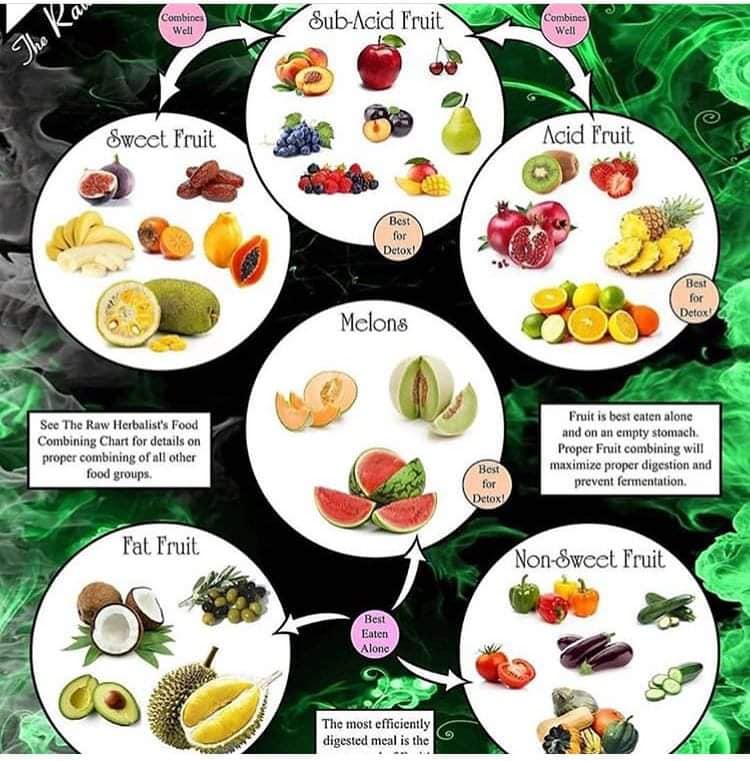
Digestive Health and Food Combining: Simplicity, Tolerance and the Natural Hygiene Approach
Natural Hygiene has long placed unusual importance on how foods are combined, not simply which foods are eaten. The practical idea is straightforward: simpler meals can be easier to interpret, may reduce excessive meal size and can help a person recognise combinations that consistently leave them comfortable or uncomfortable.
Watch: The Importance of Digestive Health
How Digestion Actually Handles Mixed Food
The stomach and small intestine routinely digest meals containing carbohydrate, protein and fat together. Stomach acid does not need to become alkaline to digest starch, and protein and starch digestive processes do not simply cancel one another out. Pancreatic enzymes and bile enter the small intestine and work on different food components simultaneously.
This means the traditional Natural Hygiene acid-versus-alkaline explanation for strict food combining should not be presented as established digestive chemistry.
Why Simpler Combinations Can Still Matter
That does not make meal simplicity meaningless. Large meals, high-fat meals and certain fermentable carbohydrates can alter gastric emptying, fullness, reflux, gas and bloating. Individual tolerance also varies considerably.
This gives the Natural Hygiene practice a more defensible foundation: simpler meals reduce variables and may make digestion feel easier for some people, even though the body is physiologically capable of digesting mixed meals.
Fruit Alone or With Other Foods?
Fruit contains water, carbohydrate, fibre and many micronutrients. Some people prefer fruit on its own and find large mixed meals containing fruit uncomfortable. Fruit does not, however, inevitably become trapped behind other food and ferment in the stomach. Gastric contents mix and empty progressively rather than forming permanent layers.
Eating fruit as a mono-meal can still be a perfectly reasonable Natural Hygiene practice when it suits appetite, digestion and overall nutritional needs.
Fermentation: Useful and Sometimes Uncomfortable
Fermentation is a normal part of colonic biology. Microbes ferment fibres and other carbohydrates that reach the large intestine, producing gases and metabolites including short-chain fatty acids. Excessive fermentation can contribute to bloating in susceptible people, but gas does not automatically mean food has putrefied because it was combined incorrectly.
Watch: Digestion — Full Overview
The Natural Hygiene Principle That Remains
Natural Hygiene encourages people to observe their own responses rather than continually adding products to correct uncomfortable digestion. Meal size, eating speed, hunger, stress, food type, timing and combinations can all be observed.
The strongest principle is therefore not that there is one chemically perfect combination chart for every human being. It is that digestion deserves attention, simplicity can be useful, and the body’s response to a meal provides information.