
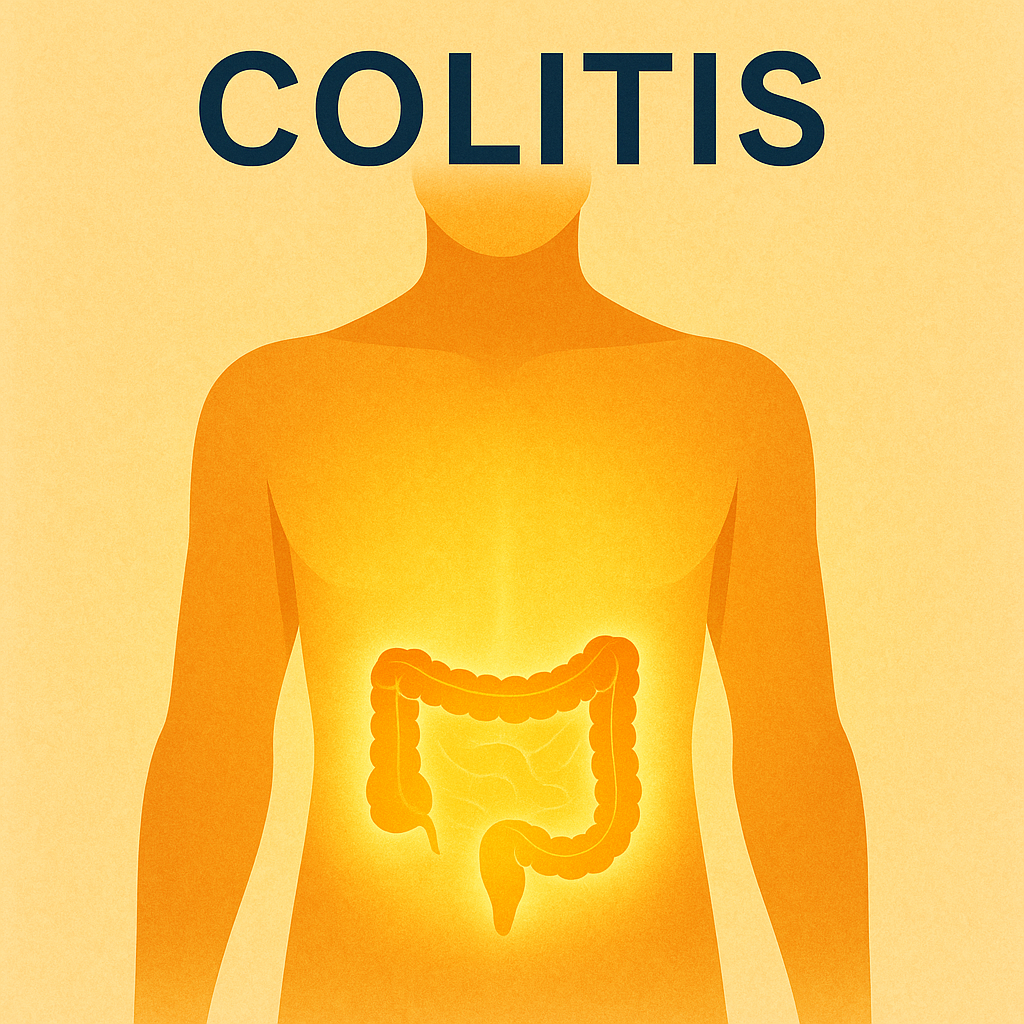
Colitis: A Natural Hygiene Perspective on Inflammation, Elimination and the Colon
Colitis simply means inflammation of the colon. It is not one single disease and can occur for different reasons. Symptoms can include abdominal pain, diarrhoea, urgency, mucus or blood in the stool and fatigue. Understanding the particular type of colitis matters, especially when symptoms are severe or persistent.
What Inflammation and Diarrhoea Are Doing
Inflammation is an organised biological response involving blood flow, signalling chemicals and changes in tissue activity. Diarrhoea also increases the speed at which intestinal contents leave the body. These are real physiological responses, although they can themselves become damaging when intense or prolonged.
Natural Hygiene interprets these observations through elimination and self-regulation. The colon is an eliminative organ, and NH therefore asks what irritation, digestive burden and wider terrain surround an inflamed bowel. This provides a basis for discussing cleansing and elimination without claiming that every case of colitis is simply a beneficial healing crisis.
Toxaemia, Enervation and Digestive Terrain
Natural Hygiene uses toxaemia to describe excessive internal burden and enervation to describe reduced functional energy. Applied to bowel health, the approach considers food quality and quantity, eating frequency, hydration, sleep, stress, movement, bowel habits and substances that may irritate the digestive tract.
The gut and nervous system are closely connected, so psychological stress can genuinely alter motility, sensation and digestive function. That makes emotional calm relevant without requiring the stronger claim that unexpressed emotions directly cause colitis.
Rest, Food and Fasting
Natural Hygiene favours reducing unnecessary digestive demands and using simple foods according to tolerance. During significant diarrhoea or active inflammatory bowel disease, however, hydration and adequate nutrition are particularly important and food tolerance can differ greatly between individuals.
Fasting and digestive rest belong to Natural Hygiene tradition, but prolonged fasting should not automatically be used during severe colitis, bleeding, dehydration, weight loss or nutritional depletion. The principle is to reduce burden while respecting the body’s actual needs.
When Colitis Needs Assessment
Significant rectal bleeding, severe or increasing abdominal pain, persistent vomiting, dehydration, abdominal swelling, high fever, rapid deterioration or substantial unexplained weight loss require medical assessment. Persistent symptoms also deserve investigation to establish what type of colitis is present.
The Microbiome and the Digestive Terrain
The colon contains a dense microbial community whose composition and activity are influenced by available substrates, transit, medicines, diet and the local intestinal environment. Natural Hygiene’s terrain model is particularly relevant here because microorganisms do not operate independently of the conditions around them.
This does not establish that one unfavourable microbial population is the universal cause of colitis. It does support the broader principle that bowel health involves an interaction between tissue, food, microbes, motility, nervous-system signalling and the wider state of the person.
The Observation and the Interpretation
The observation is that colitis involves genuine inflammation and can involve rapid elimination through diarrhoea. Natural Hygiene interprets those responses through self-regulation, elimination, terrain, toxaemia and enervation.
What goes beyond the evidence is assuming that bleeding, ulceration or prolonged diarrhoea must be beneficial because material is leaving the body. Elimination can be real while excessive inflammation and fluid loss can also become harmful.
Related Bowel Reading
Natural Hygiene foundation: The Natural Hygiene approach