
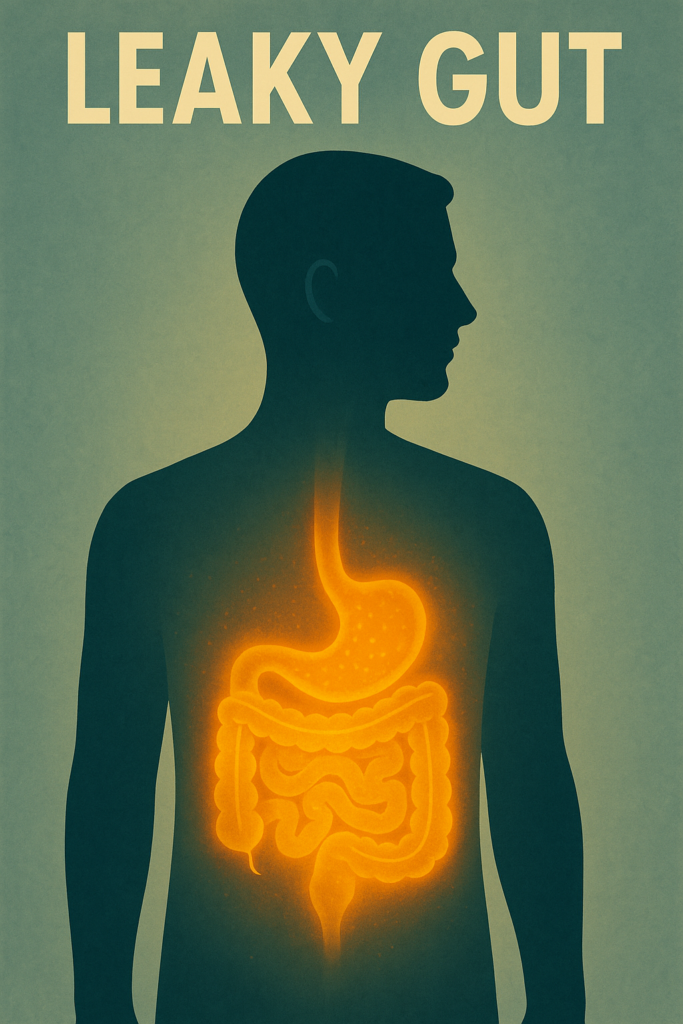
Leaky Gut: Intestinal Permeability and the Natural Hygiene Terrain
The intestinal lining is a selective barrier. It must absorb nutrients while limiting the passage of potentially harmful material. Its cells are connected by structures including tight junctions whose permeability can change according to physiological and disease processes.
“Leaky gut” is a popular term for increased intestinal permeability. Increased permeability is documented in several conditions, but the phrase is often used much more broadly than the evidence supports.
A Living Barrier, Not a Passive Wall
The intestinal barrier includes epithelial cells, mucus, microbial communities, signalling molecules and underlying tissues. It is continually renewed. This active maintenance provides a useful Natural Hygiene example of self-repair and terrain.
Inflammation can alter permeability, but increased permeability should not automatically be described as an intentional cleansing mechanism. Significant barrier disruption can allow microbial products and other substances greater access to underlying tissues and contribute to inflammation.
Food, Microbes and the Terrain
Diet influences the intestinal environment, microbial metabolism and bowel function. Natural Hygiene’s preference for minimally processed plant foods can support fibre intake and microbial diversity where those foods are tolerated.
Humans normally digest cooked food, fats, proteins and mixed meals. These foods do not simply remain in the bowel producing acidic toxic residues because they are “unnatural”. Individual intolerances and particular digestive diseases are different questions.
Stress and Intestinal Function
The gut and brain communicate through neural, hormonal and other pathways. Stress can change gut sensation, motility and some aspects of barrier function. This makes rest and nervous-system regulation relevant without claiming emotional strain literally opens holes in the intestine.
Symptoms Need Their Own Explanation
Bloating, fatigue, skin symptoms, joint pain and brain fog are non-specific. Their presence does not by itself demonstrate intestinal permeability or prove that toxins are leaking from the bowel and escaping through the skin or joints.
Natural Hygiene’s useful question remains: what conditions support a healthy intestinal terrain? Nourishment, sleep, movement, avoiding unnecessary irritants and addressing persistent digestive problems all matter.
Toxaemia, Elimination and Barrier Function
Classical Natural Hygiene uses toxaemia to describe a broader internal burden. The intestinal barrier is relevant to that discussion because it genuinely regulates what crosses from the gut lumen into underlying tissues and circulation. NBI can therefore discuss permeability as part of terrain without turning “leaky gut” into a universal explanation for unrelated symptoms.
The bowel also participates in elimination, while the liver, kidneys, lungs and other systems handle different aspects of metabolism and excretion. Increased intestinal permeability is not proof that all of those systems have become overloaded.
Vital Economy and Renewal
The intestinal lining renews rapidly and requires energy and nutrients for normal maintenance. Natural Hygiene’s Vital Economy provides a useful demand-and-recovery perspective, particularly where poor sleep, undernutrition, illness or chronic stress coexist. This is different from claiming that fasting automatically seals the intestinal barrier.
The Observation and the Interpretation
The observation is that intestinal permeability is real, measurable and can change in health and disease. Natural Hygiene interprets the barrier within the wider terrain of food, microbes, mucus, tissue health, nervous-system state, nourishment and elimination.
What goes beyond the evidence is assuming that every vague symptom proves toxins are leaking through holes in the bowel. A real physiological phenomenon should not be stretched into a universal diagnosis.
Related Digestive Reading
Natural Hygiene foundation: The Natural Hygiene approach