Dysautonomia: A Natural Hygiene Perspective on Autonomic Regulation, Circulation and Recovery
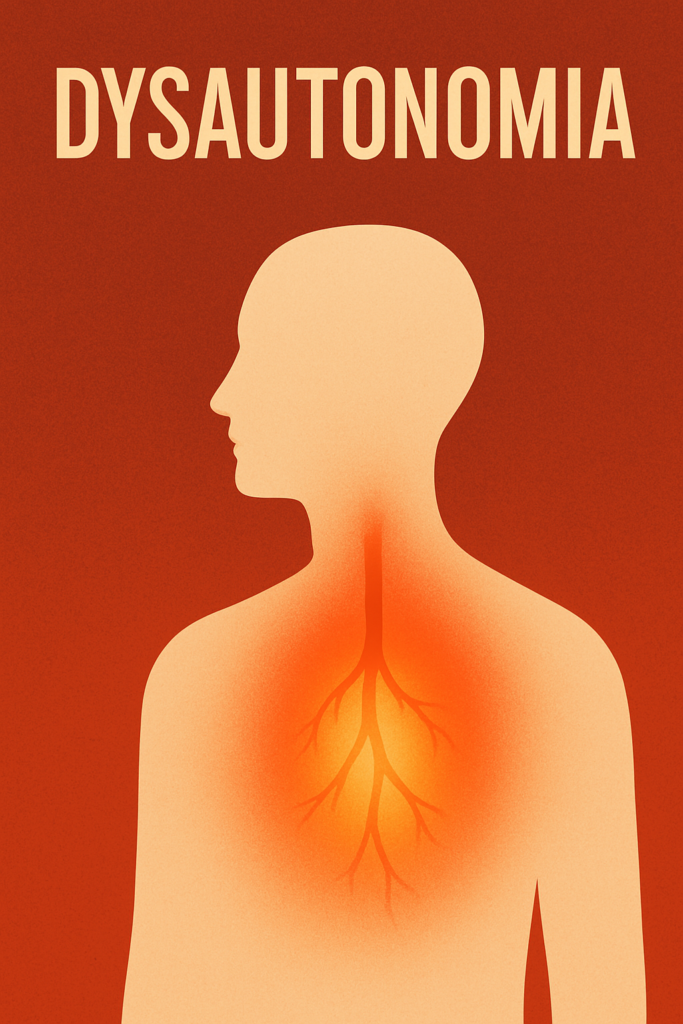
Dysautonomia is an umbrella term for disorders affecting the autonomic nervous system, which helps regulate heart rate, blood pressure, digestion, sweating, temperature and other largely automatic functions.
More Than “Sympathetic Dominance”
The autonomic nervous system includes sympathetic and parasympathetic pathways, but they do not operate as a simple on/off pair that must always be equally balanced. Different forms of dysautonomia can involve blood-volume regulation, heart-rate control, nerve function, vascular responses and other mechanisms.
Chronic stress and poor sleep can affect autonomic symptoms. This gives Natural Hygiene’s emphasis on nervous-system load and enervation a useful role, but dysautonomia should not automatically be reduced to years of stress or stimulation.
Posture, Blood Flow and Fluid Regulation
Standing causes blood to move towards the lower body. The autonomic nervous system normally responds by adjusting heart rate and blood-vessel tone to maintain blood flow to the brain. In some dysautonomias these compensations are impaired or exaggerated, producing dizziness, palpitations or faintness.
This is a concrete example of terrain and regulation: circulation, fluid volume, hormones, nerves and physical conditioning all interact. It is more precise than describing the bloodstream as acidic or toxic and the nerves as misfiring because waste has accumulated around them.
Enervation and Vital Economy
Natural Hygiene’s Vital Economy is useful when understood as demand versus present capacity. Standing, heat, exertion, large meals, poor sleep or prolonged stress can represent substantial demands for some people with dysautonomia. Pacing can therefore be sensible without assuming the person has literally run out of nerve energy.
The aim is to understand which demands destabilise regulation and which forms of activity help build capacity without repeatedly overwhelming it.
Food, Fluids and the Wider Terrain
Hydration and nutrition affect circulation and general physiology. Individual fluid and electrolyte needs can vary considerably depending on the form of dysautonomia and other medical conditions. Fresh fruit and vegetables can contribute water and nutrients, but they should not be described as cleansing toxins from autonomic nerves.
Rest Without Assuming Complete Inactivity
Sleep and pacing can be important when symptoms are severe. Depending on the type of dysautonomia, carefully adapted or recumbent physical conditioning may also be useful because prolonged inactivity can worsen orthostatic tolerance. Individual causes and limitations matter.
The Observation and the Interpretation
The observation is that autonomic regulation can measurably alter heart rate, vascular tone, blood pressure, digestion, sweating and temperature control. Natural Hygiene interprets these changes within the wider terrain of sleep, stress, movement, nourishment, circulation and recovery.
What goes beyond the evidence is claiming that dysautonomia is simply accumulated toxicity or a universal sympathetic-overdrive state. The terrain can influence regulation without replacing the specific physiological mechanisms involved.
Frequent fainting, new chest pain, severe breathlessness or major changes in heart rhythm deserve medical assessment.
Related Reading
Natural Hygiene foundation: Vital Economy, rest and nervous-system recovery