
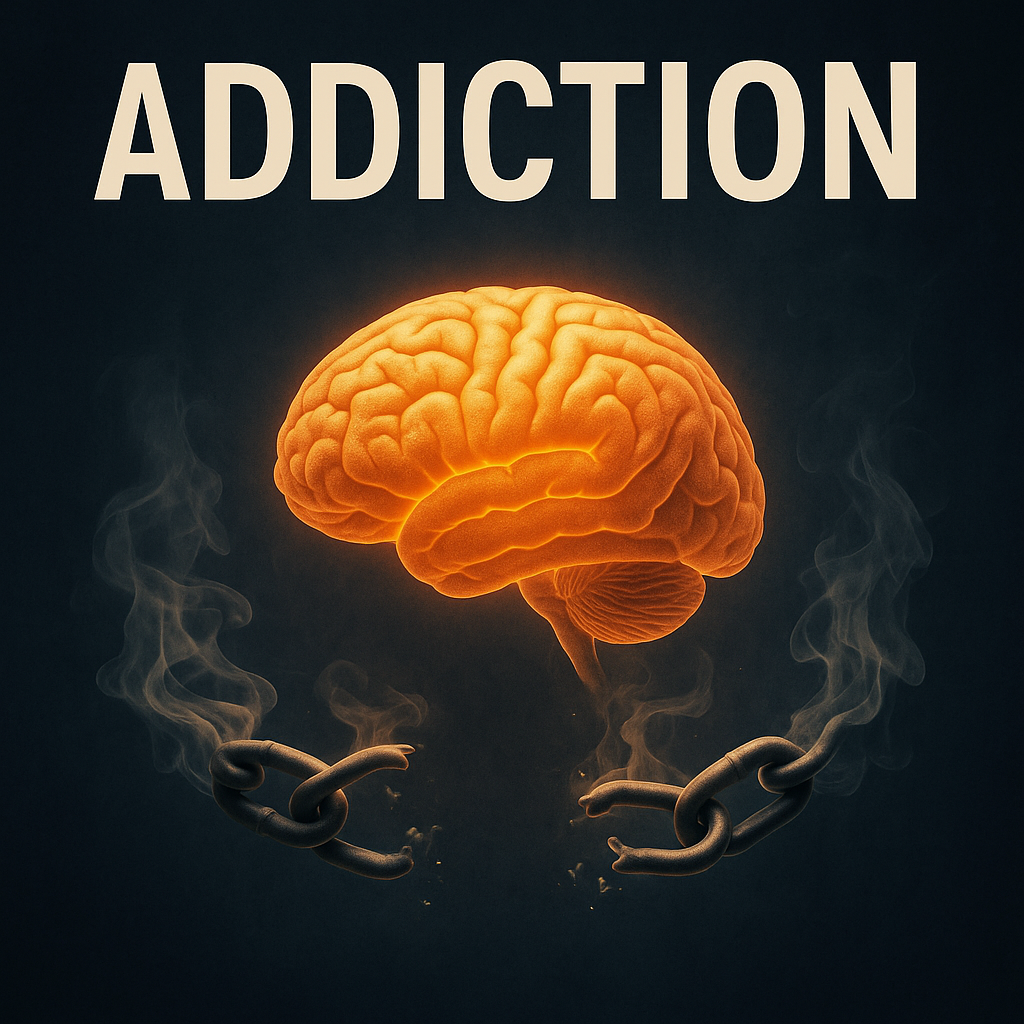
Addiction: A Natural Hygiene Perspective on Reward, Relief and Recovery
Addiction is not simply weak willpower. It is a persistent pattern in which a substance or behaviour becomes difficult to control despite harm or a genuine desire to stop. Alcohol, nicotine and other drugs can produce addiction, while compulsive behaviours such as gambling can engage some of the same learning and reward processes.
Natural Hygiene adds an important question: what conditions made repeated stimulation or relief so valuable to the person in the first place?
Reward, Learning and Adaptation
The brain learns from experiences that produce reward, relief or escape. Repetition can strengthen associations between a substance or behaviour and particular places, emotions, people or times of day. With some substances, repeated exposure also produces tolerance, withdrawal and other physical adaptations.
These are real biological processes. Natural Hygiene does not need to deny them. Its contribution is to look beyond the addictive object itself at the person’s wider terrain: sleep, stress, nourishment, stimulation, relationships, environment, emotional distress and opportunities for genuine recovery.
Enervation and the Search for Relief
Classical Natural Hygiene uses enervation to describe a state in which demands repeatedly exceed recovery. Someone who is exhausted, stressed, lonely, distressed or chronically overstimulated may discover that a substance or behaviour temporarily changes how they feel.
That does not mean every addiction is caused by depleted “nerve energy”. Genetics, exposure, trauma, mental health, social conditions, availability and the pharmacology of the substance can all matter. But the demand-versus-recovery model can help explain why the immediate promise of stimulation or relief becomes especially compelling in some circumstances.
“Borrowed Energy”
Natural Hygiene traditionally describes stimulants as providing false or borrowed energy. There is a useful physiological idea beneath that phrase. Caffeine, for example, can reduce the sensation of tiredness by blocking adenosine signalling, while nicotine affects neurotransmitter systems involved in attention and reward. Feeling more alert does not mean that missed sleep or prolonged exhaustion has been repaired.
Different substances act differently, however, so addiction should not be reduced to one adrenal or “energy reserve” mechanism.
Cravings Are Learned and Physical
Cravings can be triggered by withdrawal, expectation, memory, emotion and environmental cues. A familiar place, stressful event or social situation can become strongly associated with the anticipated reward or relief.
This is why changing the terrain includes changing routines and environments, not merely trying harder to resist an urge.
Food and the Wider Terrain
Regular nourishment and hydration can support recovery, particularly when substance use has displaced meals or affected nutritional status. NBI favours simple whole foods, abundant fruit and vegetables and reducing reliance on highly processed foods.
Fruit provides carbohydrate, water, fibre and micronutrients, but it does not “purify the blood” in a way that automatically removes addiction. Likewise, ordinary cooked foods do not act on the brain in the same way as addictive drugs simply because they are cooked.
Stress, Emotion and Environment
People may repeatedly use substances or behaviours to alter anxiety, loneliness, boredom, grief, shame, pain or stress. Those emotions are not toxins that must physically leave the body. They can nevertheless influence autonomic activity, sleep, attention, behaviour and the desire for immediate relief.
Supportive relationships, meaningful activity, daylight, movement, time outdoors, adequate sleep and a less chaotic environment can all become part of rebuilding the terrain in which recovery occurs.
Withdrawal Is Not Always a Detoxification Crisis
When a repeatedly used substance is stopped, the body may need time to adapt to its absence. Symptoms can therefore occur during withdrawal. Natural Hygiene has often interpreted this broadly as cleansing or readjustment.
The adaptation is real, but withdrawal symptoms have substance-specific mechanisms and should not all be labelled toxins leaving the body. Withdrawal from some substances, particularly heavy alcohol or sedative use, can also be medically dangerous and may require supervised care.
Where Fasting Fits
Natural Hygiene traditionally uses fasting as a period of physiological rest. It should not be treated as a universal addiction treatment. During withdrawal or nutritional depletion, the body may need fluids, electrolytes, nourishment and appropriate clinical support rather than an additional metabolic stress.
The Natural Hygiene Interpretation
Addiction can be understood as more than the substance itself. It develops within a biological, psychological and social environment. Natural Hygiene’s strongest contribution is its insistence on examining that entire environment rather than concentrating only on suppressing a craving.
Recovery can therefore involve removing the addictive stimulus while also rebuilding sleep, nourishment, movement, relationships, purpose, emotional support and genuine opportunities for rest. The aim is not simply to fight an urge, but to create conditions in which healthier forms of reward, regulation and relief can become established.
Related Reading
Natural Hygiene foundation: Vital Economy and nervous-system load