
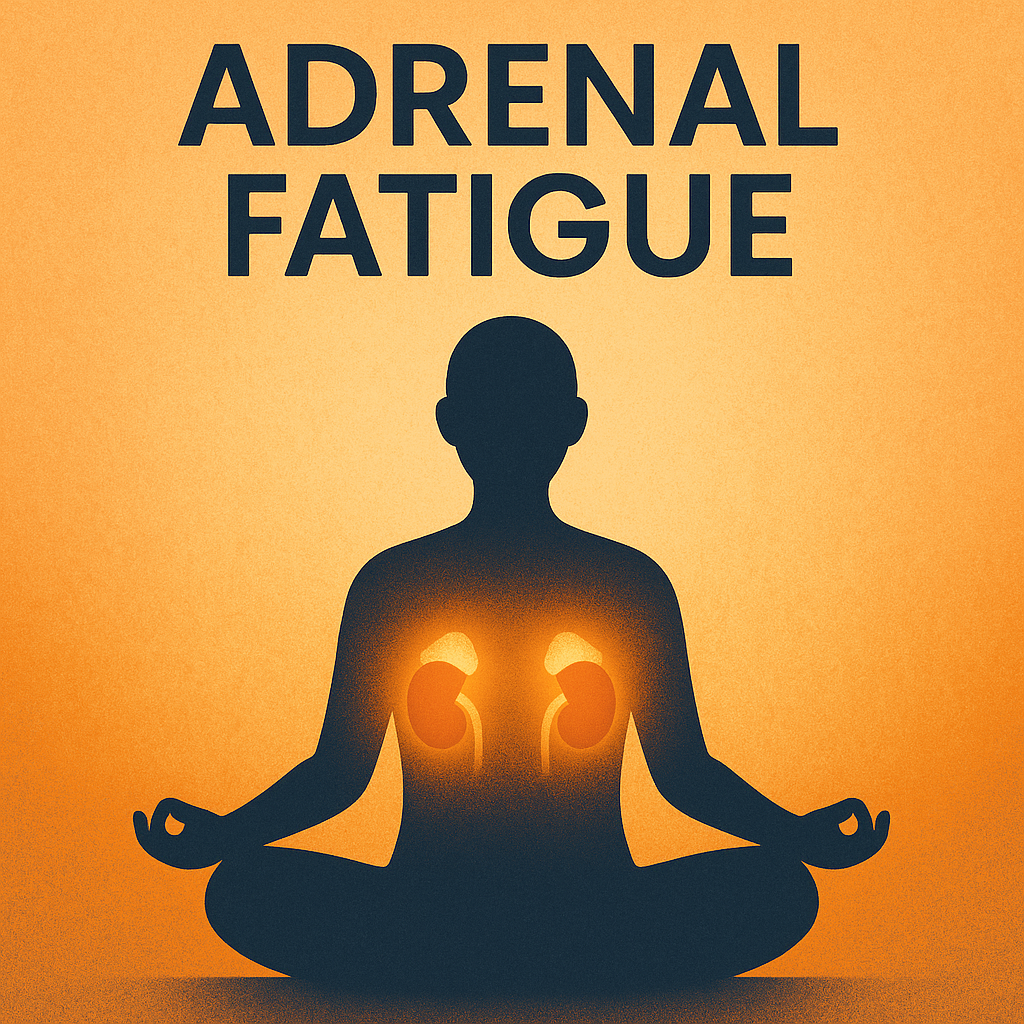
Adrenal Fatigue: A Natural Hygiene Perspective on Stress, Enervation and Recovery
“Adrenal fatigue” is a popular term for persistent tiredness, poor stress tolerance, disrupted sleep and a feeling of being depleted after prolonged strain. Natural Hygiene has a longstanding concept that maps closely onto this lived experience: enervation.
What the Adrenal Glands Actually Do
The adrenal glands produce hormones including cortisol, adrenaline and aldosterone. These participate in stress responses, blood-pressure regulation, metabolism and fluid and electrolyte balance. Their activity is coordinated with the brain and pituitary through regulatory systems including the hypothalamic-pituitary-adrenal axis.
Do the Adrenals “Run Out”?
The common adrenal-fatigue explanation says repeated stress exhausts the glands until they can no longer make enough cortisol. That simple depletion model has not been established as the explanation for ordinary chronic fatigue or burnout. Genuine adrenal insufficiency is a specific medical condition and is different from the popular use of “adrenal fatigue”.
This does not make the person’s exhaustion unreal, nor does it make the Natural Hygiene concept useless. NH describes enervation as a state in which ongoing demands repeatedly exceed opportunities for recovery. That framework does not require the adrenal glands themselves to be physically worn out.
Stress Changes Physiology
Long periods of psychological or physical stress can alter sleep, appetite, muscle tension, activity, attention and hormonal rhythms. Caffeine and other stimulants can temporarily mask tiredness while also interfering with sleep in susceptible people. A cycle of poor sleep, stimulation and further fatigue can therefore become self-reinforcing.
This provides a strong physiological bridge to Natural Hygiene’s Law of Vital Economy: the body continually allocates resources according to current demands, and recovery requires genuine periods in which those demands are reduced.
The Natural Hygiene Approach
Consistent sleep, daylight, appropriate movement, adequate nutrition, reducing unnecessary stimulants and creating periods of real mental and physical rest all fit the NH approach. Someone who is already depleted may need activity matched to present capacity rather than repeated cycles of overexertion and collapse.
The Wider Terrain
Natural Hygiene does not isolate the adrenal glands from the rest of the organism. Sleep timing, nourishment, movement, psychological demand, stimulant use, illness, work patterns and opportunities for genuine rest all form part of the terrain in which stress regulation occurs.
Classical Natural Hygiene would also discuss toxaemia. NBI uses this as a broad internal-burden concept rather than claiming that unidentified toxins directly exhaust the adrenal glands. Alcohol, smoking, stimulant dependence, poor nutrition and repeated sleep loss can create real physiological burdens without requiring a single toxin explanation.
The Observation and the Interpretation
The observation is that prolonged demand can be accompanied by profound fatigue, disturbed sleep, reduced resilience and altered stress physiology. Natural Hygiene interprets this through enervation and Vital Economy: demand has repeatedly exceeded recovery and the conditions for restoration need to be rebuilt.
What goes beyond the evidence is claiming that ordinary chronic stress literally drains the adrenal glands until they can no longer make cortisol. The Natural Hygiene model remains useful without depending on that mechanism.
Persistent severe fatigue should not automatically be labelled adrenal fatigue. Anaemia, thyroid disorders, sleep apnoea, medication effects, nutritional deficiency, depression and many other conditions can produce similar symptoms.
Severe weakness with vomiting, abdominal pain, very low blood pressure, fainting, dehydration or confusion can occur with true adrenal insufficiency and requires urgent medical assessment.
Related Reading
- Nervous Exhaustion
- Burnout
- Chronic Fatigue (ME/CFS)
- The Endocrine System
- What Is Enervation?
- The Law of Vital Economy