Anaemia: A Natural Hygiene Perspective on Blood, Nourishment and Vitality
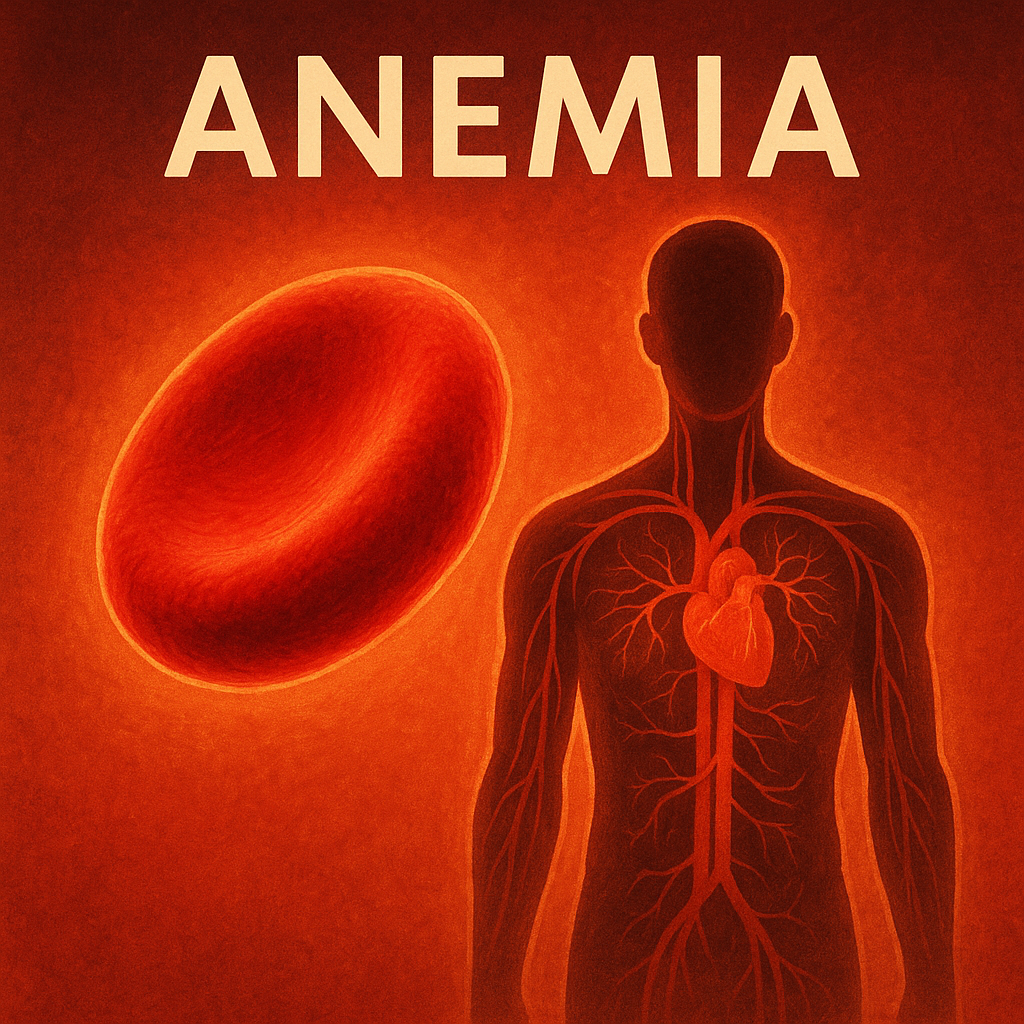
Anaemia means that the blood does not have enough haemoglobin, or enough healthy red blood cells carrying haemoglobin, to meet the body’s needs effectively. Because haemoglobin carries oxygen, anaemia can produce fatigue, weakness, breathlessness, paleness, dizziness and a rapid heartbeat.
Blood Is Continually Renewed
Red blood cells are continually produced in bone marrow and old cells are continually removed and recycled. Production requires nutrients including iron, vitamin B12 and folate, together with functioning bone marrow and hormonal signals such as erythropoietin from the kidneys.
This continual renewal fits naturally with the Natural Hygiene emphasis on nourishment and the conditions required for normal self-maintenance. The body needs both the raw materials and the physiological capacity to absorb, transport and use them.
Iron Deficiency: Intake, Absorption and Loss
Natural Hygiene is right to look beyond simply swallowing more iron: absorption matters. But iron-deficiency anaemia can genuinely result from inadequate iron availability, poor absorption or ongoing blood loss. Heavy menstrual bleeding and gastrointestinal bleeding are important examples.
Therefore persistent iron deficiency should not automatically be attributed to toxaemia or enervation. The terrain question remains valuable — what is the person’s diet, digestion, health and overall condition? — while the reason iron is low still needs to be understood.
Enervation and the Experience of Fatigue
Natural Hygiene uses enervation to describe diminished functional energy. Anaemia provides a clear reason someone may experience that reduced capacity: less effective oxygen transport can make ordinary exertion harder. Rest and avoiding continual overstimulation may therefore be appropriate while the underlying cause is addressed.
Food and Supplementation
A nutritious diet needs to provide the nutrients required for blood formation. Plant foods can provide iron, while vitamin C eaten with plant sources can improve absorption. Vitamin B12 requires particular attention in vegan diets because reliable dietary plant sources are not generally available.
Supplements should not be dismissed as “forcing” the body when a genuine deficiency exists. Equally, iron should not be taken indefinitely without knowing whether deficiency is present and why it developed.
Toxaemia, Terrain and Blood Formation
Classical Natural Hygiene uses toxaemia to describe a wider internal burden and places great emphasis on the condition of the blood and tissues. Anaemia gives us a useful place to make that idea more precise. Blood is not a static fluid that simply becomes “dirty”; its cells and plasma are continuously produced, recycled and regulated through the bone marrow, kidneys, liver, digestive system and nutritional supply.
The Natural Hygiene terrain question is therefore broader than “How much iron am I eating?” It asks whether the person is receiving, absorbing and retaining the materials required for healthy blood formation and whether another process is causing loss or interfering with production.
Vital Economy and Oxygen-Carrying Capacity
The Law of Vital Economy is also relevant. When oxygen-carrying capacity is reduced, ordinary activity can represent a greater physiological demand. Fatigue, breathlessness and the need to slow down can therefore contain useful information about present capacity.
That does not mean anaemia is deliberately created by the body to force rest. It means that respecting reduced capacity while correcting the cause is more sensible than repeatedly masking fatigue with stimulation.
The Observation and the Interpretation
The observation is that haemoglobin and red-blood-cell abnormalities can measurably reduce oxygen transport. Natural Hygiene interprets the wider situation through nourishment, absorption, terrain, enervation and the conditions required for continual renewal.
What goes beyond the evidence is claiming that anaemia is simply toxic blood, poor oxygen caused by cooked food, or a cleansing response that will resolve through fasting. In some forms of anaemia, further dietary restriction could make the underlying problem worse.
Severe breathlessness, chest pain, fainting, rapid deterioration, major bleeding or very severe weakness requires prompt medical assessment.
Related Reading
- Blood & Circulatory System
- Chronic Fatigue (ME/CFS)
- Low Blood Pressure
- Menstrual Disorders
- What Is Enervation?
Blood & Circulation Hub
Natural Hygiene foundation: Vital Economy, energy and recovery