
Blood and Circulation: A Natural Hygiene Perspective on Transport, Flow and Internal Terrain
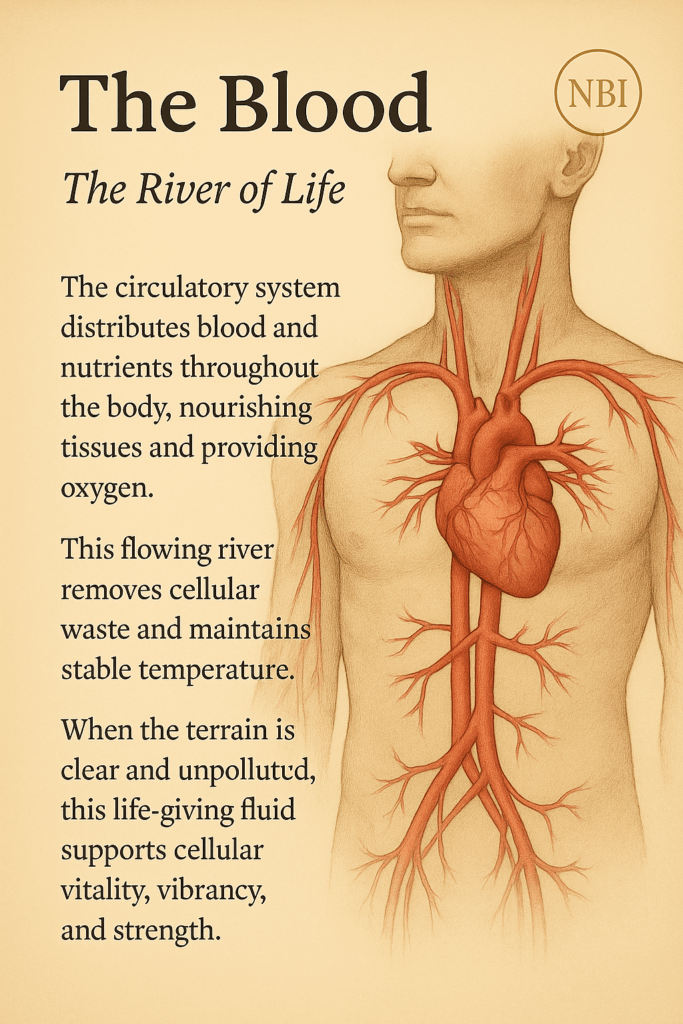
Blood is a living transport tissue connecting every organ. It carries oxygen, nutrients, hormones, heat, immune cells and metabolic products while helping maintain fluid, acid-base and temperature balance.
Blood Really Does Reflect the Internal Environment
Blood composition changes continually after eating, during exercise, with hydration, illness and according to organ function. Glucose, lipids, electrolytes, gases, hormones and waste products can all be measured in it. This provides a powerful physiological foundation for Natural Hygiene’s concept of terrain.
The liver, kidneys, lungs, digestive system and other tissues continually regulate what remains in circulation. NH describes excessive internal burden through the concept of toxaemia, encouraging attention to the inputs and living conditions affecting this internal environment.
Does Unhealthy Food Make the Blood “Thick”?
Blood viscosity is real and is influenced by factors including red-cell concentration, plasma proteins, temperature and hydration. Blood lipids also change after meals and over the longer term. But processed food, cooked fat or animal food does not simply turn blood into toxic sludge that can no longer circulate through capillaries.
The stronger Natural Hygiene argument is long-term vascular terrain: smoking, blood pressure, glucose regulation, blood lipids, activity, body composition, sleep and dietary patterns can influence vessel health and circulation over time.
Movement, Hydration and Flow
The heart pumps blood continuously, while movement changes tissue demand and assists venous return. Dehydration can reduce plasma volume and concentrate the blood, so adequate fluid intake matters. Water-rich fruit and vegetables contribute to hydration, as does ordinary drinking water.
Vital Economy and Circulatory Adaptation
Circulation is highly adaptive: heart rate and vessel diameter change according to activity, temperature, posture and nervous-system signals. Natural Hygiene’s Law of Vital Economy can be used as a broader way of considering how the body allocates resources according to demand, while measurable circulatory mechanisms remain important.
Explore Related Conditions & Symptoms
- Circulatory & Sensory Sensations
- Heart Disease
- High Blood Pressure
- Low Blood Pressure
- Poor Circulation
- The Heart
- Varicose Veins
- Angina