
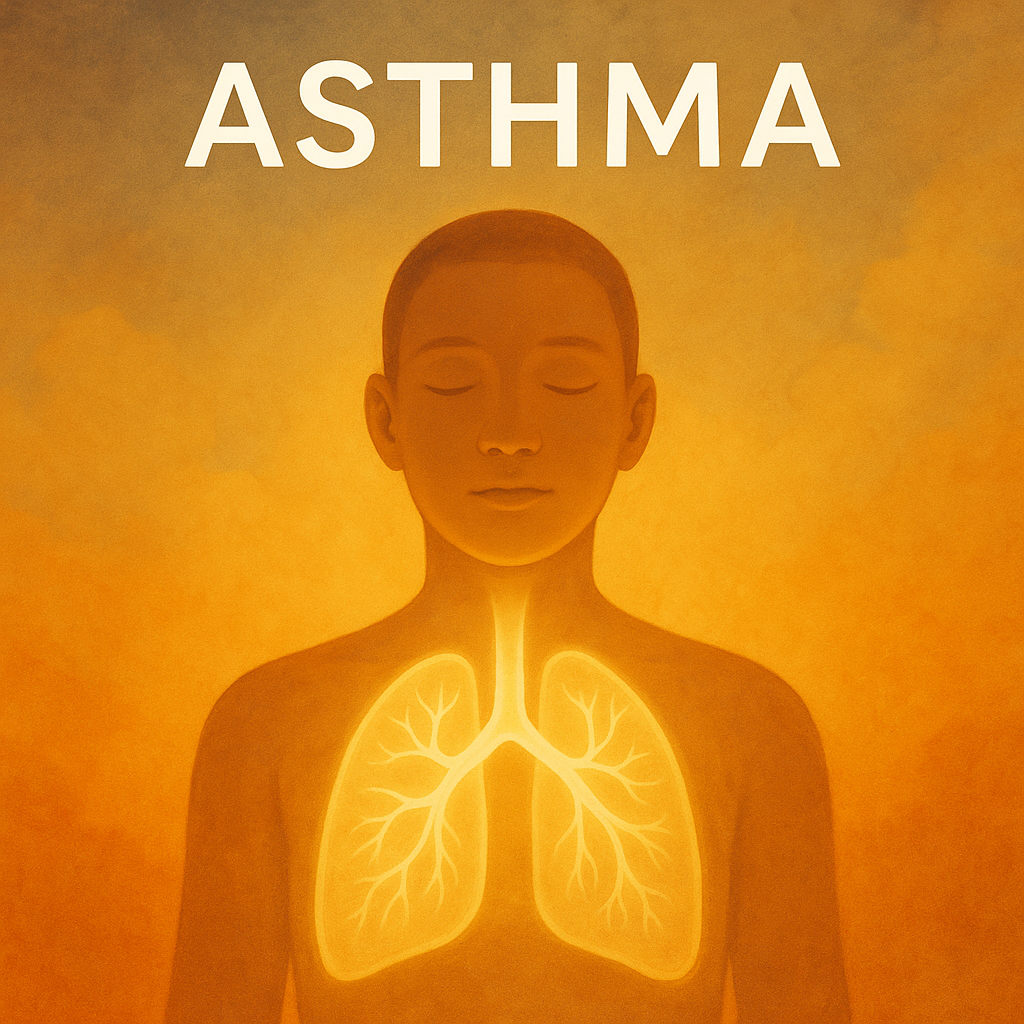
Asthma: A Natural Hygiene Perspective on Airways, Terrain and Breathing
Asthma is a condition in which the airways become inflamed, narrowed and unusually reactive. During an episode the muscles around the airways can tighten, the lining can swell and mucus can increase, producing wheezing, coughing, chest tightness and breathlessness.
What Is Actually Happening in the Airways?
Conventional physiology describes bronchoconstriction, inflammation and mucus production. These are observable processes. Mucus itself is not simply waste: it normally helps trap particles and protect airway surfaces, while coughing helps move material out of the respiratory tract.
Natural Hygiene builds on these protective functions. It asks why the respiratory terrain has become so reactive and what repeated irritants or wider physiological burdens are contributing. This is different from claiming that every asthma attack is the lungs deliberately expelling toxins.
Terrain, Enervation and Irritation
Natural Hygiene considers the whole environment in which the lungs function: smoke and air pollution, sleep, stress, physical conditioning, food, hydration, indoor irritants and general vitality. The concepts of toxaemia and enervation are used to describe accumulated burden and reduced functional energy.
This terrain perspective has a practical foundation: asthma symptoms can be affected by environmental exposures, respiratory irritants, exertion, stress and other individual triggers. NH extends the discussion beyond trigger avoidance to ask how the person’s overall conditions of health can be improved.
Supporting the Respiratory Terrain
Avoiding tobacco smoke and known irritants, improving indoor air quality, sleeping adequately, staying appropriately active and maintaining good general nutrition all fit the Natural Hygiene approach. Breathing exercises may help relaxation and breathing awareness, but they are not a substitute for treatment during a significant asthma attack.
Fasting has a place in Natural Hygiene tradition, but an acute breathing crisis is not the time to rely on fasting or detoxification. Prescribed reliever or preventer inhalers should not be stopped simply because Natural Hygiene favours removing unnecessary medication.
When Breathing Becomes an Emergency
Severe breathlessness, difficulty speaking in sentences, blue or grey lips or skin, exhaustion, confusion, rapidly worsening symptoms or failure to improve with a prescribed reliever requires urgent medical help.
The Cleanup-Crew Interpretation
Conventional physiology groups many of the cells and signalling pathways active in airway inflammation under the immune system. Natural Hygiene does not deny those observed cells or processes. NBI questions the interpretation placed upon them and considers much of this activity within the body’s wider cleanup, maintenance, signalling, protection and repair response.
In simple terms, there is a cleanup crew. The disagreement is about what its activity represents and why the respiratory terrain remains so reactive. In asthma, organised biological activity can still contribute to excessive airway narrowing and persistent inflammation, so describing a response as purposeful does not mean every consequence is beneficial.
The Observation and the Interpretation
The observation is variable airway narrowing, inflammation, mucus production and hyperresponsiveness. Natural Hygiene interprets these within the wider terrain of irritants, stress, sleep, nourishment, breathing, activity, enervation and internal burden.
What goes beyond the evidence is claiming that every attack is deliberately created to detoxify the lungs or that toxins alone explain asthma. The response is real, terrain can influence it, and severe narrowing can dangerously restrict airflow.