
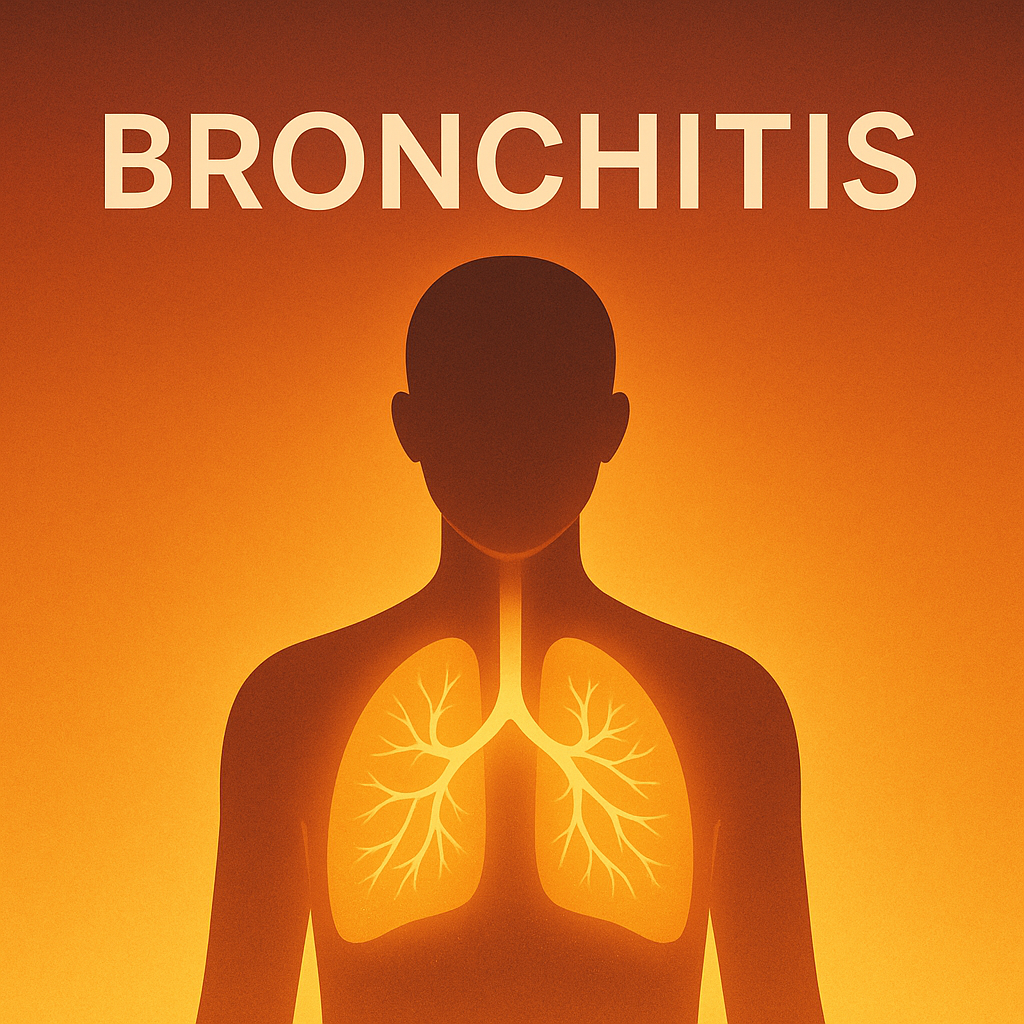
Bronchitis: A Natural Hygiene Perspective on Coughing, Mucus and Recovery
Bronchitis is the familiar term for inflammation of the bronchial tubes, the airways that carry air into the lungs. Acute bronchitis commonly involves coughing, mucus, chest discomfort and fatigue. Natural Hygiene keeps the recognised name while looking beyond the label at the conditions surrounding respiratory irritation and recovery.
The Natural Hygiene View
Coughing and mucus have useful physiological functions: they help move secretions and irritating material from the airways. Natural Hygiene therefore pays attention not only to stopping a cough but to what may be irritating the respiratory system and what conditions support recovery.
Sleep, rest, hydration, air quality, smoking or vaping, occupational irritants, previous respiratory problems, stress and general lifestyle all form part of that wider terrain. Natural Hygiene also uses concepts such as enervation and vital economy to describe the increased need for rest when the body is under strain.
Acute and Chronic Bronchitis
Acute bronchitis is usually short-lived, whereas chronic bronchitis means a persistent productive cough over a much longer period and can form part of chronic obstructive pulmonary disease (COPD). A recurring or long-lasting cough should not automatically be treated as a simple cleansing episode; it deserves proper assessment.
Supporting the Respiratory System
Rest, adequate fluids, clean air and avoiding smoke and other respiratory irritants are sensible foundations. Food can be kept simple according to appetite while someone is acutely unwell. Gentle movement can return as energy and breathing permit rather than being forced.
Seek medical assessment for significant breathlessness, chest pain, coughing blood, confusion, blue or grey lips or skin, dehydration, persistent high fever, rapidly worsening symptoms or a cough that is prolonged or recurrent. Babies, frail older people and people with existing heart or lung disease warrant particular care.
What Coughing and Mucus Are Actually Doing
Coughing mechanically helps move mucus and irritating material out of the airways, while mucus traps particles and helps protect respiratory surfaces. Conventional physiology recognises these protective functions. Natural Hygiene builds on that observation by asking whether automatically suppressing every cough or secretion is always the most useful objective.
The NH interpretation is not that every cough is “detox”. It is that a symptom can have a function. The practical focus therefore includes removing irritants, improving air quality, hydration and rest while distinguishing a useful protective response from breathing difficulty or persistent disease that needs assessment.
Microorganisms and the Respiratory Terrain
Acute bronchitis can occur alongside respiratory microorganisms. Natural Hygiene does not need to treat the presence of an organism as the whole explanation for the person’s experience. Microorganisms proliferate according to the conditions available to them, while airway surfaces, mucus movement, circulation, smoke exposure, sleep, nourishment and the person’s wider state all influence the respiratory terrain.
This terrain interpretation does not require denying that microorganisms can contribute to an acute episode. It asks a second question: what conditions surround the organism and the tissue response?
The Observation and the Interpretation
The observation is inflamed bronchial tissue with coughing and often increased mucus. Cough and mucus have genuine protective and clearance functions. Natural Hygiene interprets these within the wider terrain of irritation, microorganisms, enervation, air quality, nourishment and recovery.
What goes beyond the evidence is claiming that every case of bronchitis is deliberate detoxification or that all mucus consists of stored toxins. The symptom can have a function without every cause or consequence of the illness being beneficial.