
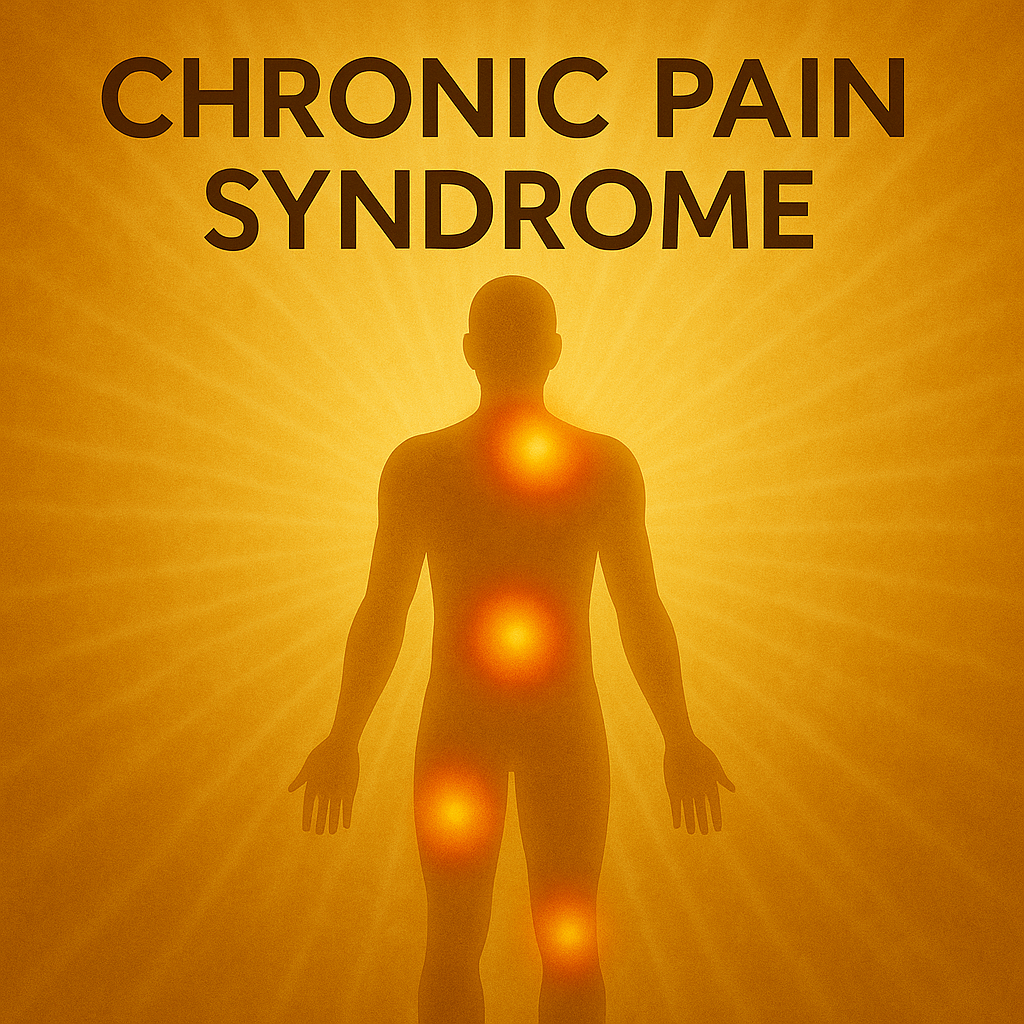
Chronic Pain Syndrome: A Natural Hygiene Perspective on Pain, Enervation and the Whole Terrain
Chronic pain is pain that persists or recurs beyond the expected period of short-term tissue healing. It can involve ongoing disease or injury, nerve damage, altered pain processing, inflammation, muscular tension and changes within the brain and nervous system.
Pain Is a Protective System
Pain is not simply a substance located inside a painful body part. It is an experience generated by the nervous system in response to perceived threat. That makes pain genuinely protective and meaningful, which provides a strong bridge to Natural Hygiene’s principle that symptoms should be understood rather than automatically treated as enemies.
But a protective system can become persistently sensitised. In chronic pain, the relationship between pain and tissue damage can change, so severe pain does not necessarily mean severe ongoing injury and persistent pain does not prove that the body is still trying to dissolve toxic deposits.
Inflammation: Organised but Not Always Harmless
Inflammation is an organised biological response involving blood vessels, immune signalling and tissue repair. It can be essential after injury. Persistent or excessive inflammation, however, can itself contribute to tissue damage and pain. It should not automatically be described as cleansing that must continue until purification is complete.
Where Enervation Fits
Natural Hygiene’s concept of enervation is highly relevant to chronic pain. Poor sleep, repeated overexertion, emotional strain and continual stimulation can reduce resilience and amplify the burden of living with pain. Pain itself can then disrupt sleep and activity, creating a difficult cycle.
The terrain therefore includes sleep, movement, nutrition, nervous-system state, social environment, previous injury, metabolic health and the underlying medical condition. This is a stronger whole-person model than saying every chronic pain condition has one cause — toxicity.
Rest, Movement and Recovery
Rest can reduce overload, while appropriate movement helps maintain strength, mobility and confidence. The balance is individual. Someone repeatedly crashing after exertion needs a different approach from someone becoming progressively deconditioned through fear of movement.
Nutritious food, good sleep, movement within capacity and reducing unnecessary stressors fit Natural Hygiene. Pain relief should not automatically be characterised as forcing toxins deeper into the body; symptom relief and addressing causes are not mutually exclusive.
New neurological weakness, loss of bladder or bowel control, severe unexplained pain, major trauma or rapidly changing symptoms requires medical assessment.
Toxaemia, Vital Economy and Pain
Classical Natural Hygiene uses toxaemia to describe the wider burden placed upon the organism. NBI can retain that terrain question while recognising that chronic pain is not evidence that generic toxins are physically stored in every painful tissue. Vital Economy is especially useful as a demand-and-capacity model: pain, poor sleep, stress and physical effort can each increase the demands a person is trying to manage.
The Observation and the Interpretation
The observation is persistent pain arising from interactions between tissues, inflammation where present, nervous-system processing, previous injury, health and context. Natural Hygiene interprets this within the wider terrain of sleep, movement, nourishment, enervation, stress and recovery.
What goes beyond the evidence is claiming that chronic pain necessarily represents stored toxins being expelled or that every flare is a healing crisis. Pain is meaningful information, but its mechanism and context still have to be understood.
Related Pain & Nervous-System Reading
Natural Hygiene foundation: Vital Economy, rest and recovery