
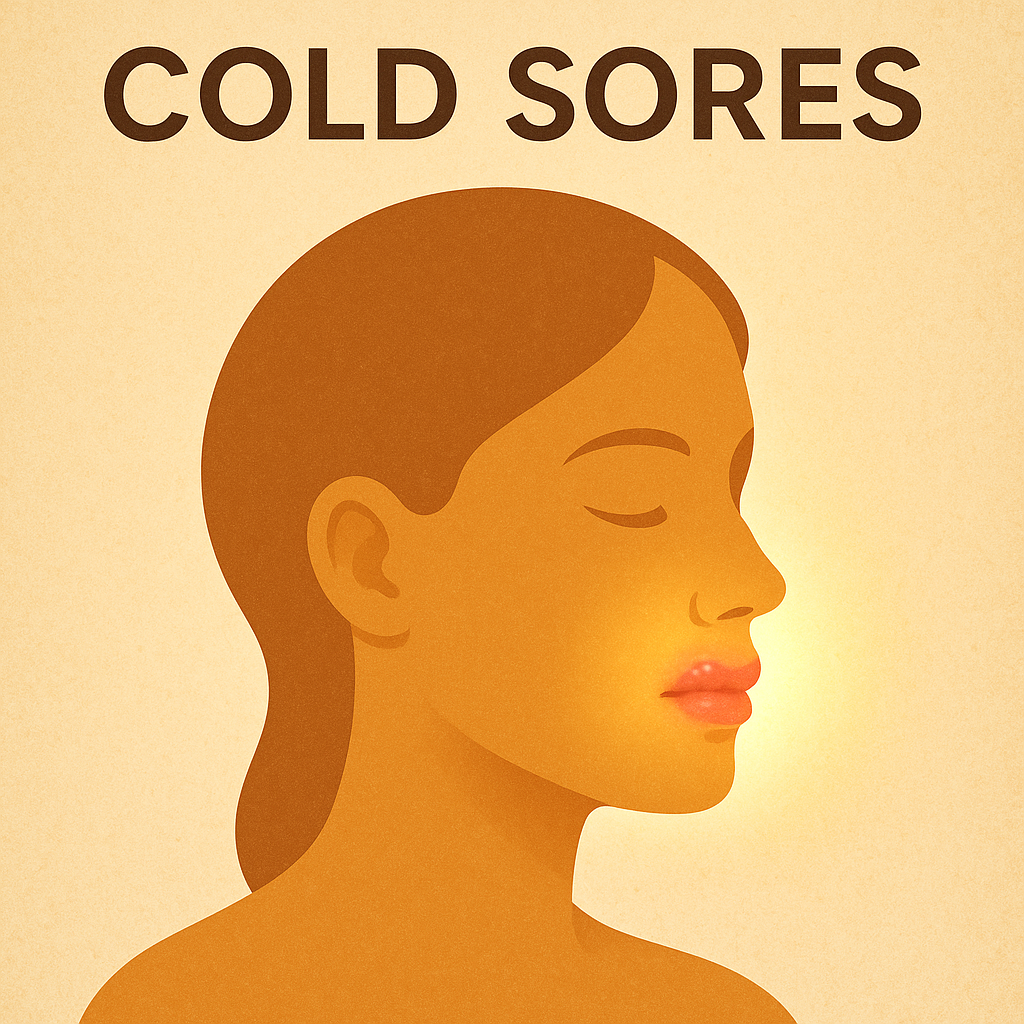
Cold sores are a visible surface event, but Natural Hygiene does not view the skin in isolation. The lips, skin, nervous system, circulation, sleep, stress levels and overall physiological condition all form part of the same picture.
Natural Hygiene is especially interested in why outbreaks tend to cluster around periods of exhaustion, emotional strain, illness, disrupted sleep, strong sun exposure or other forms of stress. Rather than treating the blister as the whole problem, NBI asks what was happening in the person before it appeared.
The Natural Hygiene View
Within Natural Hygiene, recurrent skin eruptions are interpreted in the context of the body’s wider internal condition. The emphasis is on terrain: vitality, rest, hydration, diet, emotional load, circulation and the ability of the body to regulate and repair itself.
This does not mean every outbreak has one simple cause. It means the timing and context matter. If a person repeatedly develops cold sores when sleep is poor, stress is high or the body has been under unusual strain, Natural Hygiene regards those patterns as useful information rather than coincidence.
What an Outbreak Can Tell You
- Was sleep reduced in the days beforehand?
- Was there unusual emotional pressure or overwork?
- Was the person already unwell or run down?
- Was there strong sun exposure or local irritation?
- Had eating become heavier, more processed or more stimulating?
- Was there less rest than usual?
These questions are central to the Natural Hygiene approach because they move the focus from suppressing a surface symptom to understanding the conditions surrounding it.
Rest, Food and Recovery
When an outbreak appears, Natural Hygiene favours reducing unnecessary demands. That may mean more sleep, less stimulation, simple meals, adequate fluids and allowing the body time to settle rather than continuing at full pace.
Fresh fruit, vegetables and other water-rich foods fit naturally within this framework because they are simple, hydrating and generally easier to digest than rich, heavily processed food. The purpose is not to attack the sore but to improve the overall conditions in which the body is functioning.
How This Differs From the Conventional Model
Conventional medicine attributes cold sores primarily to herpes simplex virus (HSV) and describes later outbreaks as reactivation of the virus. Natural Hygiene focuses more heavily on the terrain in which outbreaks occur and on the repeated physiological conditions that seem to precede them.
NBI does not present those two explanations as identical. The Natural Hygiene position is that the presence of a labelled agent does not explain the whole pattern of susceptibility, recurrence, timing and recovery. The person’s condition still matters.
Contagion and Practical Caution
Because conventional guidance treats active cold sores as transmissible, simple precautions are sensible: avoid kissing or oral contact while sores are active, avoid sharing items that directly touch the lips, and wash hands after touching the area.
This practical caution does not require abandoning the Natural Hygiene framework. It simply recognises that protecting other people while an active sore is present is a low-risk and sensible step.
What About Fasting?
Some Natural Hygiene practitioners use short periods of lighter eating or fasting when the body is under strain. That may reduce digestive demand for some people, but it should not be presented as a guaranteed way to remove the underlying cause of cold sores. Hydration and the person’s general health still matter.
When to Get Medical Advice
Seek medical advice if a sore is unusually severe, does not begin to heal, recurs very frequently, affects a newborn baby, occurs during pregnancy with other concerns, or is associated with eye pain, redness or changes in vision.
Explore Further
Want Personal Guidance?
If you would like help looking at the wider pattern around recurring outbreaks — sleep, stress, food, activity and recovery — you can complete the free NBI health questionnaire.