
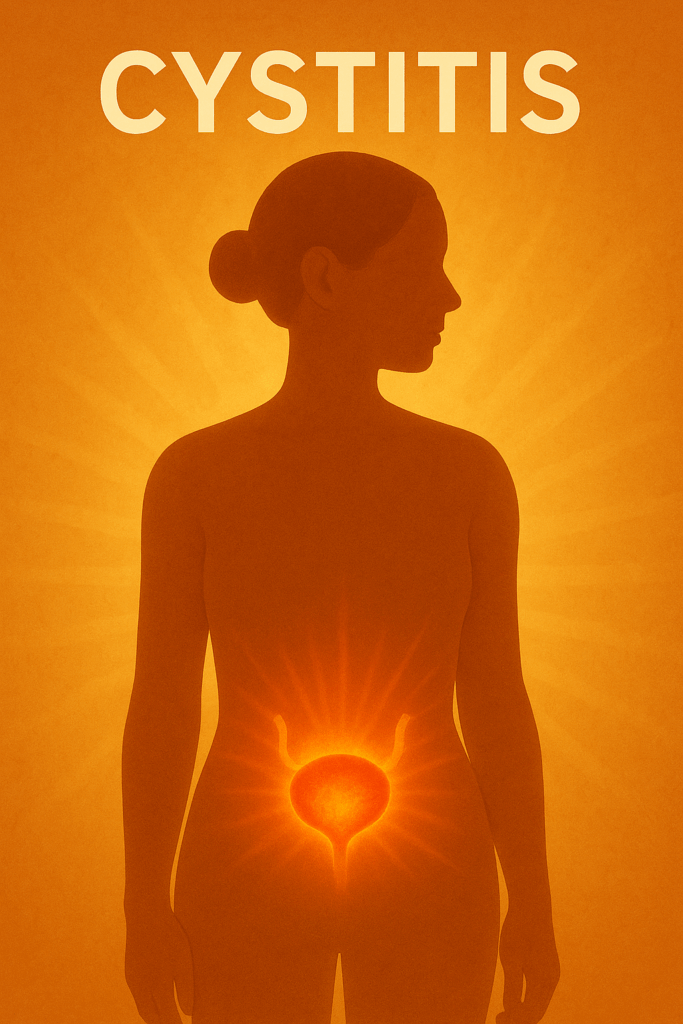
Cystitis: A Natural Hygiene Perspective on Bladder Irritation
Cystitis means inflammation of the bladder. Burning or pain when urinating, urgency, frequent urination and lower abdominal discomfort are common symptoms. The familiar term is retained here because it is what people recognise and search for.
Urinary symptoms can have different causes. Bacterial urinary tract infection is common, but irritation and inflammation are not always explained by the same mechanism. Natural Hygiene adds a whole-body perspective by looking at hydration, diet, stimulants, stress, rest and the wider urinary environment.
The Natural Hygiene View
The kidneys and urinary tract continuously regulate fluids and remove dissolved waste products. Natural Hygiene therefore places particular emphasis on adequate hydration and reducing unnecessary dietary and stimulant burdens when the bladder is irritated. Some people also notice that coffee, alcohol or particular foods aggravate their symptoms.
Stress can change bladder habits and increase pelvic tension, so rest and relaxation may also be useful parts of the wider picture. This does not mean that emotional strain is the cause of every episode.
When to Seek Medical Advice
Urinary infections can sometimes spread to the kidneys. Fever, chills, pain in the back or side, vomiting, blood in the urine, pregnancy, symptoms in a man or child, feeling very unwell, or symptoms that persist or worsen should be medically assessed. Recurrent cystitis also deserves investigation rather than repeatedly assuming the same cause.
Natural Hygiene lifestyle principles can support general health, but they should not be used to delay treatment when a urinary infection or another significant cause is suspected.
Terrain and the Urinary Environment
Within Natural Hygiene, bacterial activity is considered in relation to the terrain in which it occurs. Hydration, urine concentration, elimination, diet, local irritation and general vitality all contribute to the urinary environment. The Natural Hygiene question is therefore not only whether bacteria are detected, but what conditions may have made the tissues more susceptible to irritation and bacterial proliferation.
This reflects the broader Natural Hygiene principle that microorganisms and terrain should not be considered separately. Supporting the terrain does not mean ignoring a significant urinary infection, particularly where symptoms suggest kidney involvement.
Bacteria, Irritation and Terrain
Urine testing can sometimes demonstrate bacteria and inflammatory cells during a urinary tract infection. Conventional medicine uses these findings to help identify infection. Natural Hygiene does not need to deny that observation to ask a further question: what is the condition of the urinary terrain in which irritation and bacterial proliferation are occurring?
Within NH, concentrated urine, hydration, local irritation, elimination and general vitality are therefore part of the picture. This is the same terrain principle used elsewhere: microorganisms can be real while the environment in which they flourish also matters.