
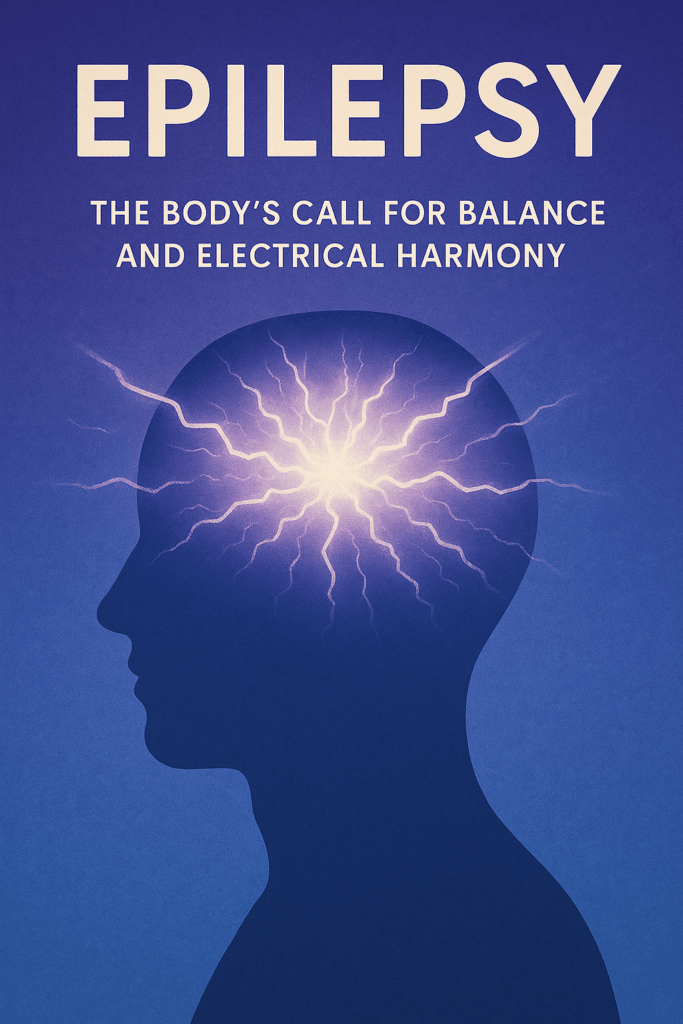
Epilepsy: A Natural Hygiene Perspective on the Nervous System
Epilepsy is a neurological condition involving a tendency to have recurrent seizures. Seizures result from abnormal electrical activity in the brain and can take many forms, from brief changes in awareness to convulsive seizures.
The Natural Hygiene View
Natural Hygiene looks beyond the diagnostic label to the condition of the nervous system and the person’s overall terrain. Sleep, exhaustion, stress, alcohol, stimulants, nutrition, hydration and other physiological demands can influence nervous-system stability and, for some people with epilepsy, seizure threshold.
The Natural Hygiene concepts of enervation and vital economy are particularly relevant here. Chronic overstimulation and inadequate recovery can leave the nervous system under greater strain. Creating regular sleep, reducing unnecessary stimulation, eating adequately and maintaining a stable daily rhythm can therefore form part of supportive care.
Seizures Are Not a Detoxification Treatment
Natural Hygiene teaches respect for the body’s responses, but a seizure should not be described as a cleansing discharge that must be allowed to continue unchecked. Seizures can cause injury and prolonged seizures can become a medical emergency. Anti-seizure medication can be essential for controlling epilepsy and should not be stopped abruptly in an attempt to detoxify or fast.
Lifestyle and Individual Triggers
Some people identify patterns around sleep deprivation, alcohol, stress or missed medication. Keeping a record can help reveal individual triggers. Natural Hygiene’s emphasis on rest, fresh air, movement where appropriate, nourishing food and reducing avoidable nervous-system strain fits naturally into this wider picture.
Fasting is part of Natural Hygiene tradition but can alter hydration, blood sugar and medication handling, so it should not be undertaken casually by someone with epilepsy.
When a Seizure Is an Emergency
Emergency help is needed for a seizure lasting five minutes or more, repeated seizures without recovery, serious injury, breathing difficulty, a first seizure, or a seizure occurring in water or during pregnancy. During a convulsive seizure, protect the person from injury, do not restrain them and do not put anything in their mouth.
Electrical Activity, Triggers and the Terrain
Electrical recordings can demonstrate abnormal neuronal activity during many seizures. Conventional neurology uses this and other evidence to classify epilepsy. Natural Hygiene can accept that observation while asking why seizure threshold varies: sleep loss, alcohol, stress, metabolic disturbance and other physiological changes can make seizures more likely in susceptible people.
That variability is where terrain becomes relevant. It does not establish that a seizure is the brain deliberately expelling toxins, but it does support the practical NH interest in reducing enervation and avoidable nervous-system stress.