
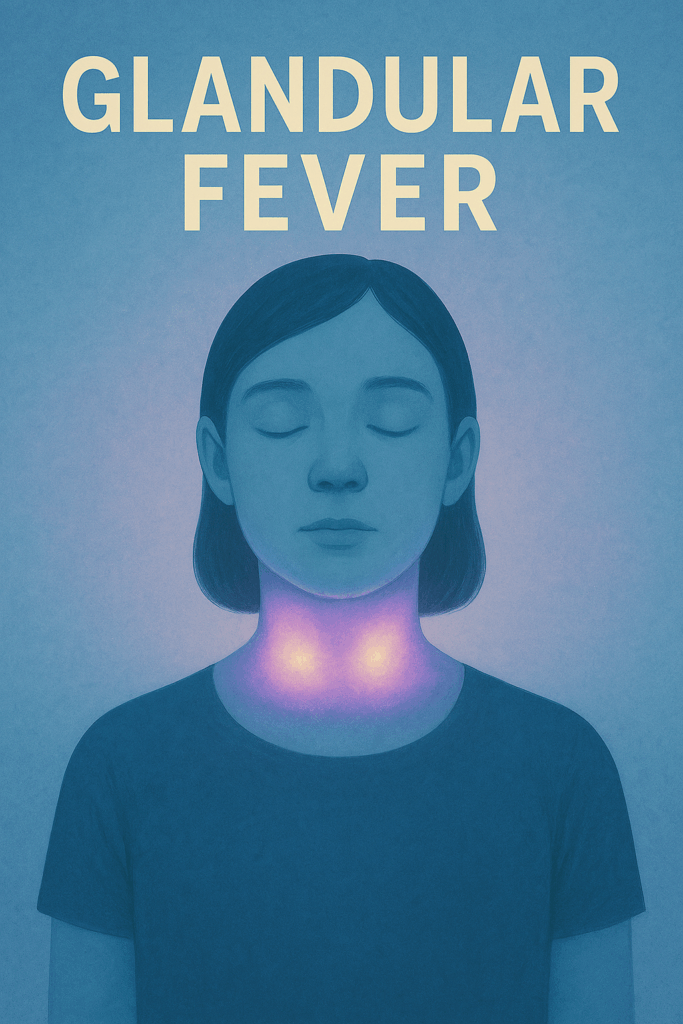
Glandular Fever: Rest, Recovery and the Natural Hygiene Perspective
Glandular fever is the familiar UK term for an illness characterised by pronounced fatigue, swollen glands, sore throat and sometimes fever. Conventional medicine commonly associates it with Epstein-Barr virus. Natural Hygiene retains the familiar name because it is what people recognise and search for, while examining the experience through its own whole-body framework.
Why Rest Matters So Much
Whatever explanatory model someone uses, profound tiredness is one of the defining features of glandular fever. Natural Hygiene gives particular attention to this reduction in energy and views it as a strong signal to reduce physical, digestive and psychological demands rather than continually pushing through exhaustion.
Within Natural Hygiene, concepts such as enervation, vital economy and internal burden are used to explore why recovery may take time. Sleep, genuine rest, hydration, simple food according to appetite and a gradual return to normal activity are therefore emphasised.
A Gradual Return
Trying to force exercise or productivity while profound fatigue remains can be counterproductive. As energy returns, gentle activity can be reintroduced progressively and adjusted according to how the body responds.
Severe abdominal pain, difficulty breathing or swallowing, dehydration, marked deterioration or other worrying symptoms require medical assessment. Because glandular fever can occasionally involve the spleen, advice about returning to strenuous activity or contact sport is particularly important.
Why Natural Hygiene Pays Attention to the Fatigue
Glandular fever can produce unusually profound fatigue and enlarged lymphatic tissues. Conventional medicine relates this to the body’s response to Epstein-Barr virus. Natural Hygiene takes the observable fall in available energy seriously and interprets it through enervation and vital economy: when normal output becomes difficult, the body is signalling that its present resources are being used elsewhere.
This does not establish that fatigue is itself a detoxification process. It explains why Natural Hygiene sees repeatedly stimulating or forcing an exhausted person back to full activity as working against the body’s present priorities.
The Observation and the Interpretation
The observation is an acute illness commonly associated with Epstein-Barr virus, enlarged lymphatic tissue and sometimes prolonged fatigue. Natural Hygiene interprets the fall in capacity through enervation, Vital Economy, terrain and the body’s organised response to illness.
What goes beyond the evidence is claiming that glandular fever is simply a detoxification event or that the recognised microorganism is irrelevant. The body’s response is organised and the terrain matters, while the infectious process and the possibility of complications remain real.