
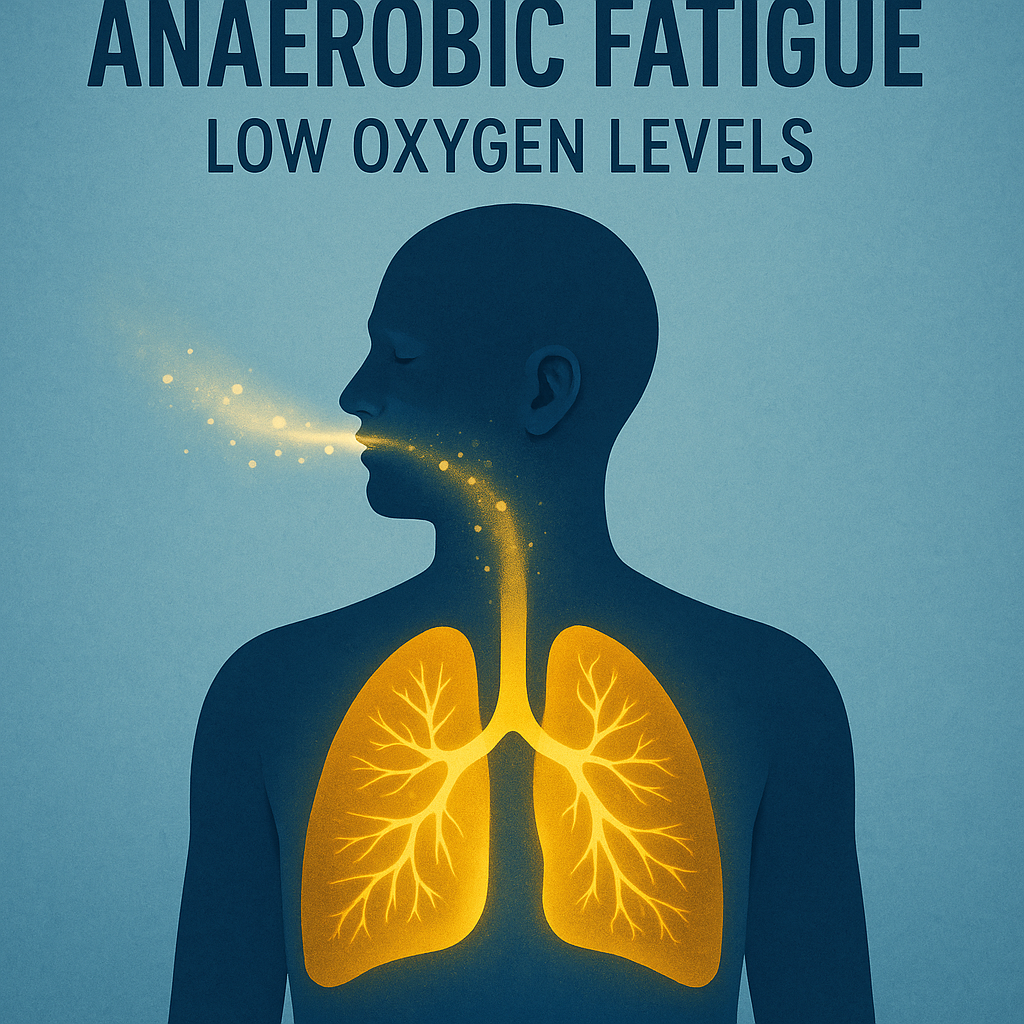
Most people think of tiredness as simply “low energy.” But in Natural Hygiene, fatigue—especially anaerobic fatigue—is understood as a state of internal suffocation. It occurs when the body can no longer generate energy efficiently because oxygen supply has fallen below what the cells require. The result is exhaustion, acidity, and confusion in both mind and body.
We can live for weeks without food and days without water, but only minutes without oxygen. Oxygen is the primary nutrient of life—it fuels every metabolic process, supports detoxification, and keeps the nervous system balanced. When oxygen levels fall, health declines rapidly. Anaerobic fatigue is not simply a symptom of overexertion; it is a warning sign that the body’s chemistry has shifted into crisis.
What “Anaerobic” Really Means
The term anaerobic means “without oxygen.” Under healthy conditions, cells produce energy aerobically—by combining glucose and oxygen to create ATP (adenosine triphosphate), the body’s usable energy molecule.
But when the bloodstream becomes toxic, thick, or sluggish, oxygen cannot circulate properly. The body is forced to create energy without oxygen through anaerobic metabolism, an emergency mechanism that leaves behind acidic waste, particularly lactic acid.
When this situation persists—through poor breathing, lack of movement, overwork, or toxicity—oxygen debt builds up. This is anaerobic fatigue: the physical manifestation of oxygen starvation.
The Natural Hygiene Perspective
From the Natural Hygiene view, fatigue is not failure—it is the body’s attempt to slow us down before damage occurs. Every drop in energy serves as a message that the body’s oxygen supply and nerve force are depleted. Instead of stimulating the system to push through, Natural Hygiene calls for rest, cleansing, and oxygen renewal.
Oxygen deprivation doesn’t only affect the muscles. It also affects the brain, liver, and endocrine system. The person may feel foggy, irritable, or emotionally flat, as if life has lost its brightness. This is not “mental weakness,” but a sign that the cells of the nervous system are running on emergency power.
Common Causes of Low Oxygen and Anaerobic Fatigue
- Shallow breathing – Most people breathe only into the upper chest, never fully inflating the lungs.
- Sedentary lifestyle – Lack of movement restricts circulation and oxygen exchange.
- Toxic, acidic diet – Cooked, processed foods create waste that displaces oxygen in the blood.
- Stimulant overuse – Caffeine, nicotine, and stress hormones burn oxygen faster than it can be replaced.
- Poor posture – Hunched shoulders compress the diaphragm and lungs, reducing breathing capacity.
- Emotional tension – Anxiety and fear contract the breathing muscles and keep the body in survival mode.
Each of these habits drains the life force and moves the body further away from its natural oxygen rhythm.
How to Restore Oxygen and Overcome Anaerobic Fatigue
Natural Hygiene teaches that the cure for fatigue lies not in adding more stimulants but in removing the interferences that block life. The goal is to return the body to aerobic functioning—where every cell is bathed in oxygen and energy flows effortlessly.
1. Breathe Deeply and Consciously
Take time each day to practise full diaphragmatic breathing. Breathe through the nose, fill the belly, then the chest, and exhale slowly. This strengthens the lungs and alkalises the blood.
2. Cleanse the Blood
Eat simple, raw, water-rich foods—mainly ripe fruits, leafy greens, and tender vegetables. These foods carry oxygen and help neutralise acids that interfere with circulation.
3. Move Gently in Nature
Walking, stretching, and relaxed movement stimulate lymph flow and enhance oxygen exchange without creating oxygen debt.
4. Rest and Sleep Deeply
During sleep, the body clears acids and rebuilds its oxygen reserves. Early nights are essential to recovery.
5. Avoid Stimulants and Emotional Overdrive
Caffeine, alcohol, and constant stress push the adrenals into emergency mode, burning oxygen reserves and creating dependency.
6. Breathe Fresh Outdoor Air and Seek Sunlight
Oxygen is not just a gas—it’s a frequency of vitality. Natural light enhances oxygen absorption and restores balance to the nervous system.
When these habits become daily practice, the blood grows purer, the breath deepens, and energy returns naturally. The body no longer struggles for life—it thrives in it.
Beyond the Physical: Oxygen and Consciousness
Oxygen is more than fuel; it is the bridge between the body and spirit. It carries prana, chi, or life force throughout the system. Low oxygen not only weakens the body but dulls awareness and emotional resilience.
As the blood oxygenates, clarity, optimism, and creativity return. Many who practise Natural Hygiene discover that as their cells breathe freely, so does their mind. The fog lifts, the heart opens, and energy becomes steady instead of sporadic.
In Summary
Anaerobic fatigue is not a lack of strength—it is the body’s cry for oxygen. It reveals that the inner fire is still burning but suffocating under waste and tension. The solution is not found in stimulation or medical intervention but in deep rest, fresh air, pure food, and renewed breathing.
When the body is given the right conditions, oxygen floods every cell, energy flows freely, and true vitality returns—calm, clean, and sustainable.