PTSD: The Body’s Call for Safety, Resolution, and Nervous System Repair
Post-traumatic stress is often described as a psychological disorder, but through the Natural Hygiene lens it is better understood as the body’s long-term response to an event or environment it was never given the chance to fully recover from. PTSD is not a sign of weakness, nor is it a permanent label. It is the body’s attempt to protect itself after experiencing overwhelming stress, danger, or emotional intensity that exceeded its capacity at the time.
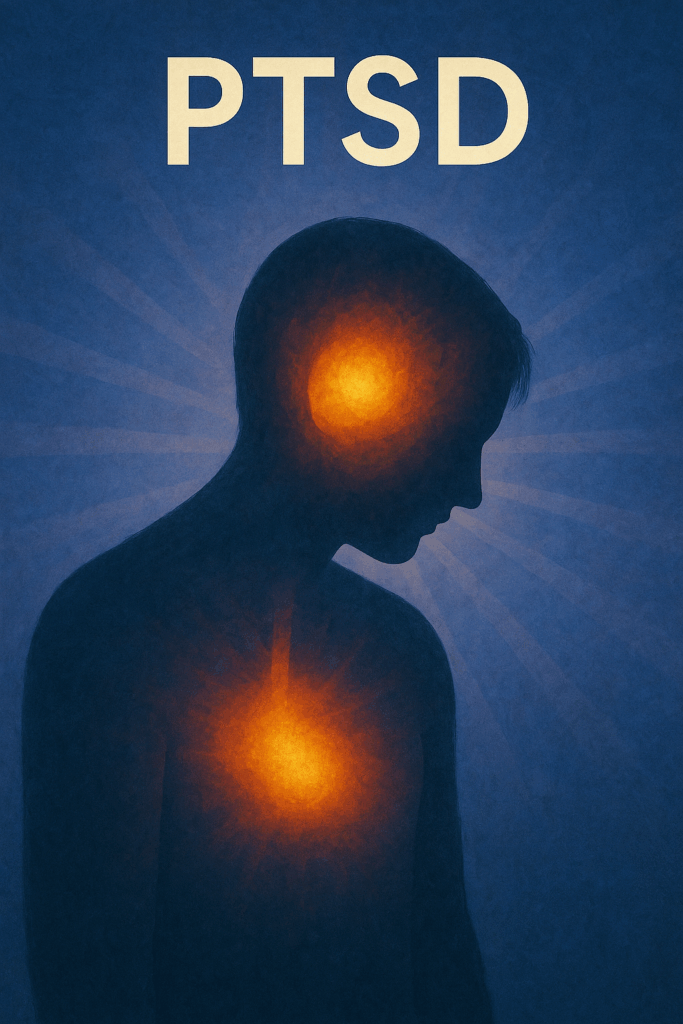
When a person goes through trauma, the nervous system enters a high-alert survival state. Adrenaline rises, muscles tighten, breathing becomes shallow, and the body prepares to fight, flee, or freeze. In a healthy situation, once the threat passes, the body eventually returns to balance. But when the stress is too great, too prolonged, or not processed, the body becomes “stuck” in fragments of that survival mode. This ongoing physiological tension is what we call PTSD.
From a Natural Hygiene perspective, the symptoms are simply the body’s messages: hypervigilance, nightmares, intrusive memories, emotional overwhelm, sensitivity to noise or touch, fatigue, and digestive disturbances all reflect a nervous system trying to protect a person from being hurt again. The body is not malfunctioning. It is trying to keep the person alive using the only tools it has.
PTSD also develops when the body does not receive the conditions it needs to recover. True healing requires deep rest, safety, nourishment, and ease. Yet in the modern world, people often continue with stressful jobs, chaotic environments, stimulants, processed foods, and poor sleep. Each of these increases the load on the nervous system. As the body becomes more exhausted, its ability to regulate stress hormones decreases, leaving the person feeling overwhelmed by even small triggers.
Trauma also affects the digestive system, immune system, and hormonal balance. The body cannot heal tissues or regulate emotions when it is constantly on alert. This is why individuals with PTSD often experience physical symptoms such as tight muscles, headaches, IBS-type bowel issues, chronic fatigue, and inflammation. These are not “separate issues” but predictable consequences of a system that has been running too fast for too long.
Natural Hygiene teaches that the body will return to balance when the burden is lifted. PTSD symptoms lessen when the nervous system finally feels safe enough to release its grip. This happens when a person’s lifestyle stops provoking the stress response and starts supporting relaxation, oxygenation, and inner stability.
Food plays a major role. Heavy meals, caffeine, stimulants, sugars, and processed foods all keep the body tense. They force the adrenal glands and digestive system to work hard, leaving very little energy for emotional integration. A hydrating diet rich in fresh fruits and simple whole foods supports the calming side of the nervous system. Clean fuel creates a calmer internal environment.
Sleep is also essential. The brain processes emotional material at night, and without early, restorative sleep, the body cannot complete this task. Many people with PTSD sleep lightly or wake frequently because their bodies expect danger. Correcting the lifestyle factors around sleep — reducing late eating, limiting stimulation, grounding in natural light cycles — helps the body regain its natural rhythm.
Breath is another major component. Trauma often creates shallow breathing patterns that keep the body in a semi-alert state. Gentle breathwork that focuses on long exhalation helps the body shift from survival mode towards calmness. This is not about forcing anything; it is about allowing the body to re-learn safety.
Movement is equally important. Trauma energy often becomes trapped in the muscles and fascia. Gentle, flowing movement helps release this tension and restore circulation. Walking, stretching, and slow meditative practices allow the body to find ease again. Nothing harsh is required. The body likes soft, consistent, nurturing movement.
The emotional aspect of PTSD improves as the physical body softens. Natural Hygiene does not separate mind and body. If the nervous system feels safe, the mind can revisit previously overwhelming events without being flooded. If the nervous system is overloaded, the mind remains reactive. The body must lead the way.
Ultimately, PTSD is the body calling for a life that feels safe, grounded, natural, and free of excess stimulation. The symptoms are reminders that the body is trying to protect itself. Healing occurs when conditions replace the causes: more rest, fewer irritants, more simplicity, less pressure, more nourishment, less stimulation.
Given the right environment, the nervous system slowly resets. The muscles release, digestion improves, sleep deepens, and emotional triggers soften. The body unwinds from survival mode at its own pace. This is not a mental battle but a biological restoration. PTSD can improve profoundly when the person becomes aligned with what the body has needed all along: peace, safety, lightness, hydration, rest, and a return to natural living.