Liver Disease: A Natural Hygiene Perspective on Processing, Elimination and Terrain
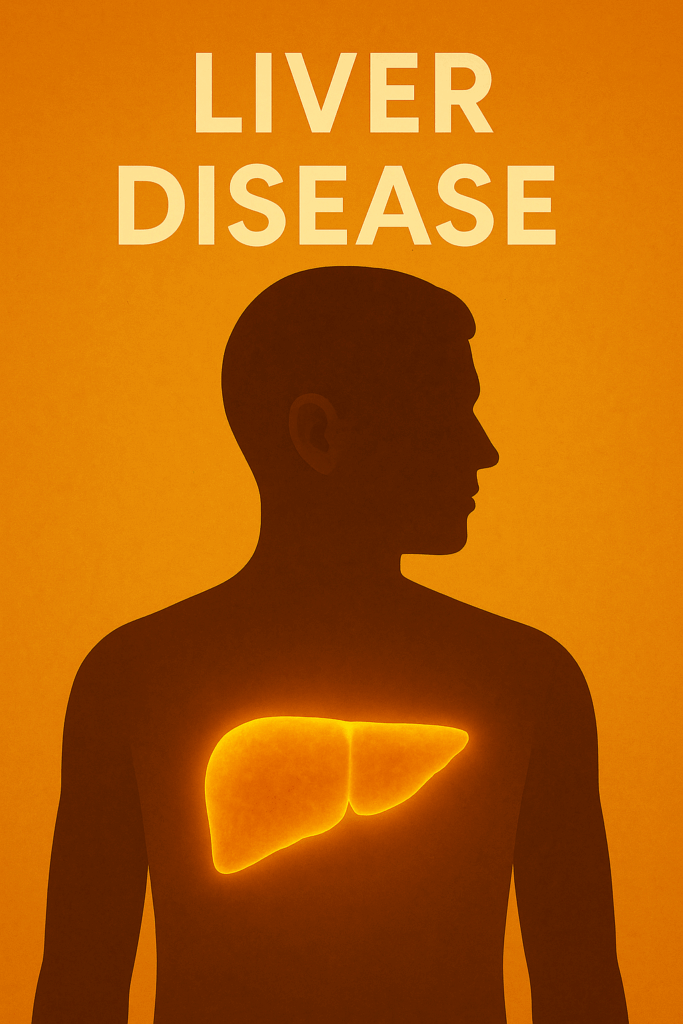
“Liver disease” covers many different conditions, including fatty liver disease, alcohol-related damage, hepatitis, fibrosis, cirrhosis and other disorders. The liver has an extraordinary range of functions, so understanding what it actually does gives Natural Hygiene a useful foundation for discussing terrain and physiological burden.
What the Liver Actually Processes
The liver processes nutrients, metabolises alcohol and many medicines, modifies hormones and other compounds, produces bile and converts substances into forms that can be used, stored or eliminated. It also has substantial regenerative capacity.
This gives Natural Hygiene’s emphasis on internal burden a genuine physiological starting point. The liver is continuously responding to what arrives from digestion, metabolism and the wider circulation. NH extends that observation through the concept of toxaemia: when avoidable burdens are repeatedly added, the conditions in which the body’s processing and eliminative systems operate become increasingly important.
Fatty Liver: A Clear Terrain Example
Fat can genuinely accumulate inside liver cells. In metabolic fatty liver disease this is strongly connected with the wider metabolic environment, including excess energy intake, body fat, insulin resistance and activity. Alcohol can also produce fatty change and liver injury.
Natural Hygiene sees this as evidence that an organ cannot be separated from the terrain in which it functions. Improving food quality, movement, sleep, body composition and alcohol exposure can materially change that terrain. This is more precise than describing every liver condition simply as “toxins clogging the liver”.
Removing Burdens
Avoiding alcohol where liver disease is present, maintaining adequate nutrition, reducing heavily processed food, moving appropriately, sleeping well and avoiding unnecessary supplements or substances all fit the Natural Hygiene principle of removing causes and unnecessary demands.
Medicines should not automatically be stopped because the liver metabolises them. Some are necessary precisely because serious liver or related disease is present. Likewise, particular fruits do not literally “wash” or dissolve liver disease, although a health-supportive dietary pattern can improve the metabolic environment.
Fasting and Liver Disease
Fasting is part of Natural Hygiene tradition and changes metabolism substantially. That does not make prolonged fasting universally appropriate in liver disease, particularly where there is advanced disease, muscle loss or poor nutrition. The underlying condition matters.
Jaundice, vomiting blood, black stools, increasing abdominal swelling, confusion, marked drowsiness, severe pain or rapidly worsening illness require medical assessment.
Enervation and Vital Economy
Natural Hygiene’s enervation and Vital Economy add a demand-and-recovery perspective to liver health. The liver performs extensive metabolic work continuously, but this should not be imagined as a fixed energy tank that becomes exhausted by digestion. The useful question is whether avoidable exposures and metabolic demands are being repeatedly added while the person’s overall conditions for recovery remain poor.
The Observation and the Interpretation
The observation is that different liver diseases produce measurable changes in liver cells, enzymes, bile handling, fat accumulation, fibrosis or other functions. Natural Hygiene interprets these within the wider terrain of metabolism, nourishment, alcohol and other exposures, elimination, rest and toxaemia.
What goes beyond the evidence is calling every liver disorder a detoxification crisis or assuming that fasting will remove whatever caused it. The liver’s processing and regenerative abilities are real; so are structural injury and loss of function when disease becomes advanced.
Related Liver & Metabolic Reading
Natural Hygiene foundation: Toxaemia and the internal environment