
Mumps: A Natural Hygiene Perspective
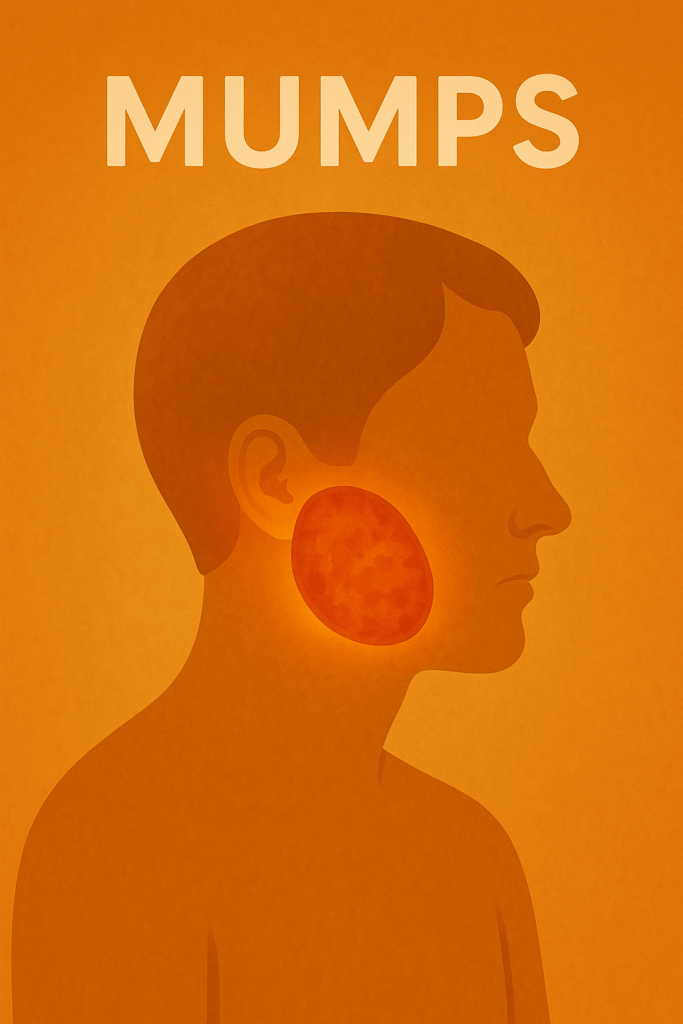
Mumps is the familiar medical and search term for an acute illness commonly associated with painful swelling of the salivary glands around the jaw and ears. Conventional medicine attributes mumps to the mumps virus and regards it as contagious. Natural Hygiene uses the same familiar name while interpreting the body’s response through a different framework.
The Natural Hygiene View
Natural Hygiene focuses on the whole person rather than the diagnostic label alone. Swelling, fever, fatigue, appetite changes and the need for rest are considered as coordinated responses occurring while the body is under acute strain. Within this framework, reducing demands and supporting rest are central.
The salivary glands are involved in the early stages of digestion, while the surrounding tissues are closely connected with lymphatic circulation. Natural Hygiene therefore considers hydration, rest, sleep, dietary burden and general vitality when looking at this pattern of symptoms.
Supporting Recovery
Rest, fluids and simple food according to appetite can reduce unnecessary demands while someone is unwell. There is no need to force food when appetite temporarily falls, but fasting should not be imposed on a sick child. Comfortable cool or warm compresses may help with local discomfort.
Mumps can sometimes cause complications, particularly in adolescents and adults. Severe headache, neck stiffness, marked drowsiness, persistent vomiting, testicular pain or swelling, severe abdominal pain, difficulty drinking, dehydration or a rapidly worsening condition require medical assessment.
The Natural Hygiene perspective can sit alongside appropriate assessment and monitoring rather than replacing it when symptoms are severe or uncertain.
Terrain and the Acute Response
Natural Hygiene does not view swollen glands, fever, fatigue and appetite changes as unrelated events. Within its model they form part of a coordinated whole-body response influenced by the person’s terrain, vitality and eliminative capacity. Lymphatic activity is especially relevant to this interpretation because swollen glandular tissues are occurring within the body’s wider drainage network.
The concepts of enervation and vital economy help explain the emphasis on rest: when available energy is reduced, Natural Hygiene seeks to remove unnecessary demands so that the body can direct its resources towards recovery.
Why the Glands Swell
In mumps, the salivary glands can become markedly inflamed and swollen. Conventional medicine explains this in relation to viral infection and the inflammatory response. Natural Hygiene observes the same swelling within the wider lymphatic and glandular terrain and asks what the whole body is doing at the same time: fever, fatigue, reduced appetite and an increased demand for rest.
The NH interpretation is that these changes form a coordinated acute response rather than unrelated failures. That interpretation supports reducing demands and respecting vital economy, while the recognised diagnosis still matters because complications can occur.
The Observation and the Interpretation
The observation is an acute illness in which the salivary glands can become inflamed and swollen, commonly associated with mumps virus, alongside systemic symptoms such as fever and fatigue. Natural Hygiene interprets the whole response through terrain, lymphatic activity, enervation and Vital Economy.
What goes beyond the evidence is denying the recognised microorganism or assuming that glandular swelling is simply stored toxins being expelled. The inflammatory response is organised and the terrain matters, while the diagnosis and potential complications remain real.