
The Heart: Circulation, Adaptation and the Natural Hygiene Terrain
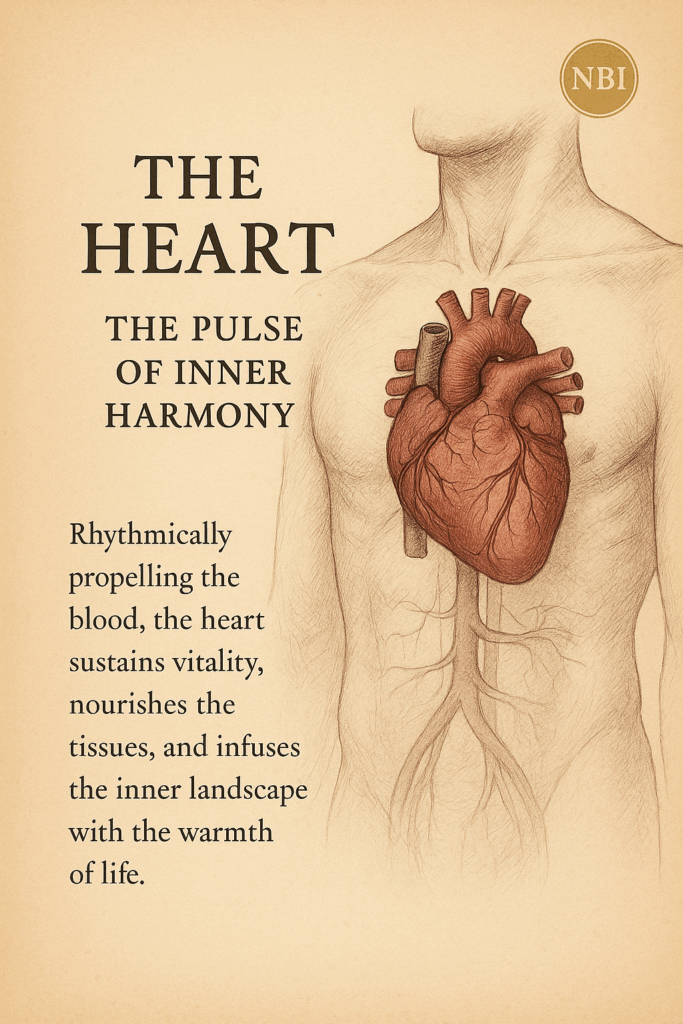
The heart is a muscular pump whose rhythm continuously adapts to the body’s needs. With every beat it drives blood through the lungs and the wider circulation, delivering oxygen and nutrients and carrying carbon dioxide and other metabolic products towards organs that process or eliminate them.
The Heart Never Works in Isolation
Heart function depends on blood vessels, lungs, kidneys, nervous-system signals, hormones, blood volume and the metabolic demands of the tissues. This strongly supports Natural Hygiene’s whole-body terrain perspective: cardiovascular health cannot sensibly be reduced to the heart alone.
A Rhythm That Constantly Adapts
Heart rate and force change with exercise, posture, temperature, emotion, hydration, illness and sleep. These adjustments are examples of self-regulation. A faster pulse during exercise or emotional stress can be an appropriate response to increased demand.
That does not make every palpitation, episode of chest tightness or breathlessness a beneficial cleansing signal. Abnormal rhythms, inadequate coronary blood flow and structural heart disease can produce similar symptoms and sometimes require urgent attention.
Blood, Vessels and the Internal Terrain
Blood viscosity is real and is influenced by factors including red-cell concentration, plasma proteins, temperature and hydration. Dehydration can reduce plasma volume and produce haemoconcentration. Water-rich fruit can make a meaningful contribution to hydration. Restoring fluid increases plasma volume and reduces the concentration produced by dehydration, while adequate fluid supports kidney filtration and urinary excretion of water-soluble metabolic products. In Natural Hygiene, this is one reason fresh fruit is valued: it supplies water together with nutrients and supports the fluid environment in which circulation and elimination occur. This is different from saying that fruit “thins the blood” like an anticoagulant.
Over years, smoking, high blood pressure, impaired glucose regulation, blood lipids, physical inactivity, diet and other factors can influence blood vessels and cardiovascular risk. This provides a much stronger physiological meaning for terrain than the idea that acids and unspecified waste simply thicken the blood until the heart struggles to pump it.
Emotion and the Autonomic Nervous System
Fear, excitement, grief and anxiety can change heart rate and blood-vessel tone through the autonomic nervous system and stress hormones. The connection between emotional state and cardiovascular physiology is therefore real. It does not mean emotions are physically stored in the heart or that emotional release alone reverses structural cardiovascular disease.
Movement, Rest and Sleep
Regular appropriate physical activity trains the cardiovascular system and improves the ability to meet changing demands. During sleep, heart rate and blood pressure usually change with sleep stage and autonomic activity, giving the cardiovascular system a different pattern of demand rather than simply switching into repair mode.
What About Fasting?
Fasting changes insulin, fuel use, blood pressure, fluid balance and other cardiovascular variables. Natural Hygiene has long used fasting as physiological rest, but the heart does not stop working when digestion pauses and fasting should not be described as automatically clearing the bloodstream or resting the heart.
People with cardiovascular disease or medicines affecting blood pressure, heart rhythm or fluid balance need particular caution with prolonged fasting.
New chest pressure or pain, severe breathlessness, fainting or sudden neurological symptoms require urgent assessment.