
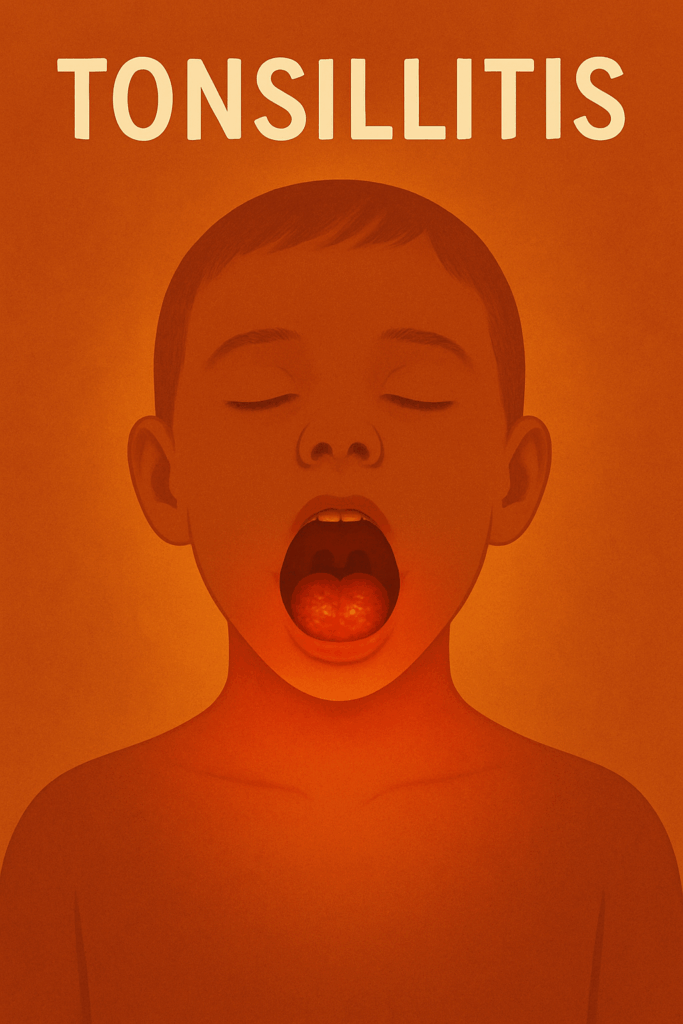
Tonsillitis: A Natural Hygiene Perspective on Swollen and Inflamed Tonsils
Tonsillitis is the familiar term for inflammation of the tonsils, usually involving a sore throat, painful swallowing, swollen tonsils and sometimes fever or swollen glands. Conventional medicine recognises several possible causes, including viral and bacterial illnesses. Natural Hygiene keeps the familiar search term while looking at the episode through a broader whole-body framework.
What Are the Tonsils Doing?
The tonsils are lymphatic tissues positioned at the back of the throat. They form part of the body’s wider system of immune and lymphatic activity. When they become inflamed, increased blood flow, swelling and tenderness are visible signs that the tissue is actively responding to something rather than simply being an isolated problem.
The Natural Hygiene View
Natural Hygiene places particular emphasis on the terrain: the person’s overall condition, rest, sleep, hydration, nutrition, environmental irritants and available vitality. Within this framework, acute symptoms are considered in the context of the whole body rather than treating the tonsils as though they function independently.
Concepts such as enervation and vital economy are useful here. When someone is acutely unwell, appetite and activity often fall while the need for sleep and rest increases. Natural Hygiene interprets these changes as reasons to reduce unnecessary demands and give the body favourable conditions for recovery.
Rest, Hydration and Food
Rest, adequate fluids and avoiding smoke or other throat irritants are sensible supportive measures. Cool or warm drinks may be soothing depending on personal preference. Food can be kept simple and guided by appetite rather than forcing large meals when swallowing is uncomfortable.
Natural Hygiene traditionally includes fasting, but fasting should not be imposed on a sick child, and prolonged fasting is not a universal treatment for tonsillitis. Maintaining hydration is particularly important when fever or painful swallowing is present.
Recurring Tonsillitis
If tonsillitis repeatedly returns, Natural Hygiene encourages looking at the wider pattern: sleep, chronic stress, diet, hydration, smoking or vaping, air quality and the person’s general health. Recurrence can also have medical causes that deserve investigation, so repeated episodes should not automatically be attributed to detoxification or dietary burden.
When to Seek Medical Advice
Difficulty breathing, inability to swallow fluids or saliva, drooling, severe dehydration, rapidly increasing swelling, difficulty opening the mouth, a markedly muffled voice, severe one-sided throat pain or a rapidly worsening condition require prompt medical assessment. Persistent or recurrent symptoms also warrant investigation.
The Natural Hygiene perspective can help someone examine the conditions that support general health and recovery, while appropriate assessment establishes whether anything more serious is occurring.
What Swelling Tells Us
Inflamed tonsils show increased blood flow, immune activity, swelling and tenderness in lymphatic tissue. Conventional medicine may identify different causes, including bacterial and viral illnesses. Natural Hygiene interprets the same observable response within the wider terrain, asking why lymphatic tissue is highly active and what demands are being placed on the person as a whole.
This is why NH connects tonsillar inflammation with rest, lymphatic activity, enervation and vital economy rather than treating the tonsils as an isolated faulty part. The interpretation is broader than the diagnostic label, while severe local swelling still requires appropriate attention.
Microorganisms and the Tonsillar Terrain
Microorganisms can be identified in many episodes of tonsillitis, and their presence should not simply be denied. Natural Hygiene adds the terrain question: the tonsils are active lymphatic tissue situated at an interface with inhaled and swallowed material, and local conditions, nourishment, sleep and the person’s wider state can influence the episode. Within the NH model, microorganisms proliferate when the environment provides favourable conditions for them.
The Observation and the Interpretation
The observation is genuine inflammation and swelling of tonsillar tissue, sometimes with an identifiable microorganism. Natural Hygiene interprets that response through lymphatic activity, terrain, enervation, Vital Economy and self-regulation.
What goes beyond the evidence is treating every swollen tonsil as a bag of toxins or assuming that all microbial findings are merely harmless cleanup. The tissue response is organised and the terrain matters, while severe inflammation and obstruction can still be dangerous.