
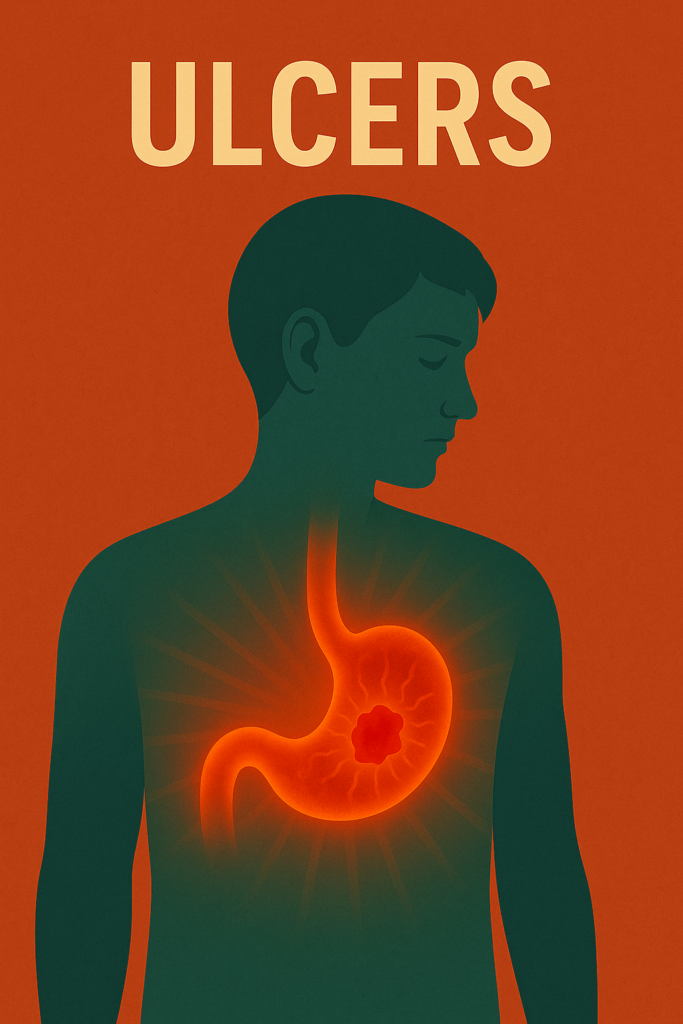
Ulcers: A Natural Hygiene Perspective on Protection, Irritation and Repair
A peptic ulcer is an open sore in the lining of the stomach or duodenum. The digestive tract normally maintains a remarkable balance: it contains strong acid and digestive enzymes while protecting its own tissues through mucus, bicarbonate, blood flow and rapid cellular repair.
What an Ulcer Actually Shows Us
An ulcer develops when damaging influences overcome local protective mechanisms. Two major established contributors are Helicobacter pylori and regular use of certain anti-inflammatory medicines, although other factors can matter.
Natural Hygiene finds the balance between irritation and protection particularly relevant. Rather than seeing the ulcer as an isolated hole that appeared randomly, NH asks about the terrain surrounding tissue maintenance: food, alcohol, smoking, medicines, sleep, stress, nourishment and repeated irritation.
Mucus, Blood Flow and Repair
The protective mucus layer is real, as are bicarbonate secretion, mucosal blood flow and continual epithelial renewal. This gives a physiological foundation to the Natural Hygiene emphasis on creating conditions favourable to repair.
Where we should be precise is causation. General “body acidity”, emotional suppression or dehydration have not been established as universal causes of ulcers. Stress can influence symptoms and severe physiological stress can affect the stomach, but the phrase “the body is expressing what the mind is holding” is better treated as metaphor than mechanism.
Digestive Rest and Food
Natural Hygiene values simple meals, avoiding unnecessary irritants and eating according to appetite. Food tolerance varies, and there is no need to claim that fruit or raw vegetables rebuild the stomach lining directly. Adequate nutrition supports tissue repair.
Fasting is part of NH tradition but persistent ulcer symptoms should not simply be fasted through. An ulcer can bleed or perforate, and identifying an underlying cause such as H. pylori can be important.
Vomiting blood, black tarry stools, sudden severe abdominal pain, fainting, persistent vomiting or unexplained weight loss requires urgent medical assessment.
Microorganisms and Terrain
H. pylori also illustrates the Natural Hygiene terrain principle. An organism can be genuinely associated with tissue injury while local mucus, acid regulation, blood flow, medicines, smoking, nourishment and other host conditions influence what happens in the tissue. Identifying the organism therefore need not make the surrounding terrain irrelevant.
Vital Economy and Repair
Maintaining and repairing the stomach lining requires continuous cellular renewal, circulation and adequate nutritional resources. Natural Hygiene’s Vital Economy provides a useful demand-and-recovery perspective without implying that the body deliberately creates an ulcer to conserve energy or eliminate waste.
The Observation and the Interpretation
The observation is an actual break in the protective lining, often associated with identifiable damaging influences. Natural Hygiene interprets repair within the wider terrain of irritation, nourishment, sleep, stress, exposures and recovery.
What goes beyond the evidence is calling the ulcer itself a detoxification outlet or a necessary stage of cleansing. Repair is an organised process; the open sore is tissue damage that the body is attempting to repair.
Related Digestive Reading
Natural Hygiene foundation: The Natural Hygiene approach