
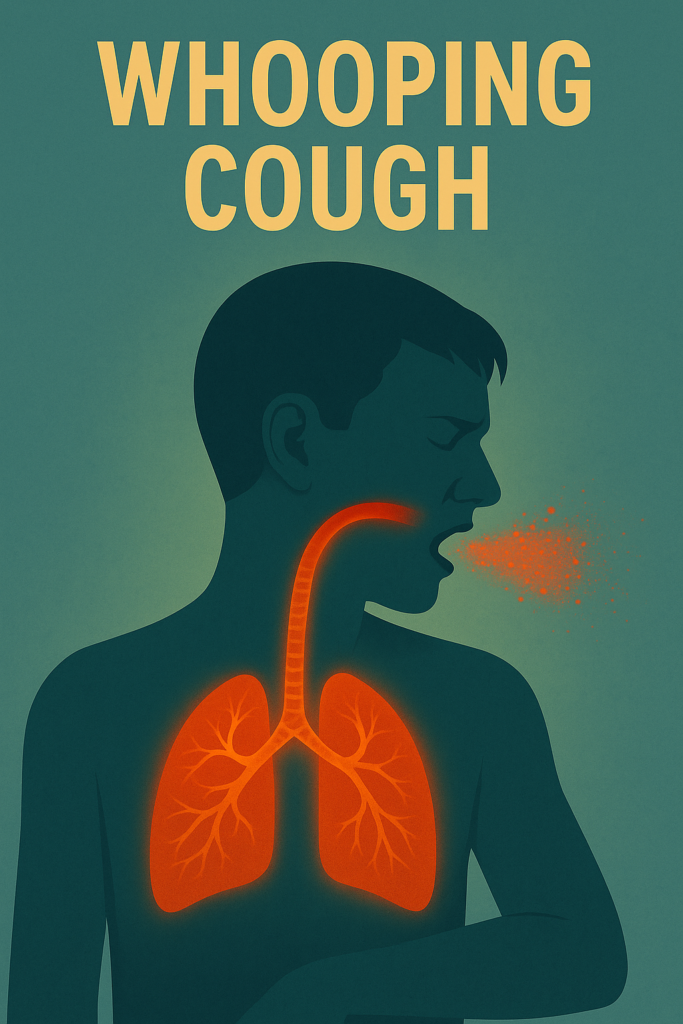
Whooping cough is one of the clearest examples of how dramatic a protective body response can look. The repeated coughing bouts, mucus, gasping and exhaustion can be frightening, but the cough itself is not meaningless. Coughing is one of the body’s most direct ways of clearing the airways and protecting breathing.
Natural Hygiene therefore begins by asking what the body is trying to accomplish, what has placed the respiratory system under strain, and what conditions will allow recovery with the least additional burden.
The Natural Hygiene View
Within Natural Hygiene, intense coughing is understood primarily as an expulsion mechanism. The body is trying to move mucus and irritating material out of the respiratory passages. The more irritated or congested the airways become, the more forceful that reflex may be.
Natural Hygiene also looks at the wider terrain: sleep deprivation, dehydration, air quality, smoking, dietary burden, emotional stress, previous respiratory problems and the amount of genuine rest available during illness.
The emphasis is therefore not on suppressing every cough, but on supporting the body while paying close attention to whether breathing remains safe.
Why the Cough Can Become So Intense
A coughing bout is a sequence of forceful expirations designed to move material from the airways. After repeated coughing, the characteristic gasp or “whoop” may occur as the person draws air back in.
- Coughing moves mucus and secretions.
- Gagging or vomiting can occur simply because coughing is so forceful.
- Fatigue reflects the enormous energy cost of repeated coughing.
- Poor appetite may occur when coughing and nausea make eating difficult.
- Night-time worsening can make sleep and recovery especially difficult.
Rest, Hydration and a Calm Environment
Natural Hygiene places enormous value on rest during respiratory illness. Repeated coughing is exhausting, and a person who continues working, exercising or living under high stimulation has less opportunity to recover.
Hydration matters because vomiting, fever and prolonged coughing can contribute to fluid loss. Simple food may also be easier to tolerate when the appetite is reduced. In adults, lighter eating may feel more comfortable; in babies and young children, maintaining hydration and adequate nutrition is especially important.
Air Quality and Breathing
Smoke, strong fragrances and stale air can aggravate already sensitive airways. A calm, well-ventilated environment and avoidance of respiratory irritants fit naturally with the Natural Hygiene principle of removing unnecessary burdens.
There is no need to force deep breathing during a coughing episode. The priority is comfortable, unforced breathing and watching carefully for signs that the person is not getting enough air.
How This Differs From the Conventional Model
Conventional medicine identifies Bordetella pertussis as the organism associated with whooping cough and focuses heavily on transmission, antibiotics in appropriate cases and vaccination. Natural Hygiene places more emphasis on the body’s respiratory response, the condition of the individual and the factors that influence resilience and recovery.
NBI does not treat those frameworks as the same thing. The Natural Hygiene view is that identifying a microorganism does not by itself explain the full experience of illness, the severity of symptoms or why recovery varies so much between individuals. Terrain, rest, hydration, stress, age and previous health still matter.
What About Fasting?
Digestive rest is part of Natural Hygiene, but whooping cough can involve vomiting, dehydration and prolonged exhaustion. In adults, a short period of lighter eating may sometimes feel appropriate if appetite is naturally low. Prolonged fasting should not be imposed, and it is not appropriate as a substitute for medical assessment in babies or young children.
When Medical Help Matters
Whooping cough can be dangerous, particularly in babies. Seek urgent medical help if a baby has repeated coughing or breathing pauses, if someone becomes blue or grey around the lips or skin, if breathing is difficult between coughing episodes, if a child has a seizure, or if the person cannot maintain fluids.
Natural Hygiene is not about ignoring danger signs. It is about understanding the body while still responding intelligently when the person is no longer coping safely.
Microorganisms and the Respiratory Terrain
Bordetella pertussis is a recognised organism associated with whooping cough. Natural Hygiene does not need to deny that observation in order to ask a broader question about terrain. Age, previous health, hydration, airway condition, nourishment and present physiological capacity can all influence how well a person tolerates and recovers from an acute respiratory illness.
Toxaemia, Enervation and Vital Economy
Natural Hygiene interprets mucus, fatigue, reduced appetite and increased need for rest within its wider concepts of elimination, enervation and Vital Economy. Mucus genuinely participates in airway clearance, but this does not establish that every secretion consists of stored systemic toxins.
The Observation and the Interpretation
The observation is an acute respiratory illness characterised by severe repetitive coughing, with an identifiable microorganism and genuine airway responses. Natural Hygiene interprets the whole episode through organism plus terrain, self-regulation, elimination and recovery.
What goes beyond the evidence is denying the microorganism or assuming the violent cough is simply beneficial detoxification. The cough has physiological functions, but its intensity can also exhaust the person and become dangerous, particularly in babies.
Explore Further
Want Personal Guidance?
If you are recovering and would like help reviewing diet, rest, sleep, stress and lifestyle from a Natural Hygiene perspective, you can complete the free NBI health questionnaire. This is not emergency care and should not delay urgent assessment for breathing problems.