
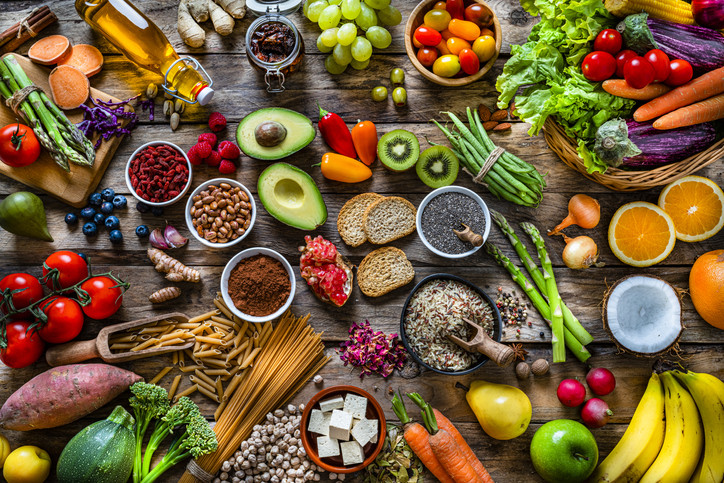
Modern nutrition often reduces food to a collection of numbers: protein, vitamin C, calcium, iron, B12, omega-3, fibre and dozens of other nutrients that we are told must be individually tracked and supplied in the correct amounts.
Nutrients are real and the body requires particular substances to function. But from a Natural Hygiene perspective, there is an important difference between recognising that nutrients exist and believing that health can be created by continually calculating, isolating and supplementing them.
Watch: Understanding Deficiency
This Natural Body Intelligence video explores the wider idea of deficiency and provides useful context before looking at nutrients, absorption, individual requirements and why nutritional health cannot always be reduced to a checklist.
Food Is More Than a Nutrition Label
A piece of fruit is not simply vitamin C plus potassium plus carbohydrate. It contains water, sugars, fibres, minerals, organic acids, pigments and thousands of naturally occurring compounds arranged within a whole biological structure.
The body then has to digest that food, absorb what becomes available, transport it, transform it, store some substances, excrete others and continually regulate how those materials are used.
So the amount of a nutrient written in a food database is not the same thing as the amount ultimately used by a particular person’s body.
Requirements Are Not Identical for Everyone
Nutrient reference values are useful population-level guides, but human requirements are not perfectly identical from person to person or from one day to the next. Age, body size, activity, pregnancy, health status, absorption, losses, energy intake and many other factors can alter requirements.
This is one reason Natural Hygiene avoids turning eating into a mathematical exercise. The body is continuously regulating itself rather than waiting for us to calculate every biochemical transaction.
Absorption and Use Matter Too
Eating a nutrient does not guarantee that every milligram or microgram reaches the tissues. Digestion and absorption matter. So do the chemical form of the nutrient, the other foods eaten with it and the condition of the digestive system.
The body also stores and recycles some substances and regulates the absorption and excretion of others. Nutritional status is therefore considerably more complex than comparing one day’s food intake with a table of recommended values.
Protein Is a Good Example
Protein is frequently discussed as though people need to chase high-protein foods throughout the day. What the body actually uses are amino acids, obtained through digestion and also continually recycled as tissues and proteins are broken down and rebuilt.
Fruit and vegetables contain amino acids and protein too, although generally at lower concentrations than nuts, seeds, legumes and many animal foods. The relevant question is not whether a food has been labelled a “protein food”, but whether the overall diet provides adequate energy and essential amino acids for the individual.
What About Vitamins and Minerals?
Fresh fruits and vegetables can provide substantial amounts of vitamin C, folate, potassium, carotenoids and many other nutrients. Nuts, seeds and other plant foods have different nutritional profiles. Variety helps broaden the range of nutrients supplied by the diet.
But more is not automatically better. Nutrients work within physiological ranges, and concentrated isolated substances can behave differently from the same compounds consumed as part of food.
Vitamin B12 Deserves Separate Attention
Vitamin B12 is unusual because reliable dietary sources are not naturally provided by unfortified plant foods. B12 status can also be influenced by absorption, and deficiency can have serious neurological and blood-related consequences.
For people eating a fully plant-based diet, B12 is therefore something that should be monitored rather than assumed. Blood testing and appropriate professional guidance can help identify a genuine deficiency or absorption problem.
Vitamin D Is Different Again
Vitamin D illustrates why nutrition cannot always be understood simply by looking at food. The body can produce vitamin D in the skin following sufficient exposure to ultraviolet B radiation from sunlight. Latitude, season, skin pigmentation, clothing, time outdoors and other factors influence this process.
Someone can therefore eat an apparently excellent diet and still have low vitamin D status if production and other sources are insufficient.
Deficiency Should Be Established, Not Assumed
One of the problems with modern wellness culture is that almost any symptom can be attributed to a supposed nutrient deficiency and followed immediately by a product designed to correct it.
Tiredness does not automatically mean iron deficiency. Muscle discomfort does not automatically mean magnesium deficiency. Poor concentration does not automatically mean a missing supplement.
Real deficiencies do occur, and some can be serious. Where deficiency is suspected, appropriate assessment and testing can distinguish an actual deficiency from guesswork.
The Natural Hygiene View
Natural Hygiene brings the focus back to the whole organism. Nutrition matters, but so do digestion, absorption, sleep, sunlight, movement, rest, stress, elimination and the total demands being placed upon the body.
Rather than trying to manufacture health by collecting isolated nutrients, the starting point is to provide appropriate foods and healthy living conditions and allow the body’s regulatory processes to do what they have evolved to do.
Nutrition is essential. But the body needs more than a nutrient checklist.