
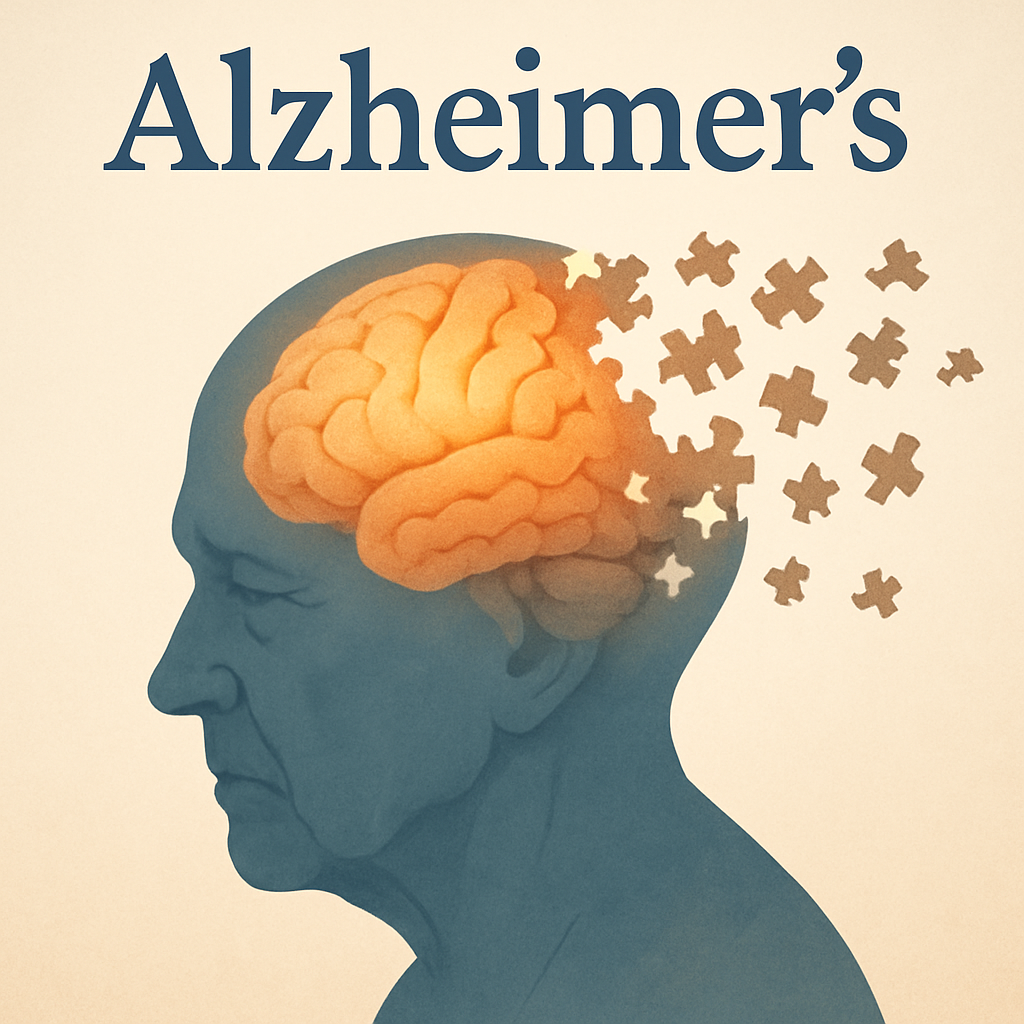
Alzheimer’s disease affects memory, thinking and independence, but Natural Hygiene does not view the brain as separate from the rest of the body. Brain function depends on circulation, sleep, metabolic health, movement, nutrition, emotional wellbeing and the wider condition of the nervous system.
NBI therefore looks beyond the diagnosis and asks a broader question: what conditions are helping or hindering the brain from functioning as well as it possibly can?
The Natural Hygiene View
Natural Hygiene sees the body as a coordinated whole. The brain relies on adequate blood flow, oxygen, sleep, stable energy supply, movement, hydration and a relatively low level of chronic physiological stress.
For that reason, memory decline is not treated only as a problem inside the skull. Sleep disruption, inactivity, poor cardiovascular health, chronic stress, heavy alcohol use, metabolic dysfunction and poor dietary quality can all influence how clearly someone thinks and functions.
Sleep and the Glymphatic System
Sleep is one of the most important areas of interest in Natural Hygiene because the brain changes its activity profoundly at night. The glymphatic system is involved in moving fluid and metabolic by-products through brain tissue, and this process is closely linked with sleep.
This is one reason NBI places so much emphasis on regular sleep, natural darkness at night, daylight during the day and reducing unnecessary stimulation before bed. Good sleep does not guarantee that Alzheimer’s will reverse, but poor sleep places another burden on an already vulnerable brain.
Circulation, Movement and Metabolic Health
The brain is highly dependent on circulation. Regular walking and appropriate physical activity support cardiovascular health, glucose regulation, mood, sleep and mobility. Natural Hygiene sees these as foundational conditions, not optional extras.
Metabolic health matters as well. High blood pressure, diabetes, inactivity and poor cardiovascular health can all affect the brain over time. Supporting the whole body therefore supports the environment in which the brain has to function.
Food and Simplicity
Natural Hygiene favours minimally processed plant foods, with a strong emphasis on fresh fruit and vegetables. The aim is to provide food in a simple form while reducing the burden of ultra-processed products, excess alcohol and constant heavy eating.
With dementia, however, maintaining adequate nutrition and hydration becomes increasingly important. If someone is losing weight, forgetting to eat or having difficulty swallowing, rigid dietary rules can do more harm than good. The individual’s actual condition comes first.
What I Have Seen in Practice
In my own work, I have seen improvement in memory and mental clarity when people change their lifestyle and reduce some of the burdens they have been living with. That experience is one of the reasons NBI takes sleep, food, rest, movement and nervous-system load so seriously.
Improved memory in an individual is not the same as proving reversal of Alzheimer’s disease, and I do not present it that way. But real changes in clarity and function still matter, especially when they improve a person’s quality of life.
How This Differs From the Conventional Model
Conventional medicine describes Alzheimer’s as a neurodegenerative disease involving progressive changes and loss of nerve cells, and treatment focuses on symptom management, practical support and, in suitable people, medication.
Natural Hygiene does not stop at the diagnosis. It asks what can still be improved in the person’s internal and external environment — sleep, circulation, metabolic health, food, stress, social contact, daylight and movement — even when the diagnosis itself remains.
NBI does not claim that fasting, raw food or “detoxification” has been proven to reverse Alzheimer’s. The Natural Hygiene position is that improving the conditions of life can still support function and wellbeing, and that those foundations deserve much more attention than they often receive.
What About Fasting?
Fasting is used within Natural Hygiene to reduce digestive demand, but older people and people with dementia can be vulnerable to dehydration, unintended weight loss and malnutrition. Prolonged fasting should therefore not be treated as a routine Alzheimer’s protocol.
When Prompt Assessment Matters
New or rapidly worsening confusion needs assessment because not every cognitive change is Alzheimer’s. Infection, stroke, medication effects, thyroid problems, vitamin deficiencies and delirium can all affect memory and thinking. Sudden weakness, speech problems, collapse or severe headache require urgent attention.
Toxaemia, Enervation and Vital Economy
Classical Natural Hygiene uses toxaemia to describe a wider internal burden and enervation to describe a state in which demands repeatedly exceed recovery. NBI can apply these ideas to brain health through the person’s metabolic, circulatory, nutritional, sleep and exposure terrain without claiming that Alzheimer’s is simply caused by unspecified toxins accumulating in the brain.
Vital Economy is also relevant to present capacity. Cognitive tasks can become more demanding as brain function changes, while sleep disruption and continual overstimulation can add further load. Matching demands to capacity may support daily function, but it does not mean neurodegeneration is deliberately created to conserve energy.
The Observation and the Interpretation
The observation is progressive change in memory and cognition accompanied, in Alzheimer’s disease, by measurable changes in brain tissue and function. Natural Hygiene interprets the person within the wider terrain of circulation, metabolism, nourishment, sleep, movement, social connection, enervation and recovery.
What goes beyond the evidence is claiming that plaques or other brain changes are merely stored dietary toxins waiting to be cleansed away. The wider terrain can influence brain health and function without reducing a complex neurodegenerative disease to one cause.
Related Natural Hygiene Concepts
Explore Further
Want Personal Guidance?
If you would like help reviewing food, sleep, movement, stress and daily routine from a Natural Hygiene perspective alongside appropriate cognitive care, you can complete the free NBI health questionnaire. A family member or carer may need to help where memory impairment is significant.
Complete the Free Health Questionnaire →