
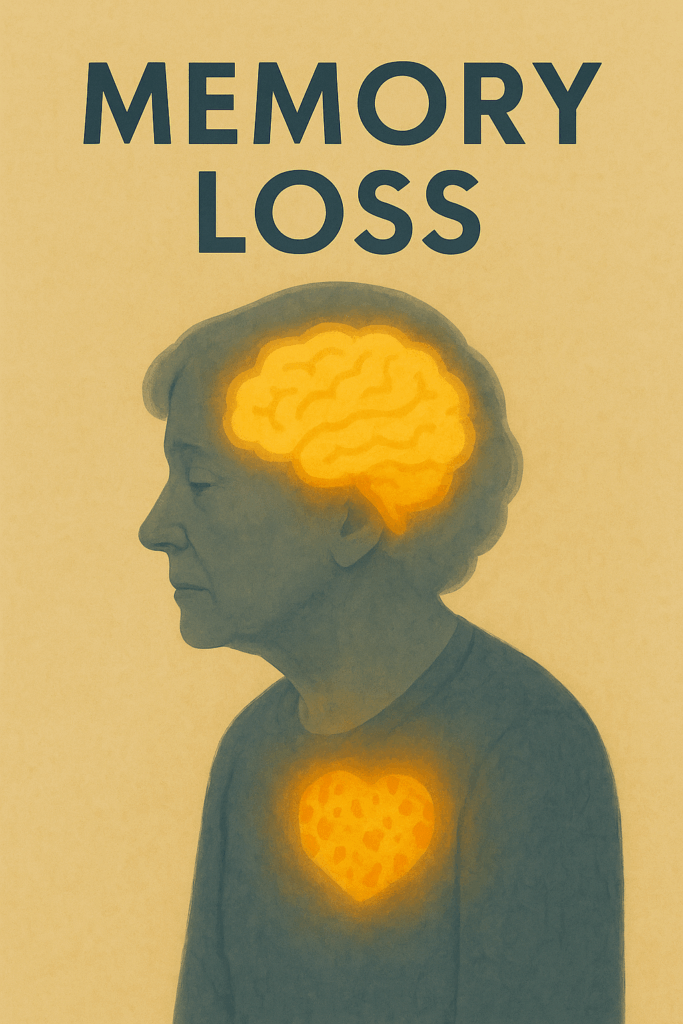
Memory Loss: A Natural Hygiene Perspective on Sleep, Attention and Brain Terrain
Memory depends on attention, encoding, storage and retrieval. A problem at any stage can feel like “memory loss”, and the causes range from ordinary distraction and poor sleep to medicines, nutritional deficiencies, depression, neurological disease and many other conditions.
Why Sleep Matters So Much
Sleep supports memory consolidation and changes how the brain processes recently learned information. Chronic sleep loss also impairs attention, making information less likely to be encoded properly in the first place.
This fits strongly with Natural Hygiene’s concepts of rest, enervation and vital economy. A continually exhausted nervous system may have less capacity for sustained attention and clear thinking. Rest is therefore not merely passive time; it is part of normal brain function.
Circulation, Metabolism and Nourishment
The brain requires continuous blood flow and energy. Cardiovascular health, glucose regulation, physical activity, alcohol, nutrition and hydration can all affect cognitive performance or long-term brain health. Deficiencies such as vitamin B12 deficiency can also cause neurological problems.
Natural Hygiene brings these together as the brain’s wider terrain. That is more useful than saying processed foods or medicines simply deposit toxins in the brain and block electrical communication. Some medicines can affect cognition, but the mechanism depends on the medicine and the person.
The Glymphatic System and “Brain Cleansing”
The brain does have pathways involved in moving fluid and metabolic by-products through tissue, and this activity is linked with sleep. This is a fascinating physiological connection to Natural Hygiene’s longstanding emphasis on rest and elimination. It does not mean that fruit, deep breathing or fasting has been shown to wash accumulated toxins from the brain and restore all forms of memory loss.
When Memory Changes Need Investigation
Persistent or worsening memory problems deserve attention, particularly when they interfere with daily life. Sudden confusion, new speech difficulty, weakness, severe headache, seizure or a rapid neurological change requires urgent assessment.
Enervation and Vital Economy
Natural Hygiene’s enervation concept is particularly useful when memory difficulty accompanies chronic sleep loss, overstimulation or exhaustion. Vital Economy adds the practical question of whether present cognitive demands are exceeding the person’s capacity for attention and recovery.
This does not mean all memory loss is caused by depleted nerve energy. Structural neurological disease, head injury, medicines, nutritional deficiency and other causes can produce memory problems through very different mechanisms.
Toxaemia and Brain Terrain
Classical Natural Hygiene would also consider toxaemia and the wider internal terrain. NBI uses that concept broadly — circulation, metabolism, nourishment, sleep, alcohol and other exposures, and elimination — rather than claiming that unspecified waste physically coats neurons and blocks memory.
The Observation and the Interpretation
The observation is that memory depends on attention, encoding, consolidation, storage and retrieval, all of which can be altered by sleep, metabolic state, neurological injury and disease. Natural Hygiene interprets cognitive function within the wider terrain of the whole person.
What goes beyond the evidence is treating every forgotten word or worsening memory as a detoxification phase. The terrain can influence cognition, but persistent decline deserves a search for the actual cause.
Related Cognitive & Nervous-System Reading
Natural Hygiene foundation: Vital Economy, rest and nervous-system recovery